What Materials Can a UV Printer Print On?
One of the most common questions we hear is: “What can I actually print on with a UV printer?” The short answer is: almost anything. But let’s get into the details.
Unlike traditional printing methods that rely on ink absorption, UV printing works differently. The ink is cured instantly by ultraviolet light as it’s applied, creating a chemical bond with the surface rather than soaking into it. This is what makes UV printing so versatile — it doesn’t need absorbent surfaces like paper does.
The Most Popular Materials
Acrylic (PMMA)
Acrylic is one of the most UV-friendly materials out there. It’s rigid, lightweight, and visually clear, making it a favorite for signage and displays. With UV printing, you can create office door plaques, illuminated retail displays, logo panels, photo panels, menu boards, key chains, and custom awards.
A popular technique is second surface printing — printing on the back of clear acrylic. The result is stunning: colors appear more saturated because light passes through the acrylic before hitting the ink, and the surface stays pristine.
Wood
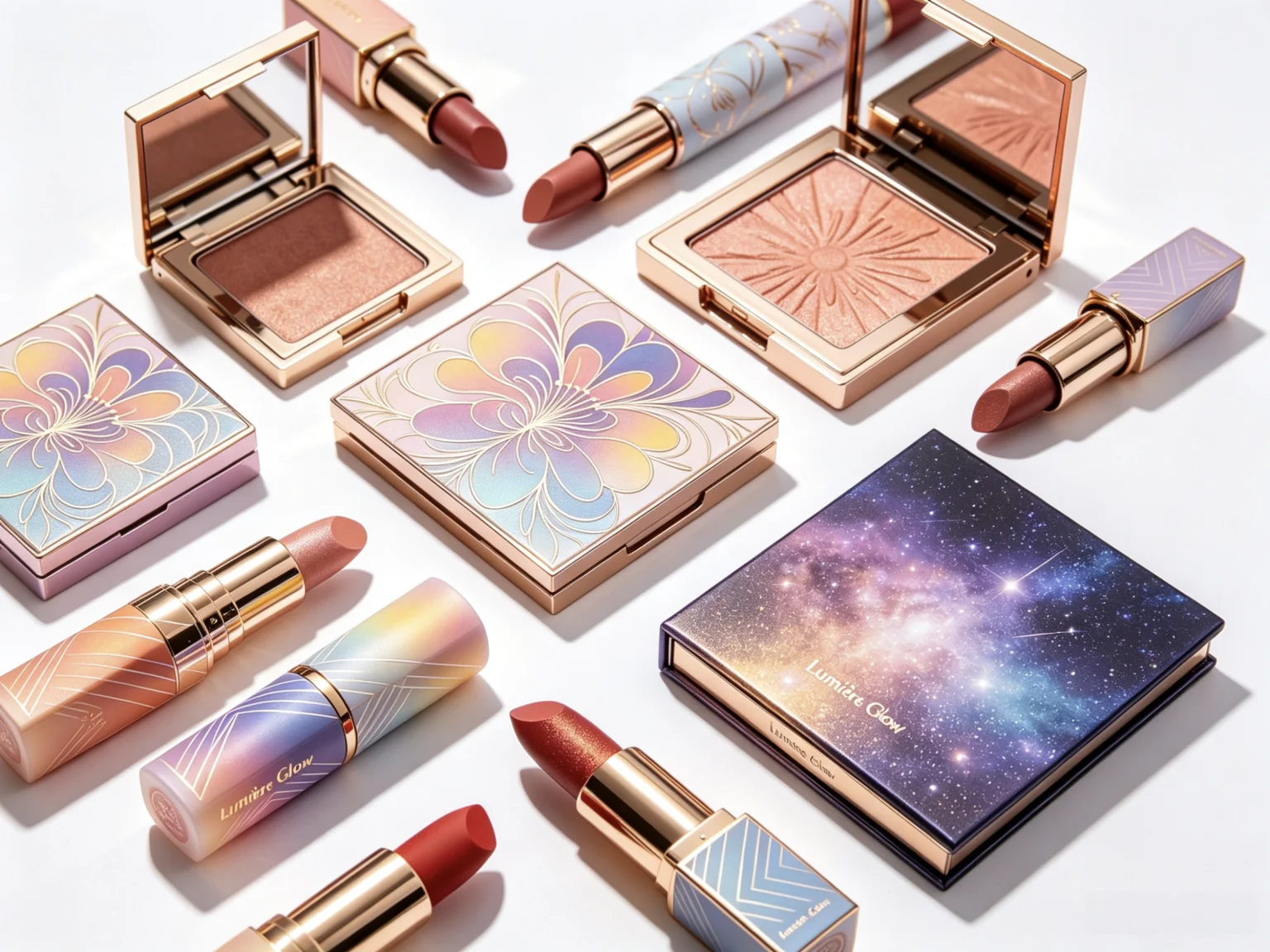
UV printing lets you print full-color graphics directly onto wood while preserving its natural grain. Lighter woods like maple, birch, or pine work best — they act almost like white paper, allowing colors to stay true to your design. Dark woods like walnut are trickier: colors can appear muted. The solution is laying down a white ink base layer first, which blocks the dark wood color and gives you a bright, full-color image.
Common applications include wall art, custom signage, wooden packaging, menu boards, plaques, photo panels, personalized gifts, coasters, and QR slates.
Metal
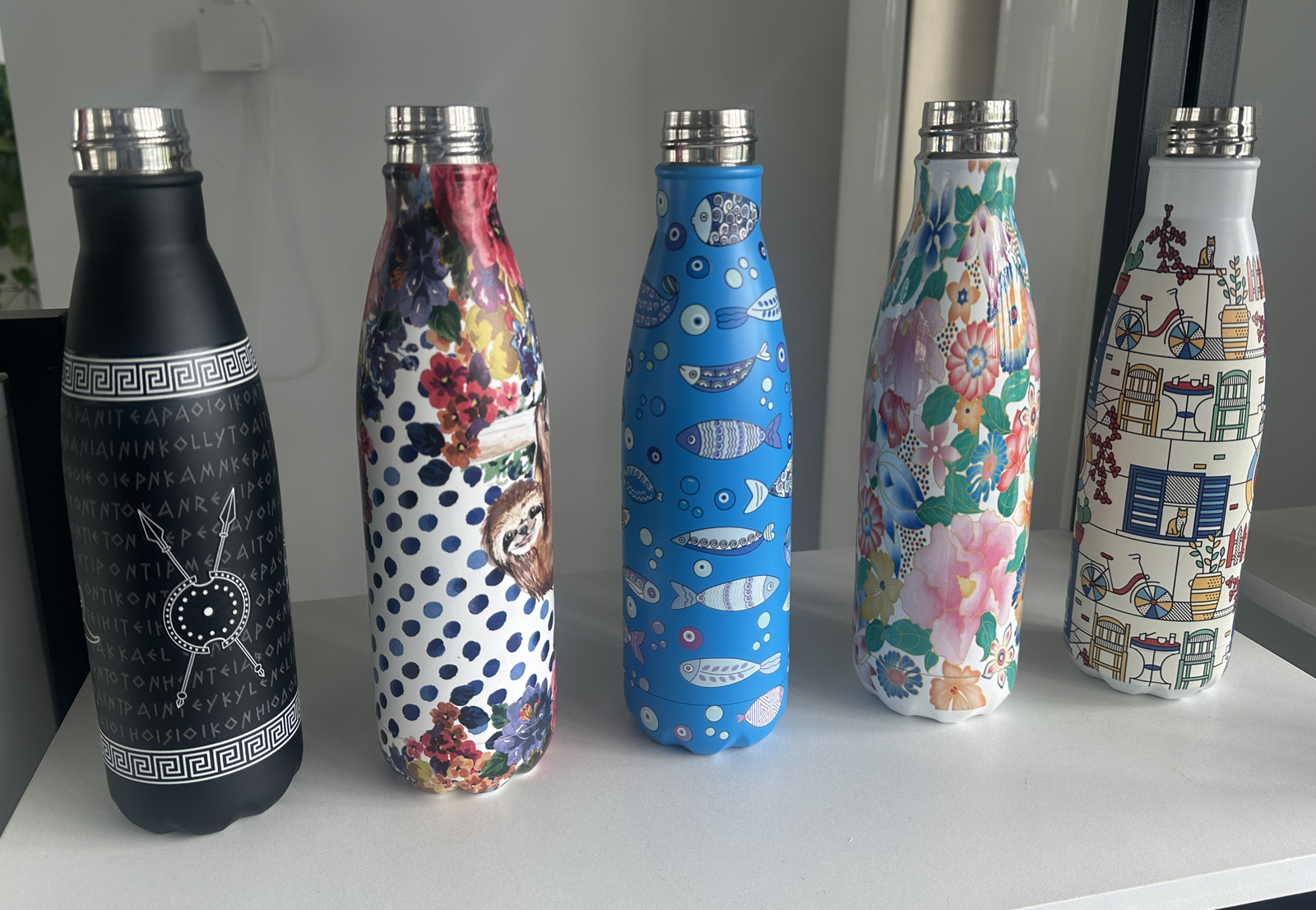
Metal is rigid, non-porous, and built for long-term use. UV printing adds colorful, detailed designs directly onto metal surfaces. Matte or brushed aluminum and uncoated steel typically accept UV printing readily. However, since metals are slippery, a primer may be needed to ensure proper ink adhesion.
Applications include industrial nameplates, asset tags, control panel labels, safety signage, and serial plates. On the premium side: matte metal business cards, tumblers, flasks, key chains, metal phone backs, laptop covers, and custom badges.
Glass
Yes, you can print directly on glass with a UV printer. However, permanent adhesion requires a primer — without it, the ink may look fine at first but can scratch off easily. For bottles and cylindrical glass objects, you’ll need a UV printer with a rotary axis unit.
Plastic & Other Rigid Materials
UV printing works on a wide range of plastics, including ABS, PC, PE, PET, PMMA, PP, PS, and PVC. This makes it ideal for caps and closures, product packaging, and promotional items.
Quick Reference List
Here’s a scannable list of materials that UV printers can handle:
| Material | Applications |
|---|---|
| Acrylic (PMMA) | Signage, displays, photo panels, awards, key chains |
| Wood | Wall art, signage, packaging, coasters, personalized gifts |
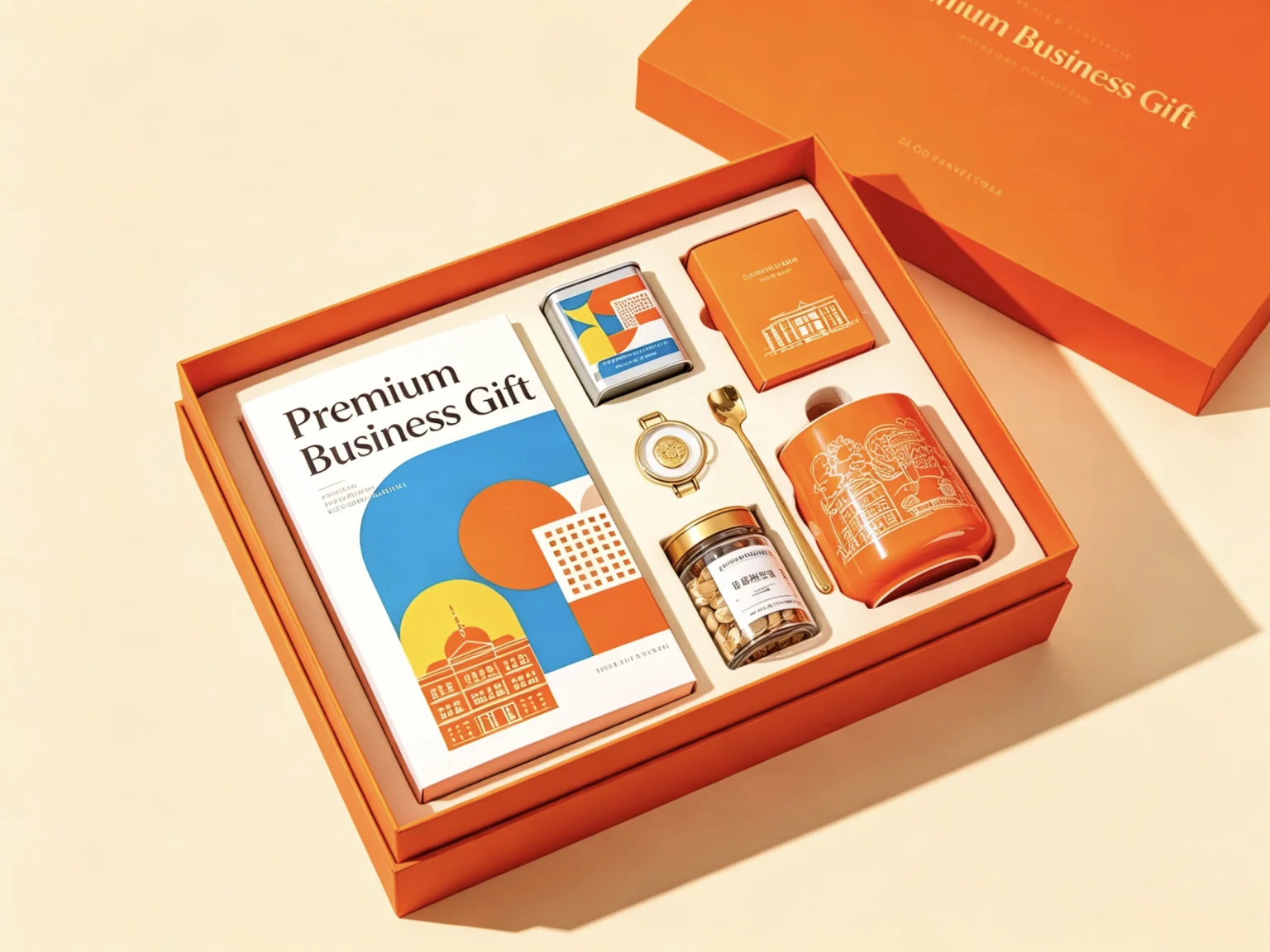
| Metal | Nameplates, labels, business cards, tumblers, badges |
| Glass | Bottles, drinkware, decorative glass panels |
| Plastic (ABS, PC, PE, PET, PP, PS, PVC) | Packaging, caps, promotional items, phone cases |
| Ceramic | Mugs, plates, tiles, decorative items |
| Leather | Custom accessories, wallets, journals |
| Cardboard / Paper | Custom packaging, boxes, displays |
| Fabric | Textile printing (on treated or coated fabrics) |
| 3D Objects | Pens, golf balls, phone cases, promotional products, personalized gifts |
Important Considerations
Surface Cleaning
Many materials carry invisible oils that lower adhesion. Wipe the surface with isopropyl alcohol (>90% concentration) before printing.
Primers
Some surfaces are simply too smooth or chemically resistant for ink to grip — glass, polished metals, certain plastics, and glazed ceramics fall into this category. A primer acts as a chemical bridge and makes printing not just possible but durable.
Heat Sensitivity
UV printing is considered a low-heat process, but not heat-free. Very thin plastic films (around 1mm) can warp if settings are too aggressive.
Food Safety
Generally, UV inks are not certified as food-safe. Printing is limited to exterior surfaces only on drinkware or foodware — plates, mugs, bottles, and tumblers can be printed on, but not on areas that come into direct contact with food or liquid.
What About Your Bottles?
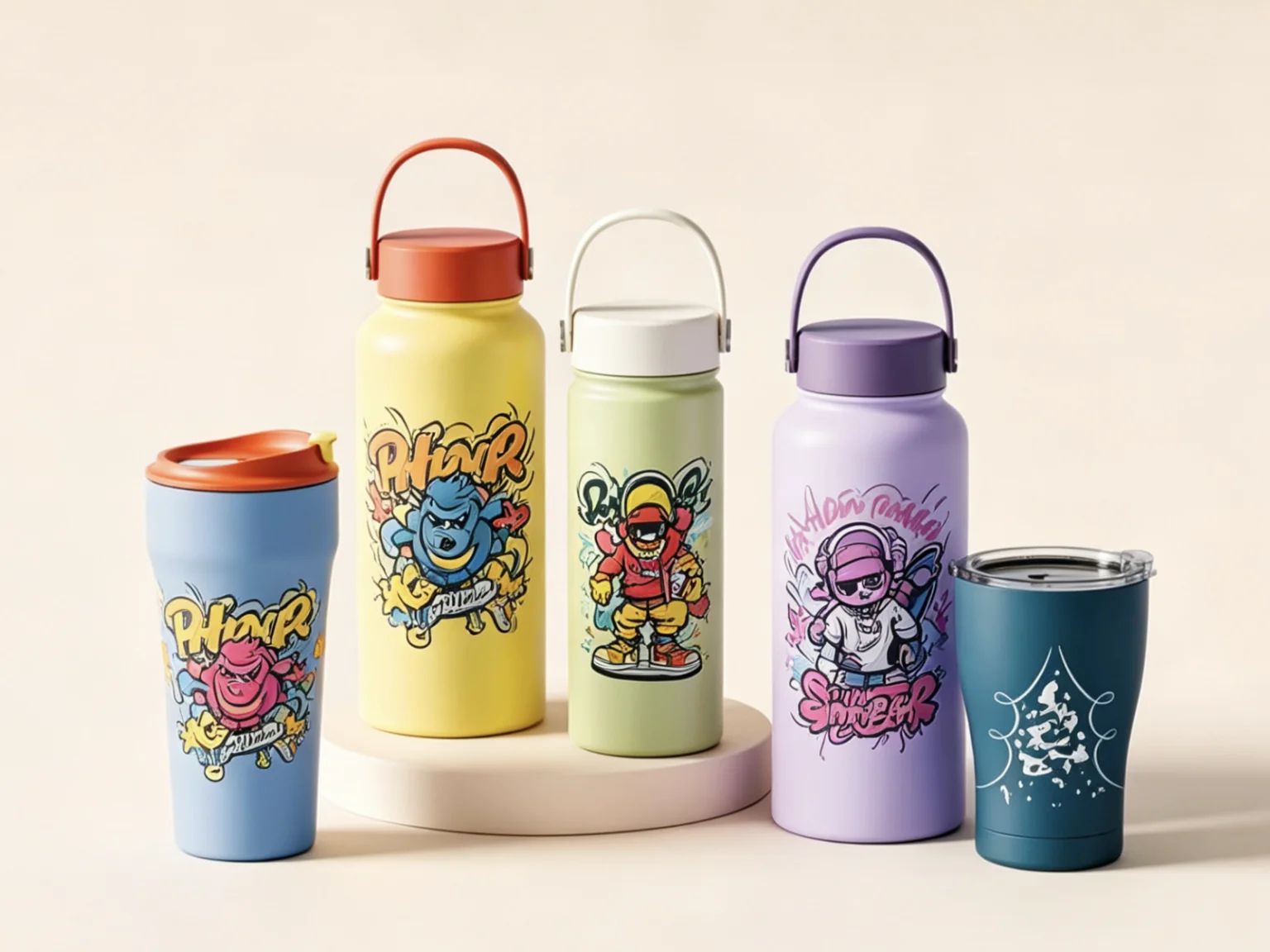
If you’re in the bottle decoration business — which we assume you are — here’s the good news: UV printing works beautifully on glass and plastic bottles. With a printer equipped with a rotary axis unit, you can achieve seamless 360° full-color decoration.
Whether you’re printing wine bottles, cosmetic containers, beverage packaging, or custom promotional drinkware, UV printing delivers the quality and durability your products need.
Ready to Explore What’s Possible?
We don’t just sell machines — we help you find the right solution for your specific materials and applications. Tell us what you’re printing today, and we’ll recommend the setup that fits your needs.
Contact us and tell us what you’re printing. We’ll respond with a practical assessment within 24 hours.