UV Printing Materials Guide for Beginners
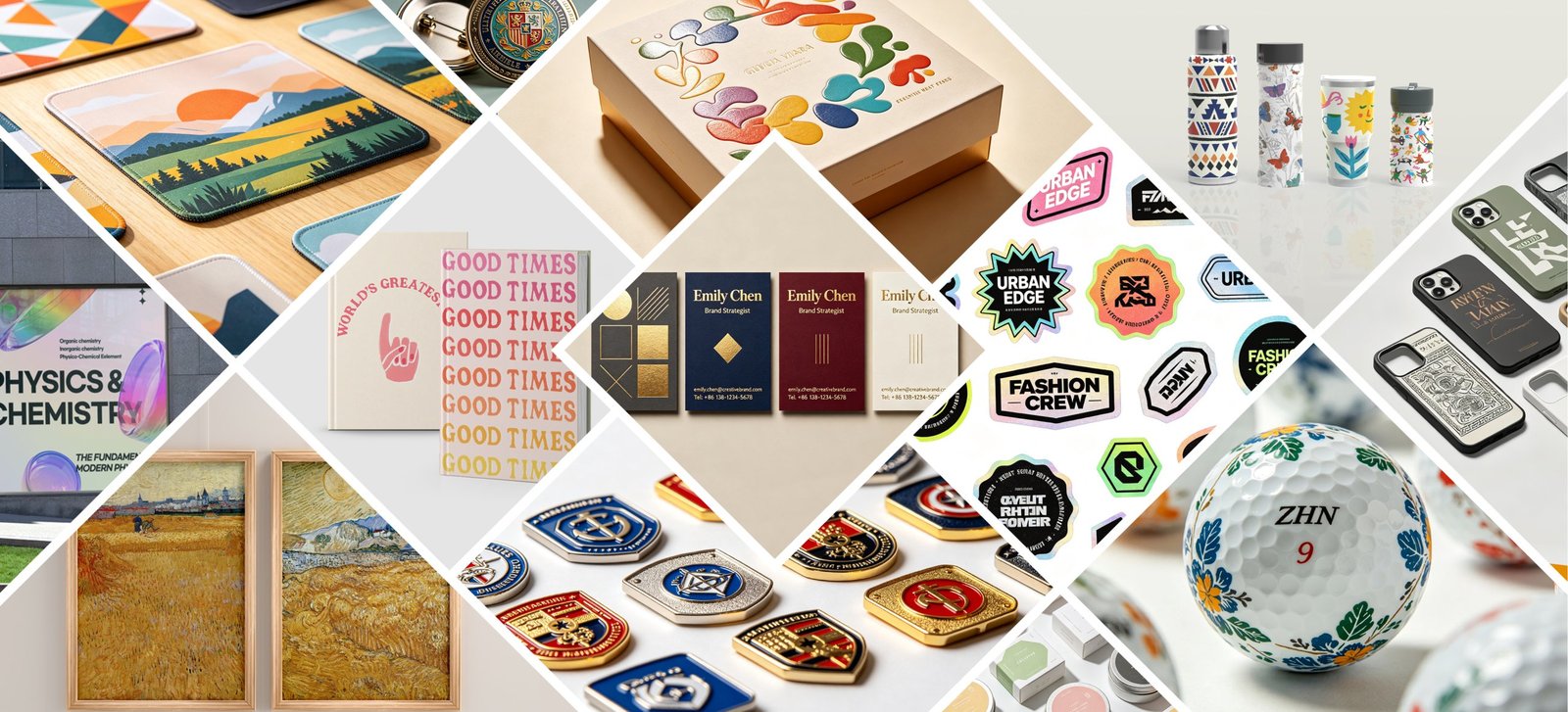
This UV printingmaterials guide ranks substrates by ease of use. UV printing works on many materials, but some are easier than others. Beginners should start with forgiving substrates to build confidence and consistency. This guide ranks materials by ease of use and offers practical tips.
Easiest: Acrylic
Acrylic is the gold standard for UV printing beginners. It’s rigid, lightweight, and has excellent ink adhesion. Colors appear vibrant and sharp. No special treatment is usually needed. Acrylic applications include signage, displays, photo panels, and awards. Second-surface printing (on the back of clear acrylic) creates stunning depth with minimal effort.
Easiest: Lighter Woods (Maple, Birch, Pine)
Light woods act almost like white paper. Colors stay true to your design. No white ink base is usually required. Applications include wall art, custom signage, photo panels, coasters, and wooden plaques. Simply clean the surface before printing.
Easy: Ceramic
Ceramic tiles and pottery accept UV ink readily. A simple cleaning is usually enough. Applications include custom tiles, coasters, mugs, and decorative items.
Easy: Matte or Brushed Aluminum
Uncoated or brushed aluminum accepts UV printing readily. The slightly textured surface helps ink grip. Applications include nameplates, business cards, and industrial labels. Shiny or polished aluminum may need a primer.
Medium: Plastics (ABS, PVC, Polycarbonate)
Most hard plastics print well with UV technology. Print quality depends on surface texture—smoother surfaces yield sharper results. Some plastics need light surface cleaning. Applications include enclosures, control panels, signs, and ID cards.
Medium: Glass
Glass printing requires more care. Adhesion depends on cleaning and sometimes primer application. White ink is essential for opaque colors on transparent glass. Results are excellent for bottles, decorative panels, and awards when prepared properly.
Challenging: Dark Woods (Walnut, Mahogany)
Dark woods mute colors because the dark background absorbs light. A white ink base layer is required to block the dark wood and produce bright, full-color images. This adds an extra step but delivers professional results.
Challenging: PP, PE, and Flexible Plastics
PP and PE plastics are chemically inert and low-energy surfaces. UV ink struggles to adhere without primer or pre-treatment. For flexible plastics, use flexible UV ink to prevent cracking. These materials are challenging but printable with the right approach.
Challenging: Silicone
Silicone has very low surface energy and repels ink. Mold-release agents on silicone surfaces also interfere with adhesion. Special primer and flexible UV ink are required for successful printing. Over-curing makes silicone prints brittle—adjust UV intensity carefully.
Beginner’s Advice
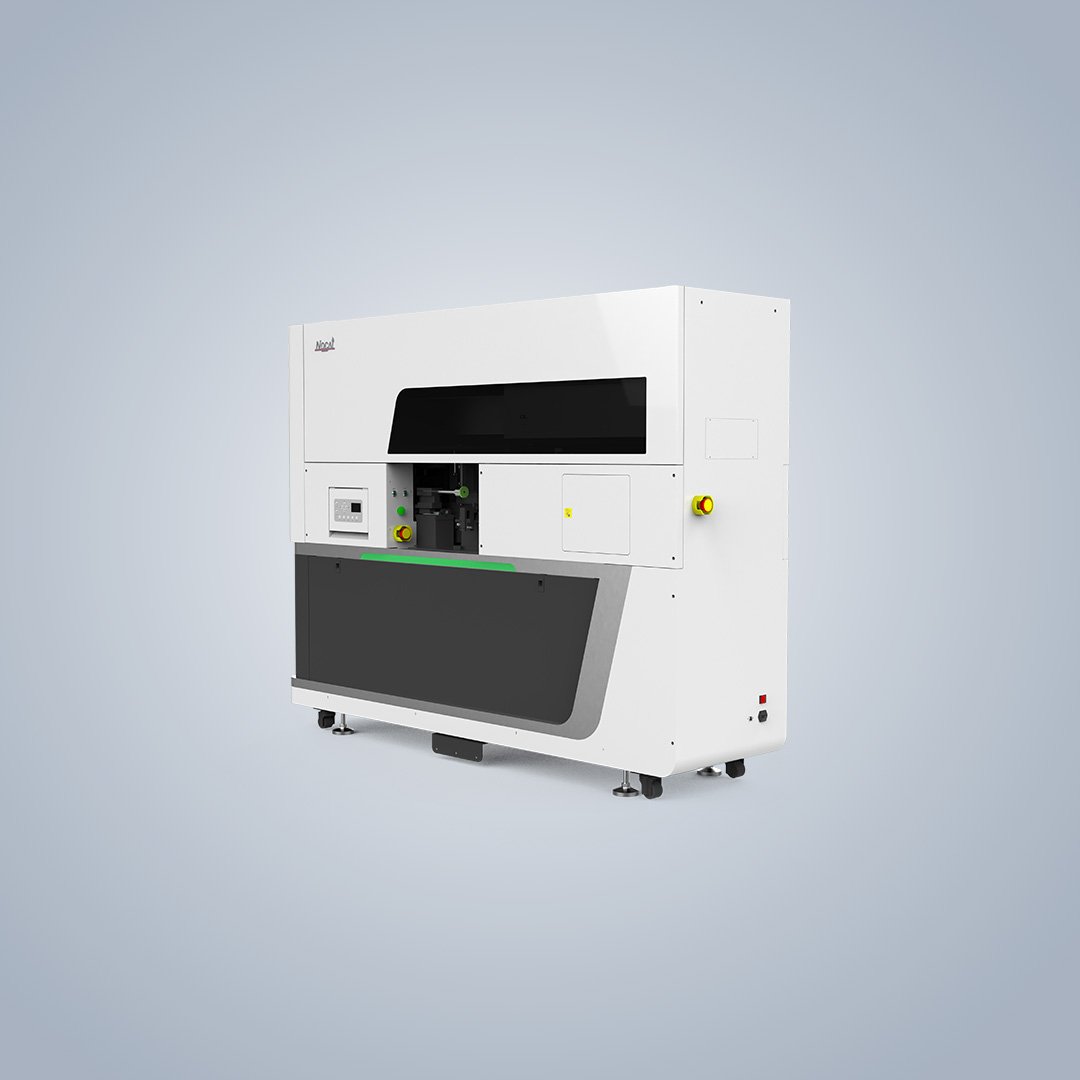
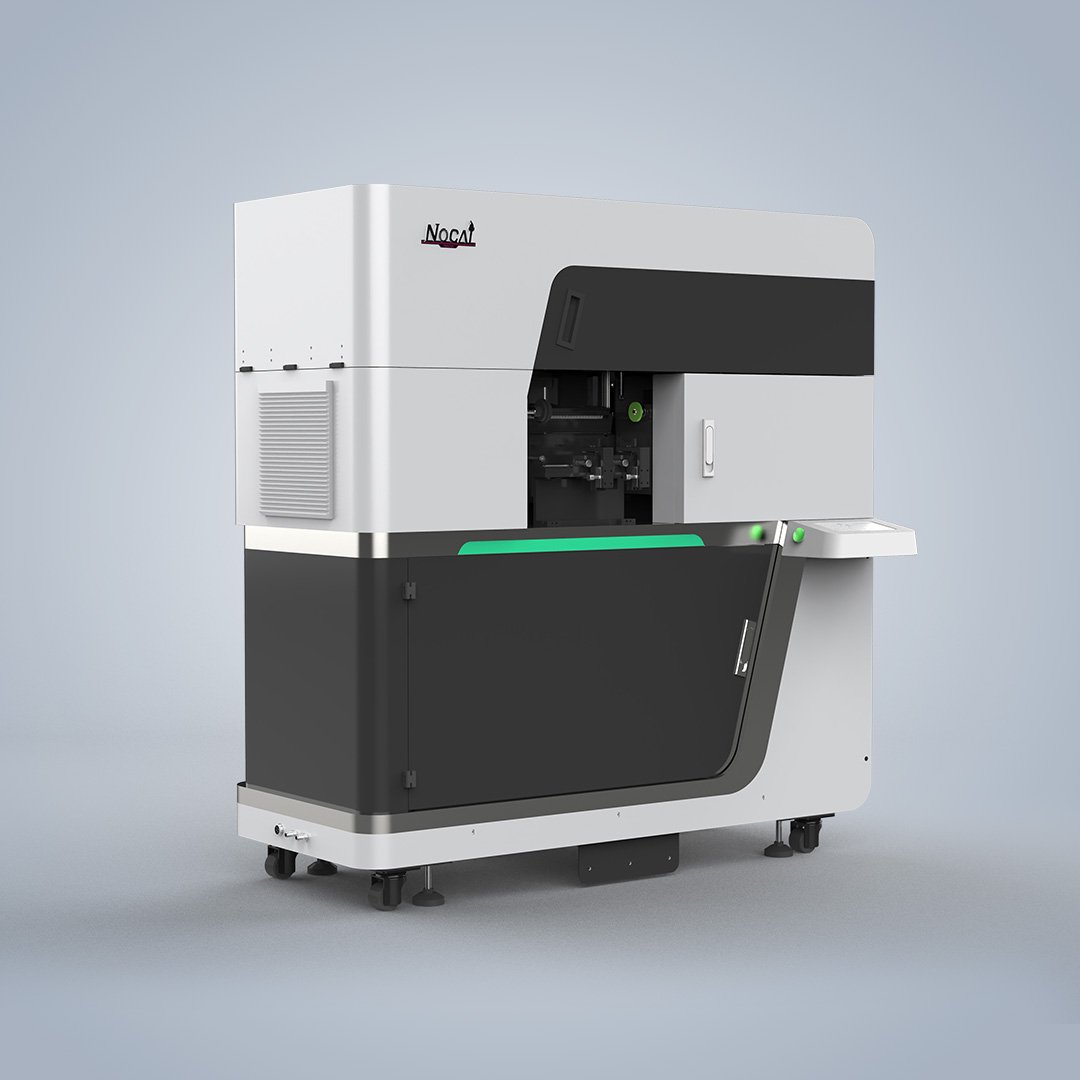
Start with acrylic or light wood. Master your printer’s settings on easy materials. Then gradually tackle more challenging substrates. A versatile high-speed cylindrical UV printer handles all these materials with proper settings. Working with a professional UV printer supplier ensures you get the right ink and primer recommendations for your target materials. Industrial UV printing solutions often include material compatibility testing as part of the service package. Keep this UV printing materials guide handy as you expand your material range.