Custom Drinkware Printing Business – A Practical Guide for 2026
Introduction
Custom drinkware is one of the few product categories where personalization still commands a premium. A blank stainless steel tumbler costs a few dollars. The same tumbler with a custom design can sell for $25 or more. This margin gap is why so many small businesses are entering the custom drinkware printing business. But the opportunity is not equally distributed. The businesses that succeed are the ones that understand their production costs, their target customers, and the equipment that fits their volume.
Where the Demand Comes From
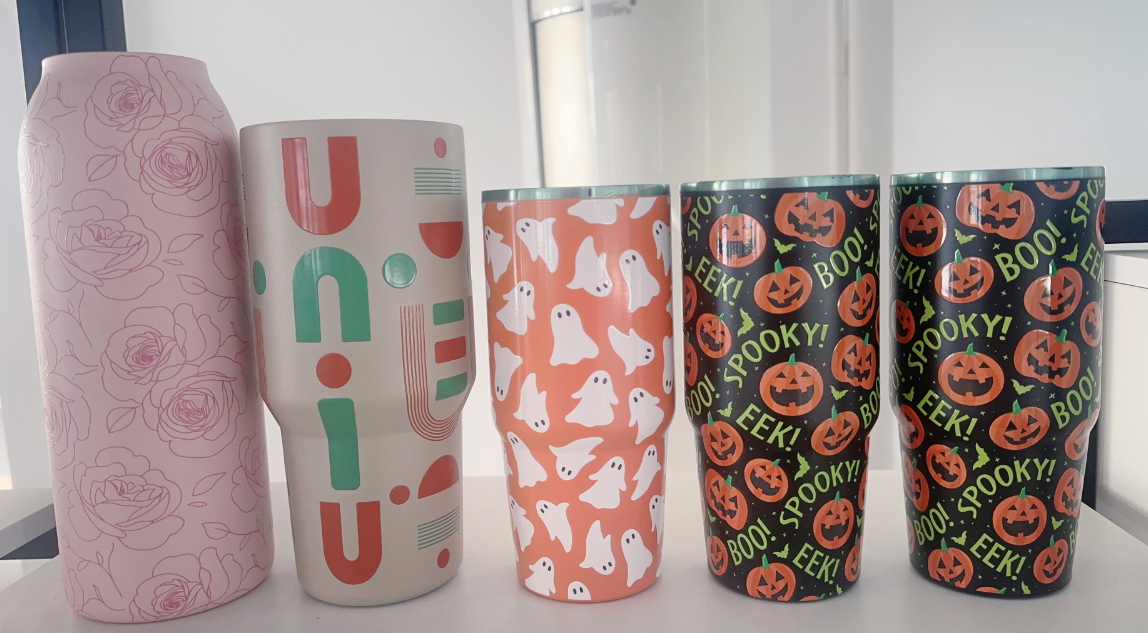
Three customer segments drive most of the demand. Corporate clients order branded tumblers for employee gifts, client appreciation, and trade shows. This segment values consistency and deadline reliability more than price. Retail and e-commerce sellers want limited-edition designs and seasonal drops. They need fast changeovers and low minimums. And individual consumers buy personalized gifts for weddings, birthdays, and anniversaries. They are willing to pay a premium for one-off designs. A cylinder printer that handles short runs without setup costs serves all three segments.
The Cost Structure That Makes It Work
The economics of custom drinkware printing are attractive because the main cost is labor, not materials. A blank tumbler is inexpensive. The ink cost per piece is typically under $0.50 for a full-wrap design. The real cost is the time it takes to load, print, and unload each cup. A machine that prints a 360° design in 30 to 60 seconds changes the math. At that speed, a single operator can produce several hundred pieces per day. The fixed costs—rent, equipment depreciation, and software—are spread across more units. That is how margins reach 25–55% in this category.
What Equipment Actually Matters
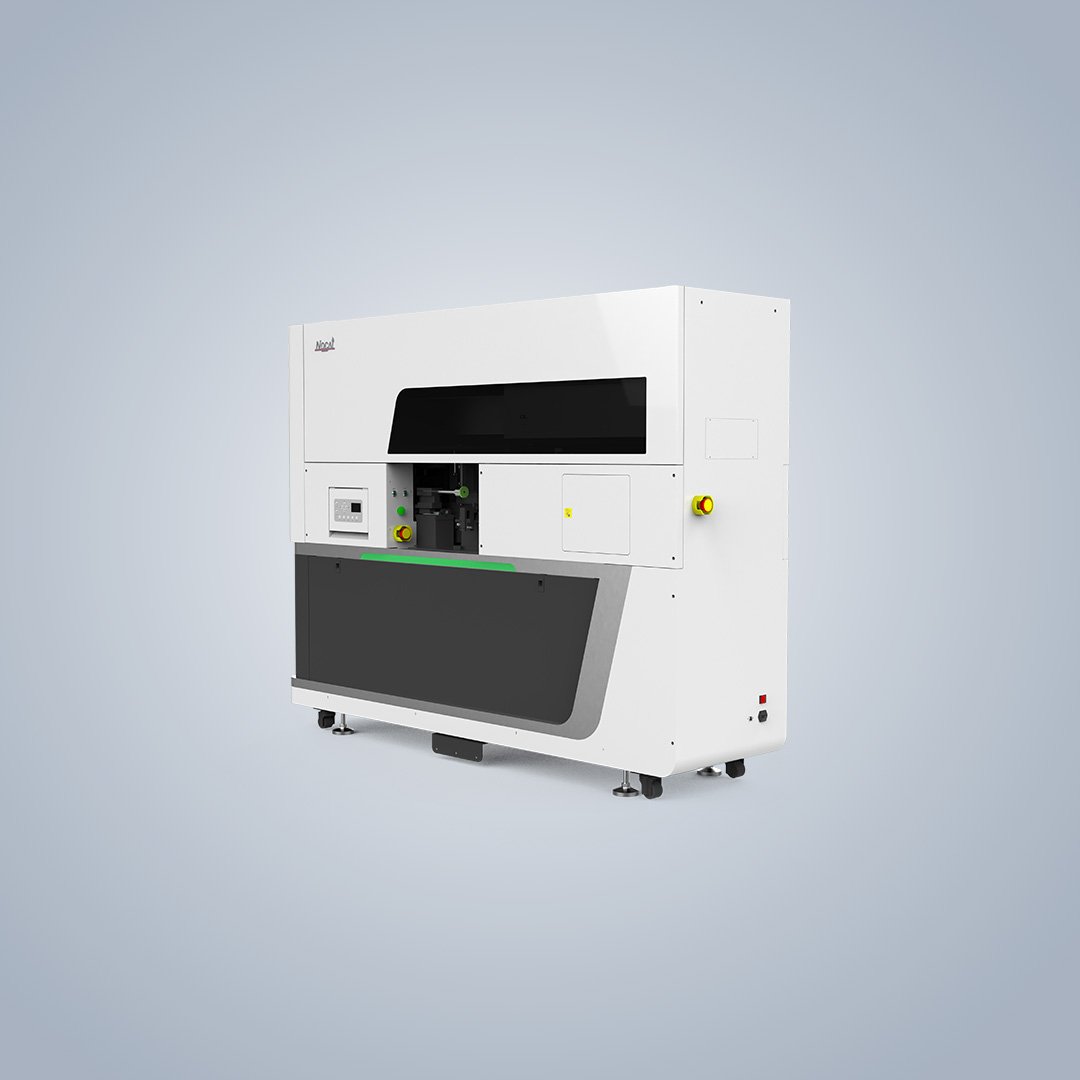
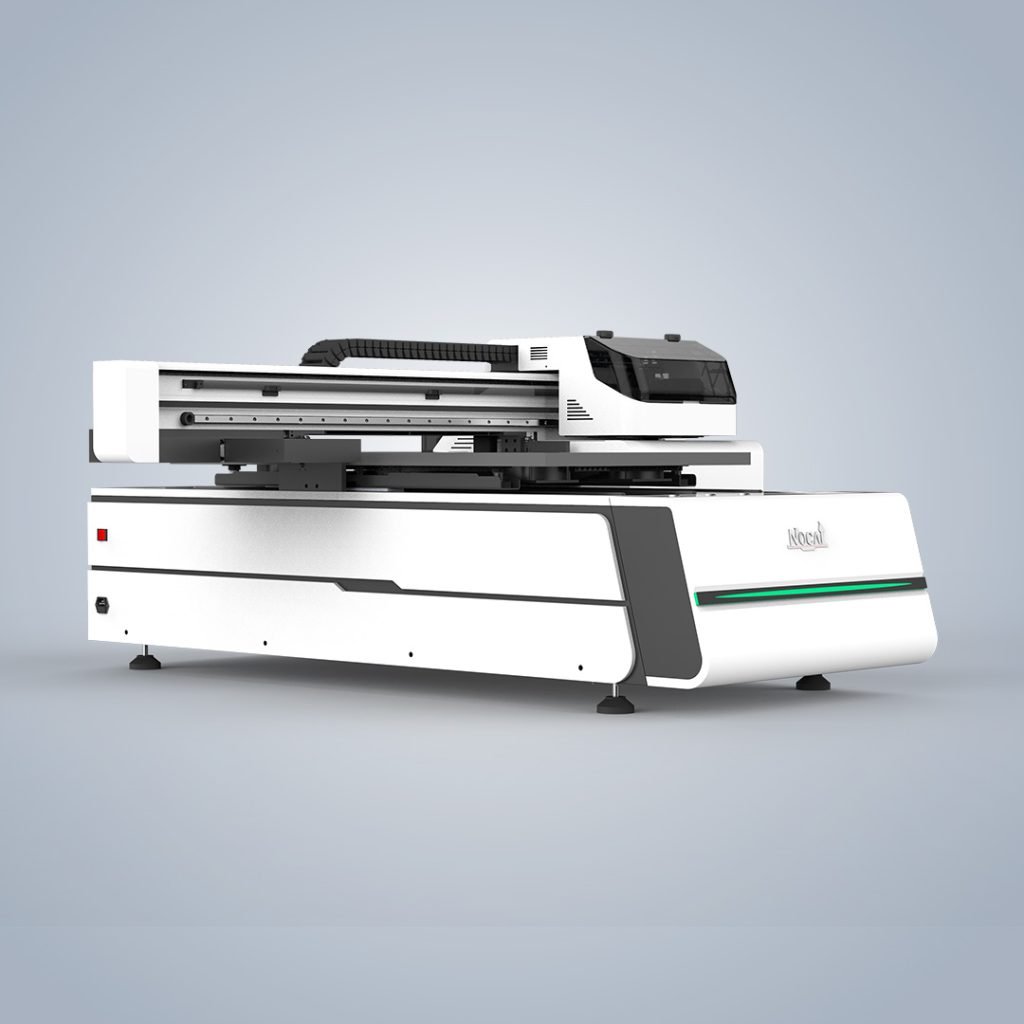
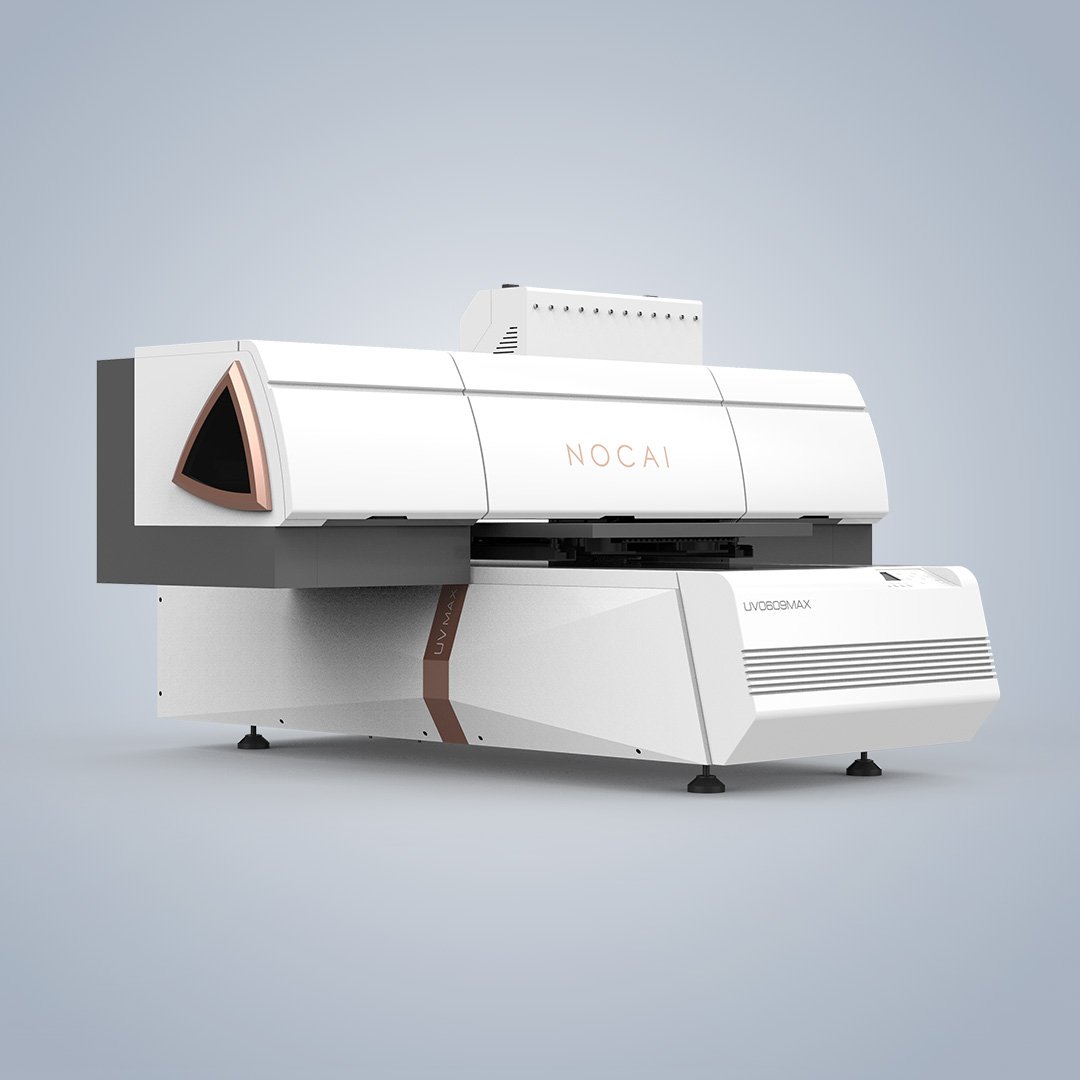
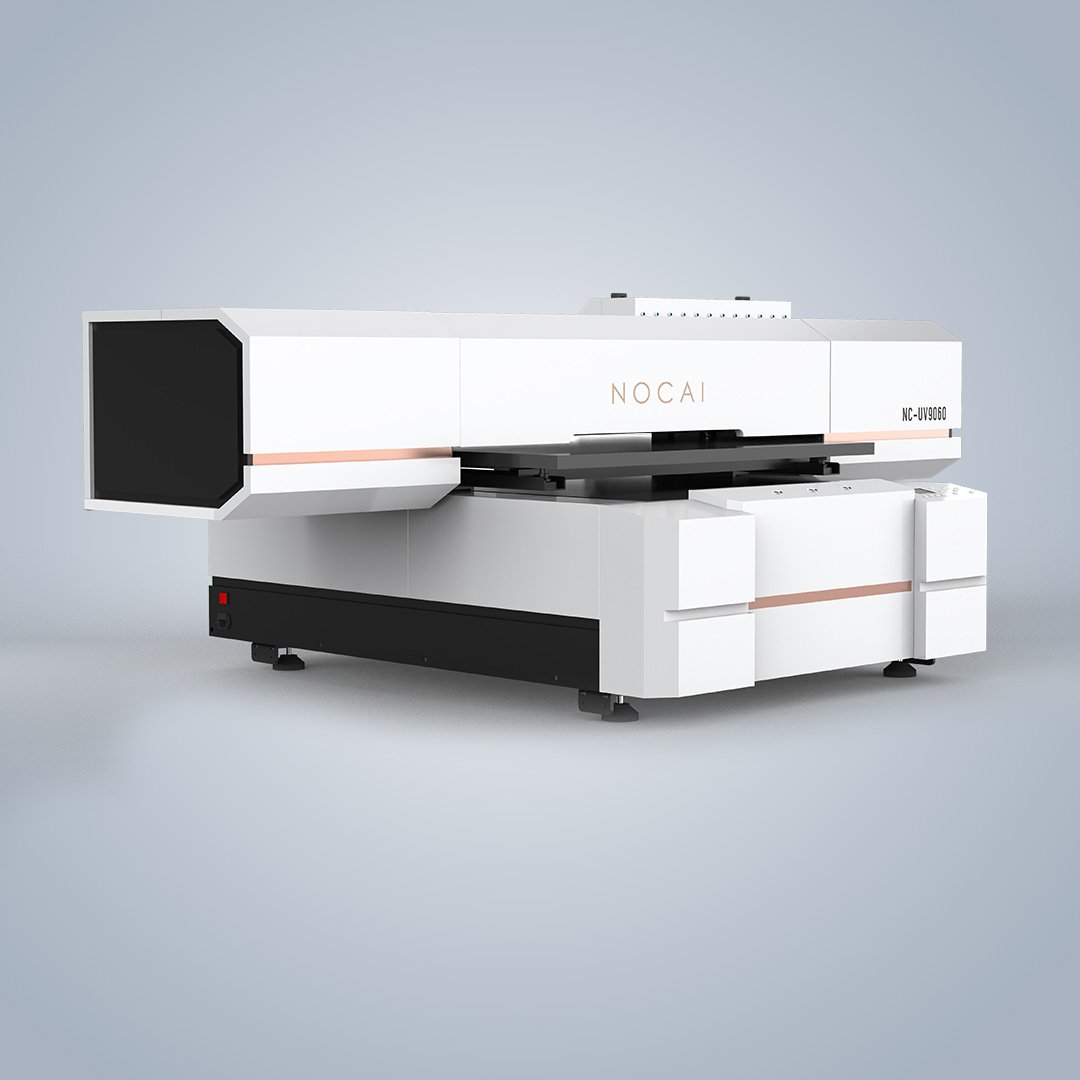
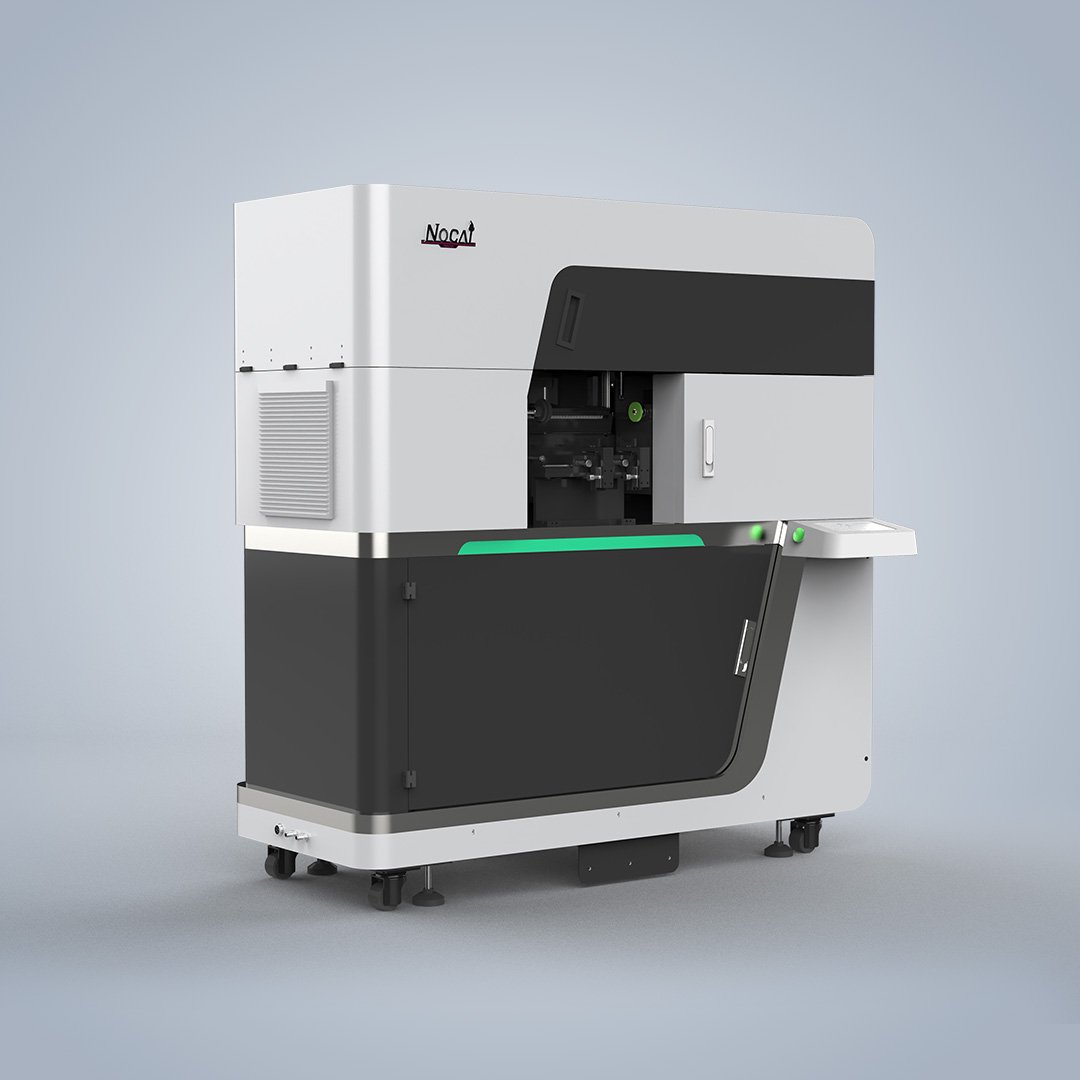
For a small business entering this market, the equipment decision comes down to three things: speed, material compatibility, and ease of setup. Speed determines your daily capacity. Material compatibility determines which customers you can serve. Ease of setup determines how much you pay for skilled labor. A UV printer for cups with a rotary attachment handles the widest range of products. If you plan to print on stainless steel, make sure the machine supports primer application or has an inline pretreatment option. For glass and ceramics, white ink capability is essential. For plastic cups, check that the ink system can handle low-surface-energy substrates.
A Real-World Reference
One example from the promotional products industry: The Fanatic Group, a US-based supplier, upgraded to a UV-LED cylindrical printing system and doubled its production capacity. The company reported that the new equipment allowed it to handle more orders and repeat business without adding staff. This is not an isolated case. As customization demand grows, the bottleneck for most print shops is no longer customer acquisition—it is production throughput. Investing in the right custom drinkware printing equipment is how you remove that bottleneck.
Getting Started Without Overcommitting
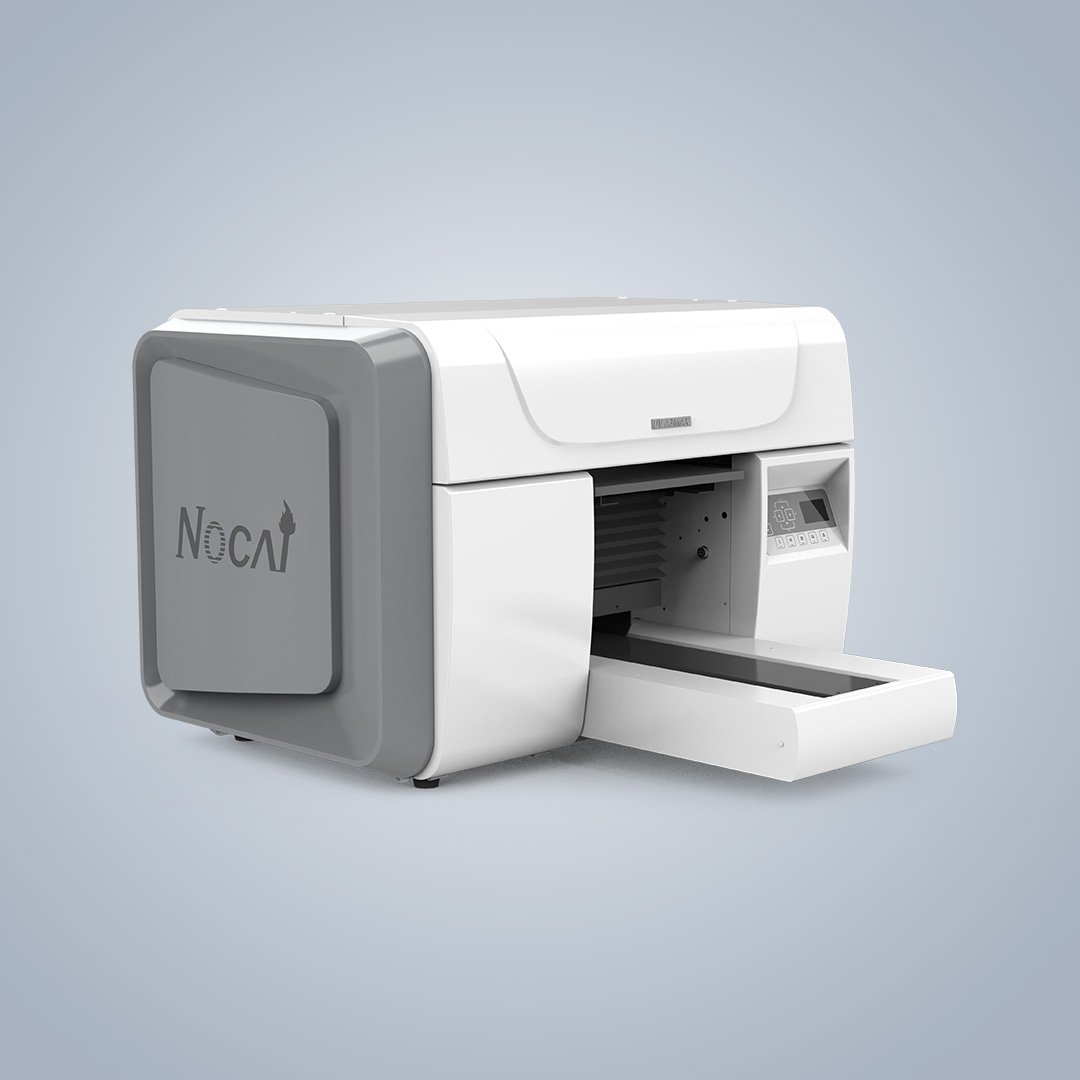
You do not need a large industrial machine to test the market. Entry-level cylinder printers are available at accessible price points. Start with a small machine, master the workflow on a few cup types, and build a customer base. Once your order volume justifies it, upgrade to a faster model with more automation. The key is to start, learn, and reinvest. The custom drinkware market rewards operators who can deliver consistent quality on short notice. That is a skill, not just a machine.