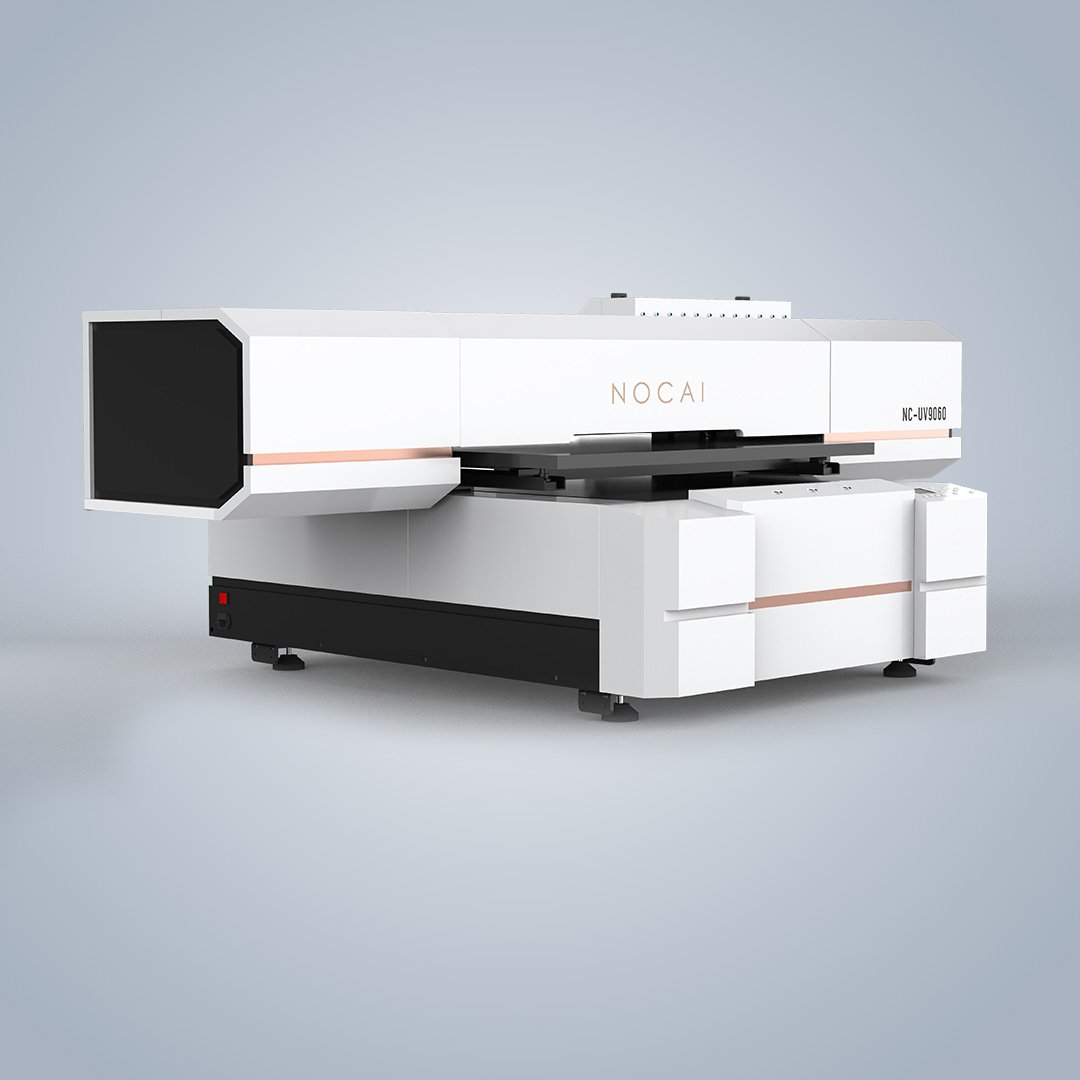
Desktop vs Industrial Cylinder Printer – How to Choose
Introduction
The choice between a desktop vs industrial cylinder printer comes down to production scale. If you are shopping for a cylinder printer, you will quickly notice two broad categories: desktop models and industrial models. Both print on cylindrical objects. Both use UV-curable ink. But they serve different production scales, and choosing the wrong one costs you money. This guide breaks down the differences so you can match the machine to your business.
Desktop Cylinder Printers
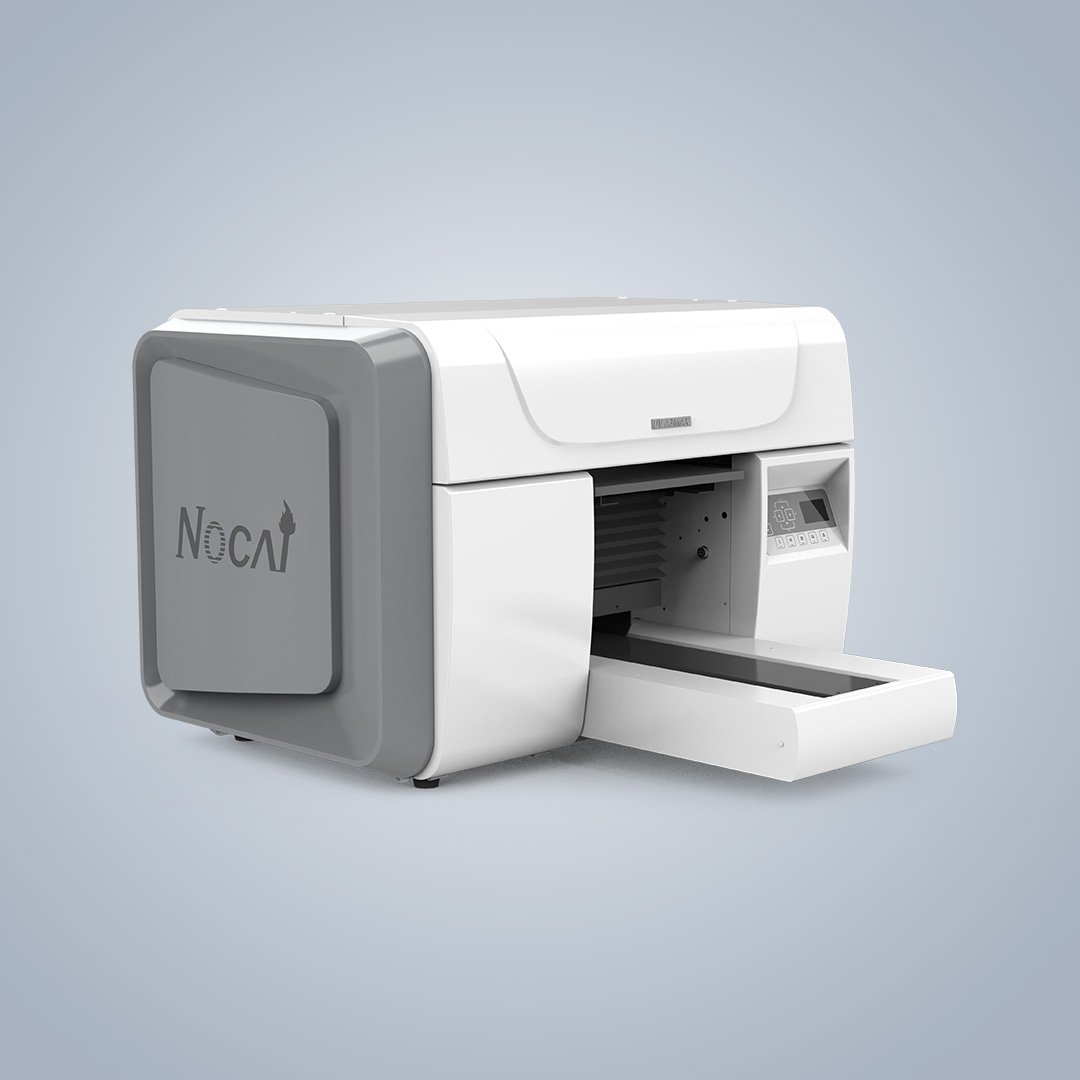
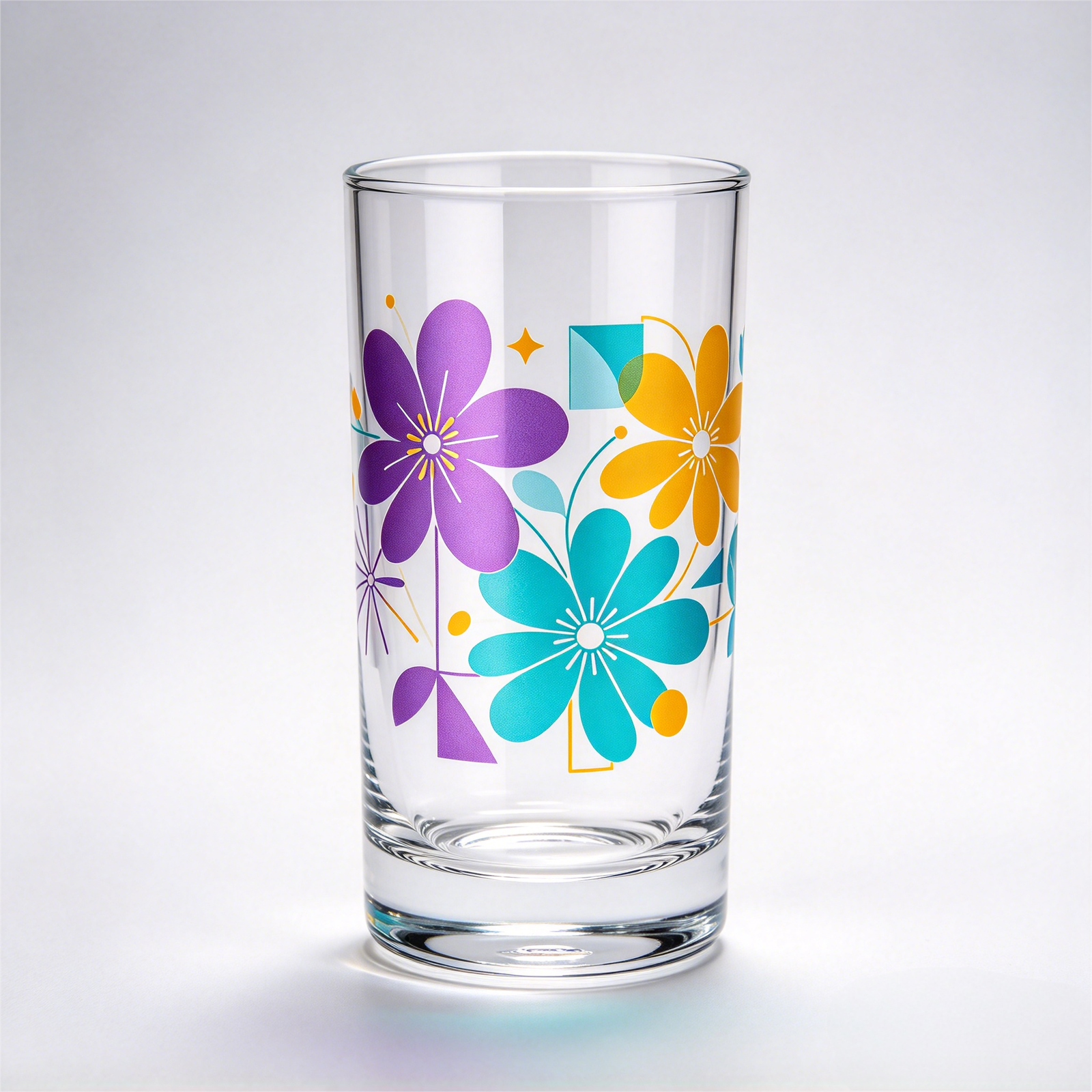
Desktop models are compact, affordable, and easy to set up. They fit on a workbench and plug into a standard outlet. Print speeds are slower, often several minutes per cup for a full-wrap design. They are ideal for startups, gift shops, and businesses testing the market. A desktop UV printer for cups lets you learn the workflow without a large capital commitment. If your order volume grows, you can upgrade later.
Industrial Cylinder Printers
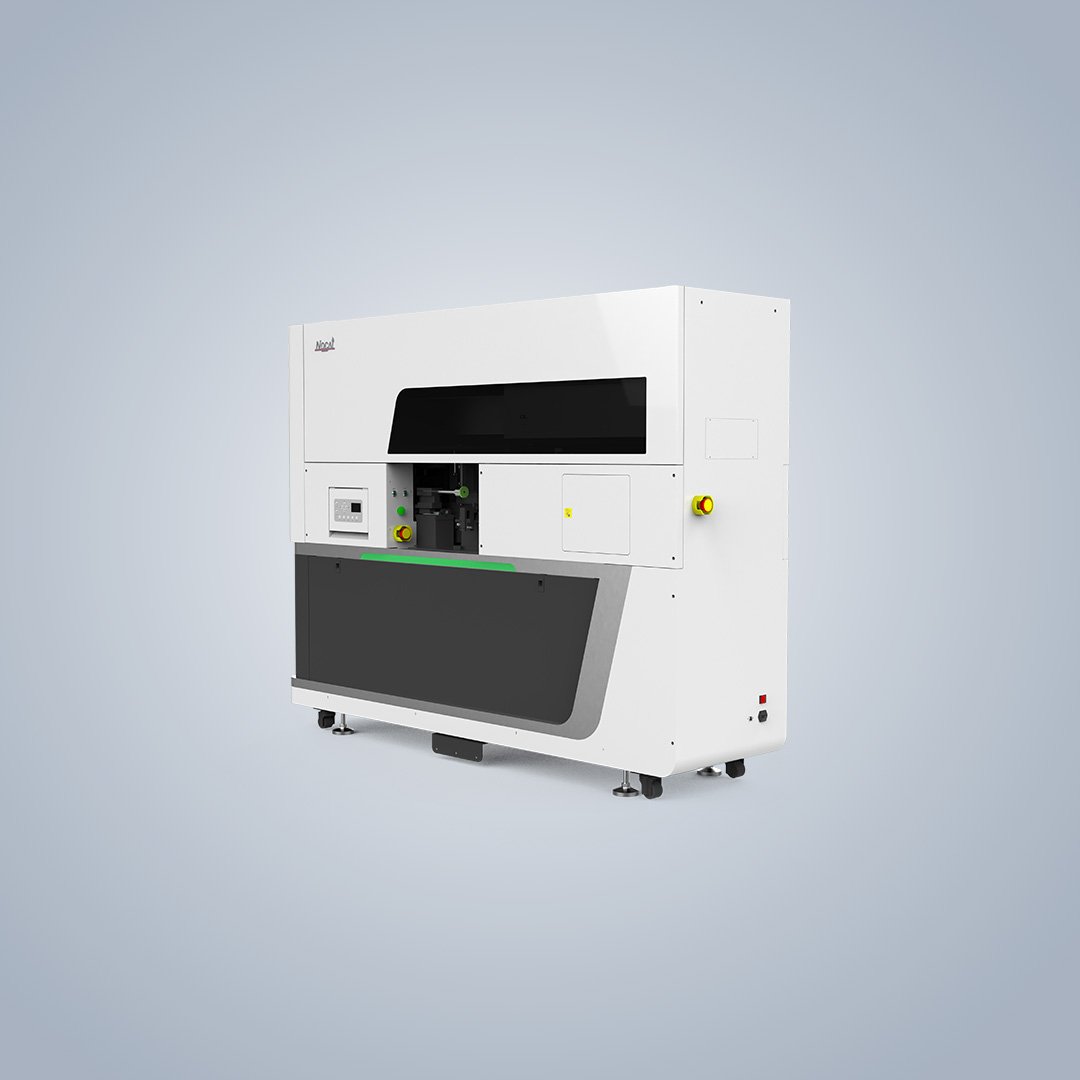
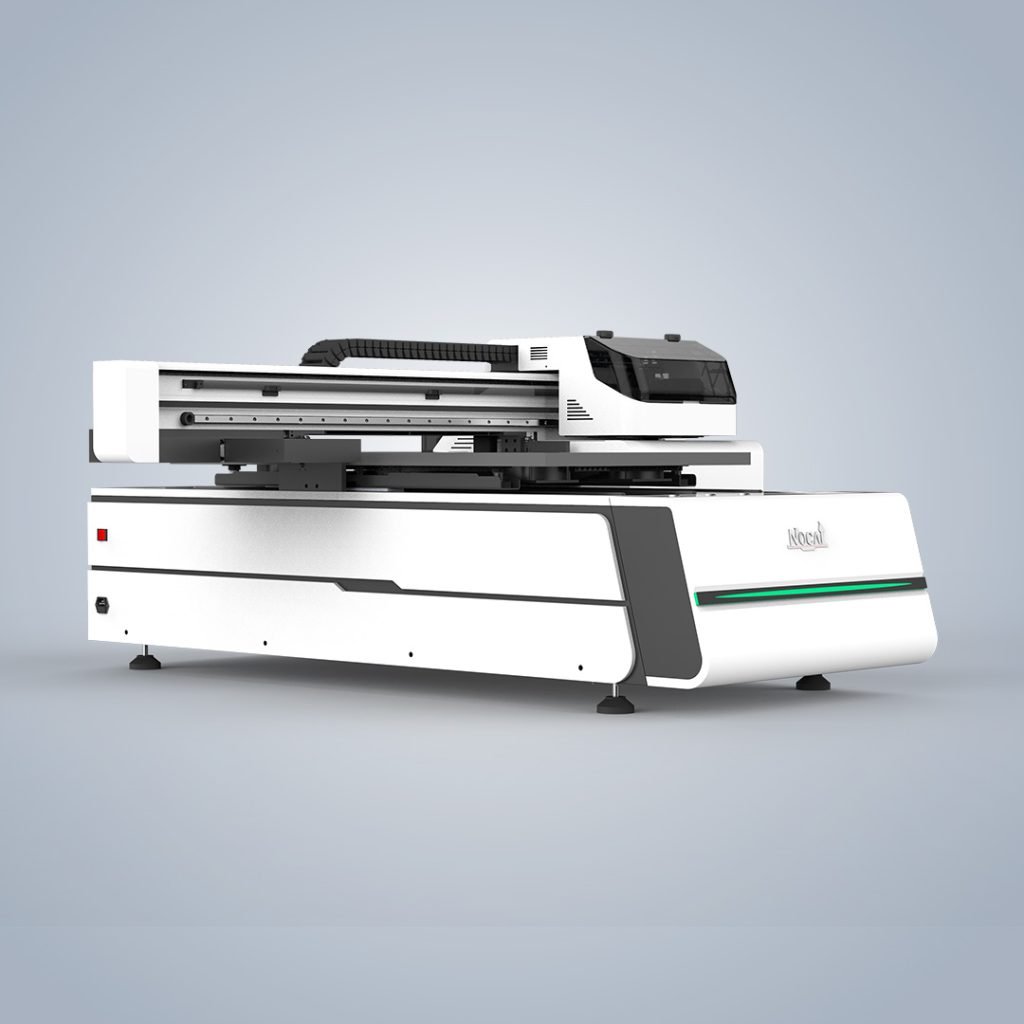
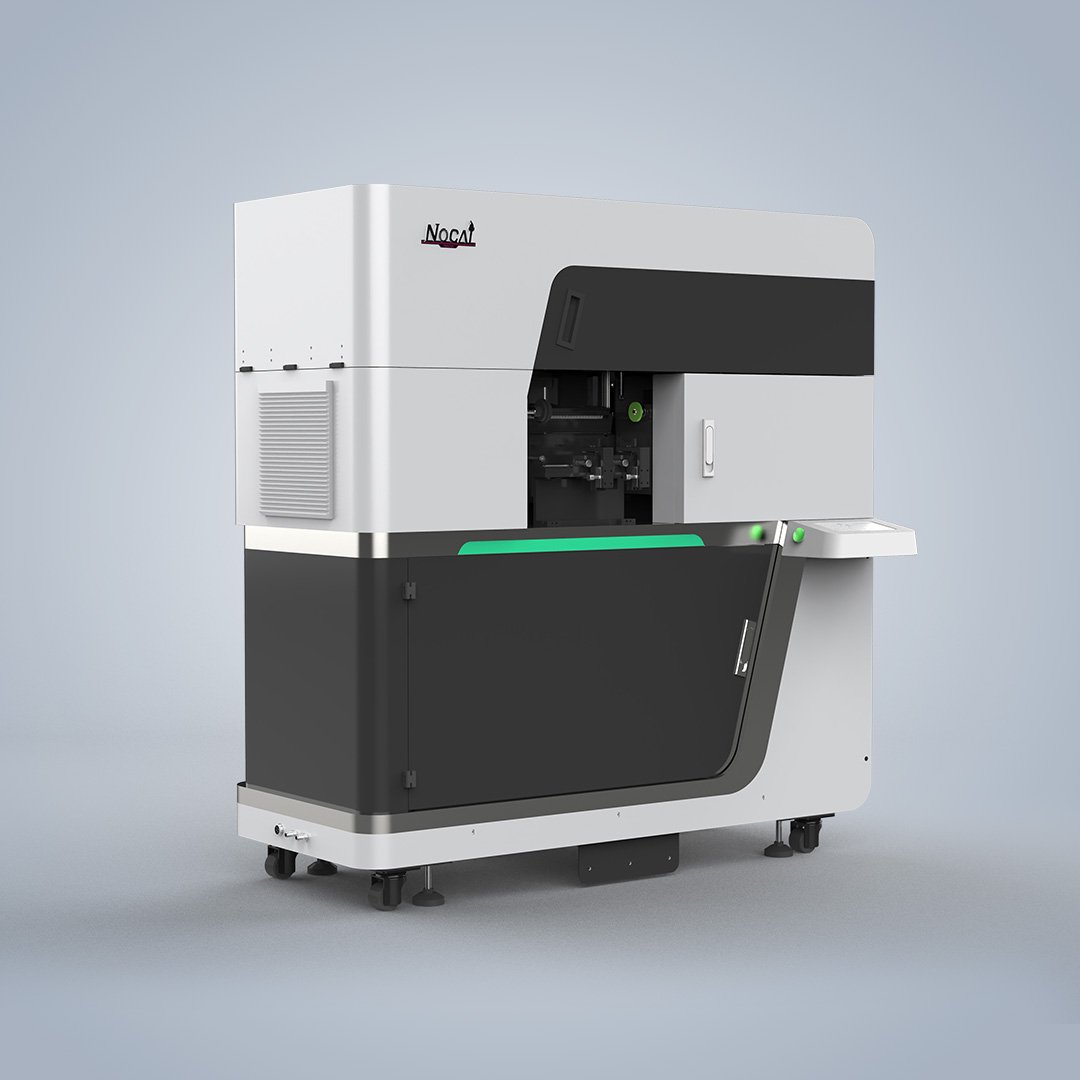
Industrial models are built for continuous production. They use heavier frames, more powerful motors, and higher-throughput printhead configurations. Some models print a full 360° design in 30 to 60 seconds. They handle larger cup diameters and lengths, and they support automation options like robotic loading. An industrial cylindrical UV printer is the right choice when you have consistent order flow and need to maximize daily output.
Key Differences to Compare
Print speed determines your daily capacity. Print size range determines what products you can accept. Printhead configuration affects both speed and print quality. Fixture quality affects setup time and print consistency. Maintenance requirements affect downtime. Industrial machines cost more upfront but deliver lower cost per piece at volume. Desktop machines cost less but have lower throughput.Understanding these differences helps you decide on a desktop vs industrial cylinder printer for your business.
A Middle Path
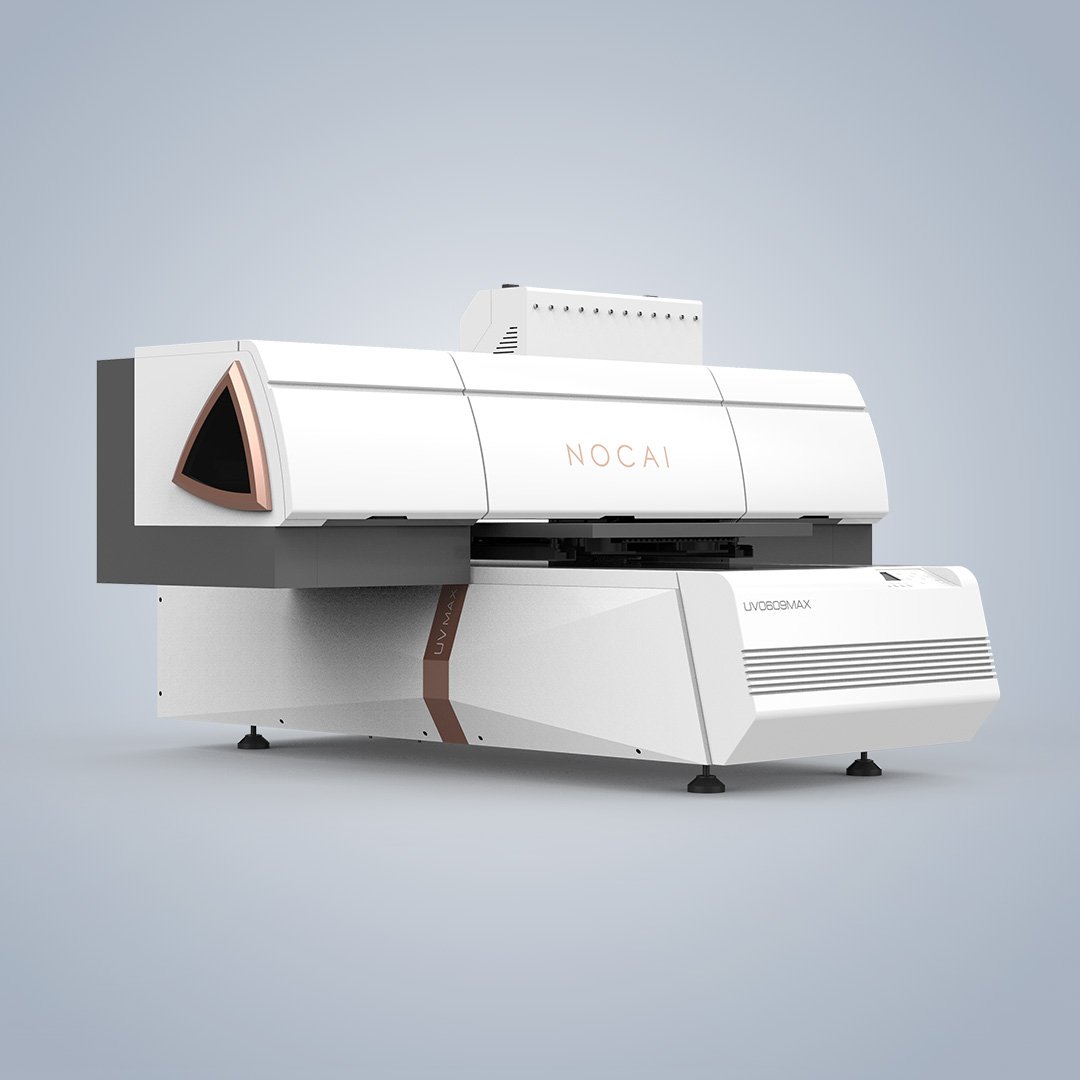
Some manufacturers offer mid-range models that bridge the gap. These machines are larger than desktop units but more affordable than full industrial systems. They often include features like automatic height adjustment, white ink circulation, and higher-resolution printheads. For a growing business, a mid-range cylinder printer can be the most practical choice.
What to Decide First
Before comparing machines, define your production target. How many cups per day do you need to print? What is your maximum cup size? What materials will you use most? The answers narrow your options quickly. If you are unsure, start with a desktop model and track your volume. When you consistently hit capacity, it is time to upgrade.