Bottle Printing vs Cup Printing – Key Differences
Introduction
Bottle printing vs cup printing starts with one key fact: both are cylindrical objects. It is tempting to assume the same printer handles both without any adjustment. In practice, the two product categories have different requirements. Understanding these differences helps you set realistic expectations and choose equipment that fits your actual production mix.
Bottle Printing vs Cup Printing – Shape and Geometry
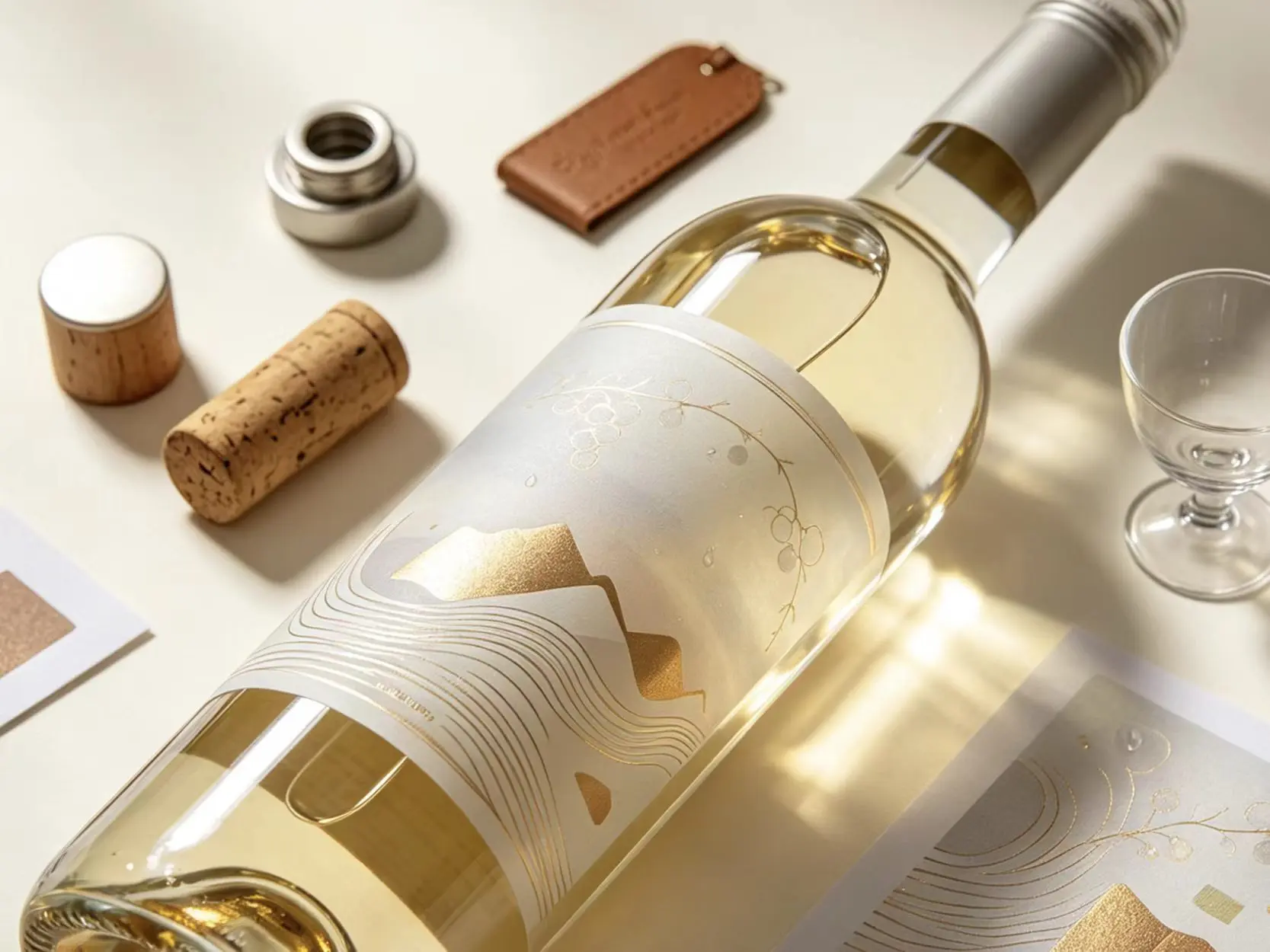
Cups are usually shorter and wider than bottles. A standard tumbler might be 80mm to 180mm tall with a diameter of 70mm to 90mm. Wine bottles and spirit bottles are taller and narrower, often 250mm to 300mm in height with a diameter of 60mm to 80mm. The print length range matters more for bottles. Some machines handle up to 280mm or 300mm, which covers most bottles but may not fit taller formats.
Handles and Taper
Cups often have handles. A handled mug requires a fixture that positions the handle away from the print zone. Without proper fixturing, the printhead can strike the handle or print over it. Bottles rarely have handles, so the rotation path is clean. However, bottles often have tapered necks or shoulders. A conical bottle requires taper compensation to keep the printhead at the correct distance from the surface.
Material Mix
Cups are commonly made from ceramic, stainless steel, glass, and plastic. Bottles are predominantly glass, PET, and HDPE. Glass printing requires a primer or white ink underlayer for adhesion. PET bottles are lightweight and flexible, which can affect print quality if the bottle deforms during rotation. Stainless steel cups accept UV ink well but may need surface preparation to remove manufacturing oils.
Fixtures and Changeover
Cups come in standard sizes. A set of rubber trays or adjustable mandrels usually covers most cup types. Bottles vary more widely in diameter and height. A shop that prints both cups and bottles needs a broader set of fixtures. Quick-change fixtures reduce downtime when switching between product types. If you print both categories daily, fixture design becomes a significant workflow factor.
Market and Application
Cups are associated with daily drinkware, promotional gifts, and retail merchandise. Bottles are associated with beverages, cosmetics, and premium packaging. The design requirements differ. Cup designs are often logo-focused or photo-personalized. Bottle designs emphasize brand identity, product information, and shelf appeal. Both markets value durability, but bottles often face more stringent wash and chemical resistance requirements.
Choosing the Right Machine
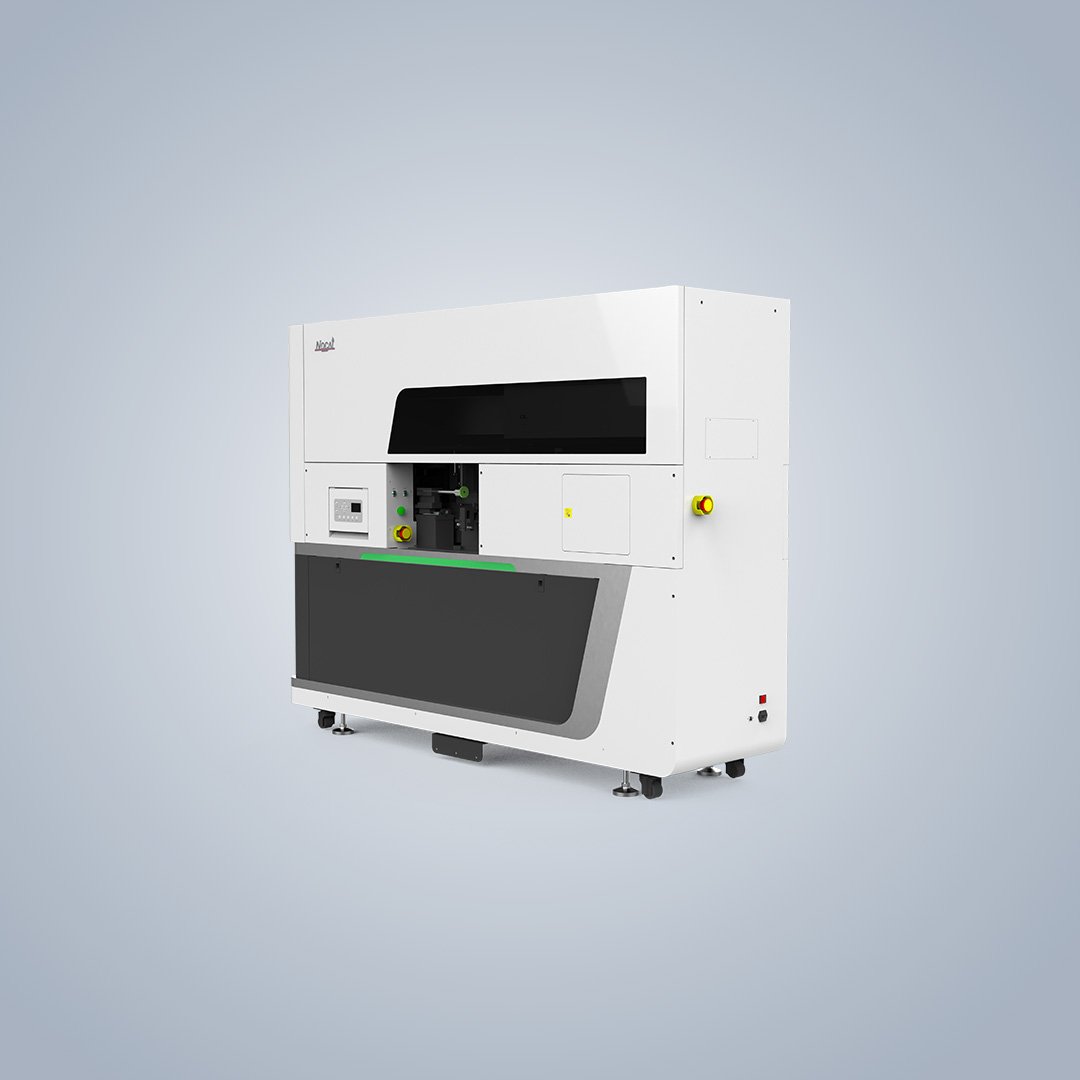
A cylinder printer that handles cups may not handle tall bottles without modification. Check the maximum print length, diameter range, and taper support before committing. If your business serves both markets, look for a machine with adjustable fixtures and a wide length range. Test with your actual products. A sample print on a real cup and a real bottle tells you more than any specification sheet.