Flatbed vs Roll-to-Roll Printer – Which Should You Choose?
Introduction
If you are shopping for a UV printer, you will quickly notice two main formats: flatbed and roll-to-roll. Both use UV-curable ink to print on a wide range of materials, but they serve completely different production needs. Choosing the wrong format will severely limit the types of orders you can accept and hurt your bottom line. This guide breaks down the flatbed vs roll-to-roll printer debate so you can invest wisely.
Flatbed vs Roll-to-Roll Printer – The Flatbed Option
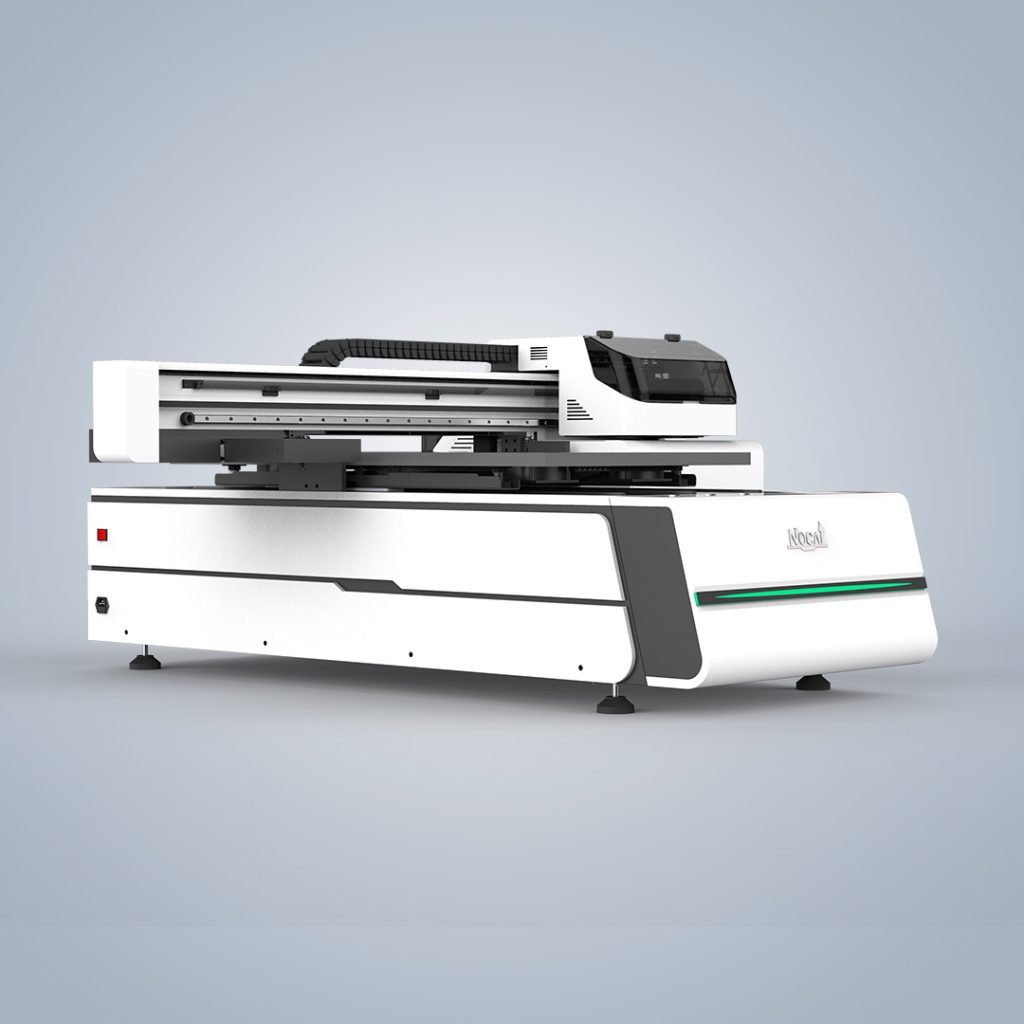
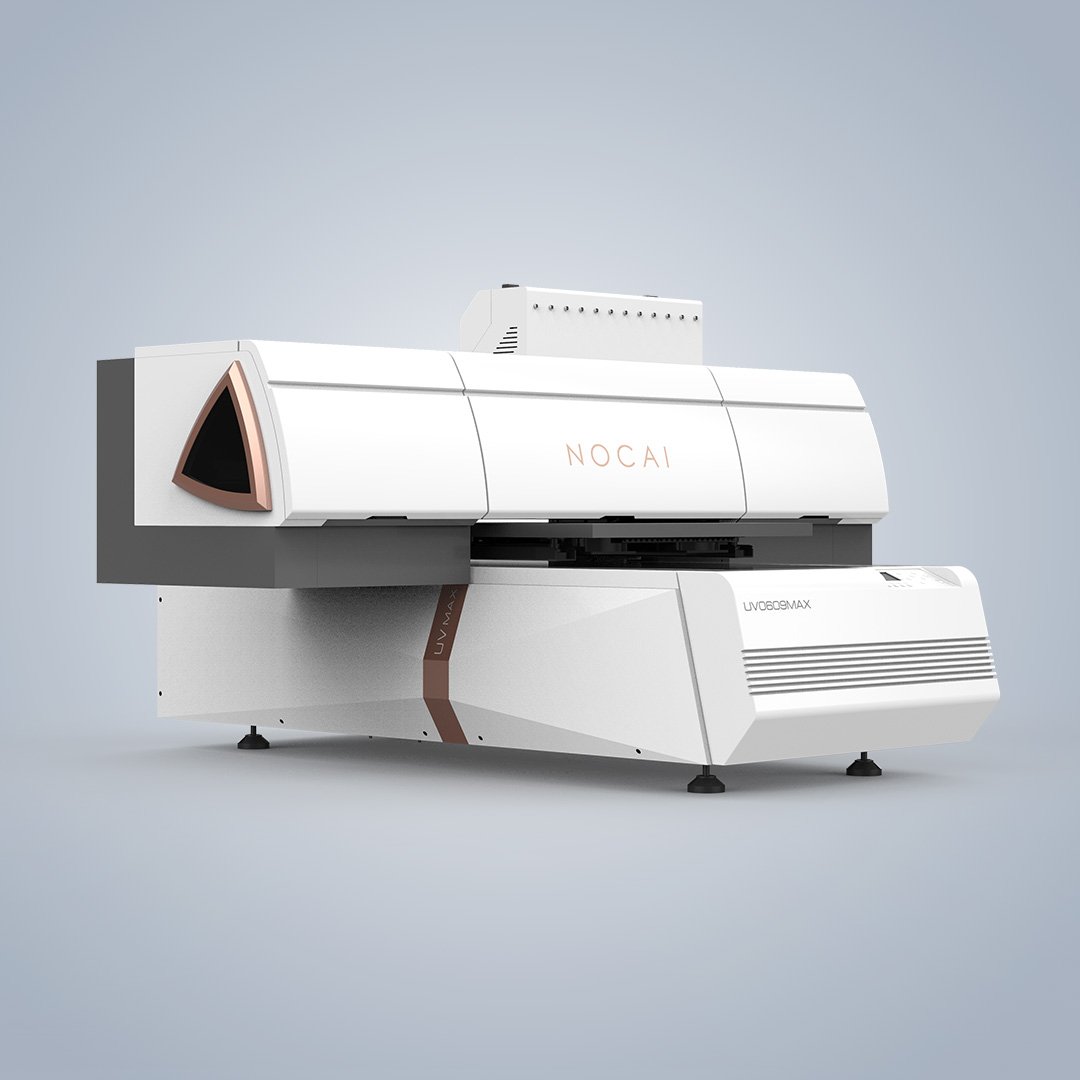
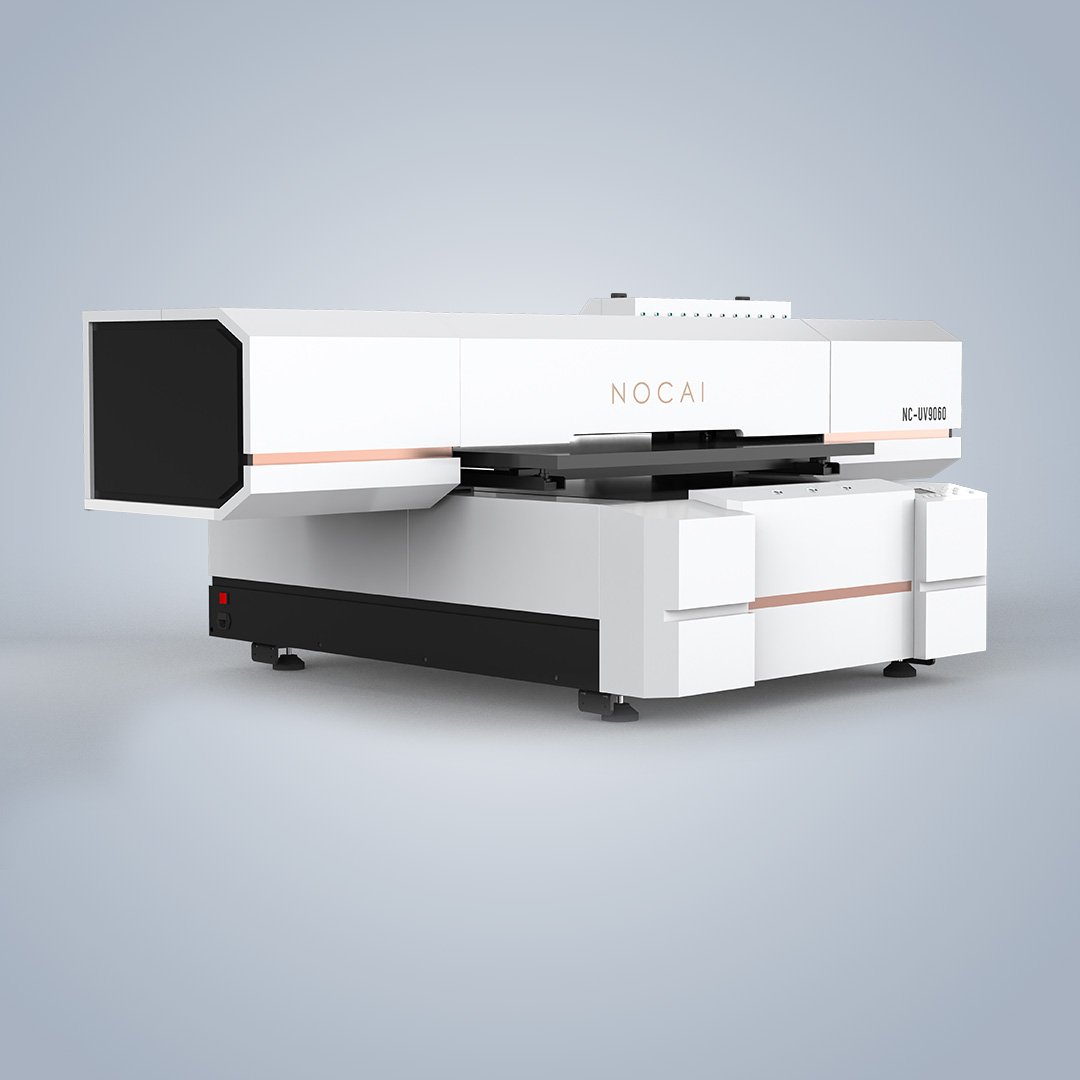
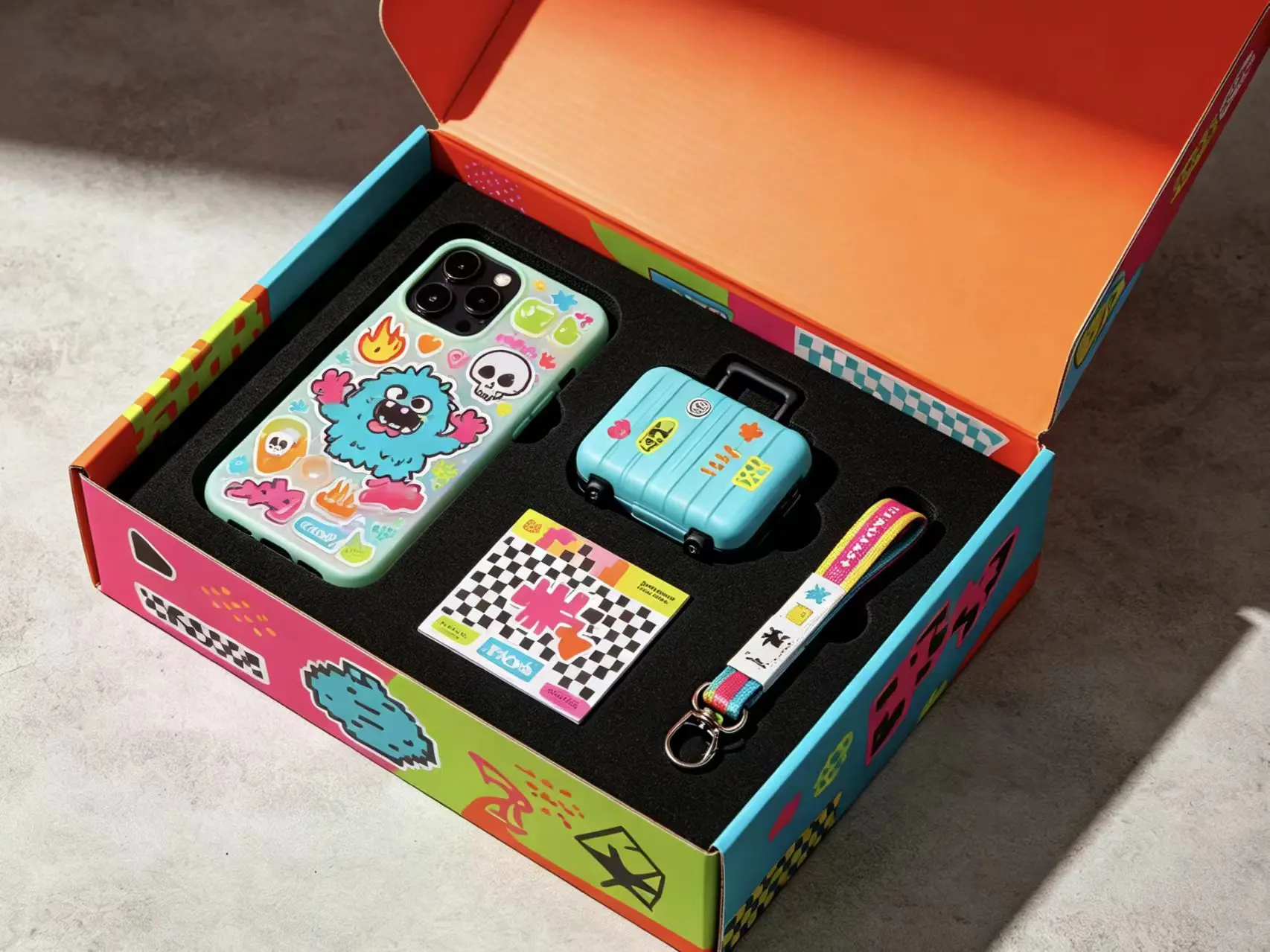
A flatbed printer holds rigid materials securely on a flat vacuum table. It prints directly on acrylic, wood, metal, glass, and PVC. It easily handles thick substrates up to 100mm or more. This makes it the absolute right choice for signage, industrial panels, promotional products, and even cylindrical items when paired with a rotary attachment. If you plan to print on cups or bottles, a flatbed platform with a rotary module is a very common setup.
Flatbed vs Roll-to-Roll Printer – The Roll-to-Roll Option
A roll-to-roll printer continuously feeds flexible media through the machine. It prints on vinyl, banners, films, and textiles. It excels at high-volume production of labels, decals, and roll-fed signage. Because it uses a tensioning system to pull the material, it cannot handle rigid substrates directly. It is the better choice for sticker production, flexible packaging, and massive large-format banners where continuous output matters.
Which Should You Choose?
Choose a flatbed if your products are rigid, thick, or require rotary printing. Choose roll-to-roll if your products are flexible and produced in high volume. What if you need both? Some manufacturers offer hybrid machines that combine a flatbed table with a roll-feeding system. A professional UV printer supplier can help you match the format to your exact product mix and production volume, ensuring you don’t overspend on features you won’t use.
For more industry standards on printing equipment, visit SGIA.org.