Custom Drinkware Printing: Desktop vs Industrial
Introduction
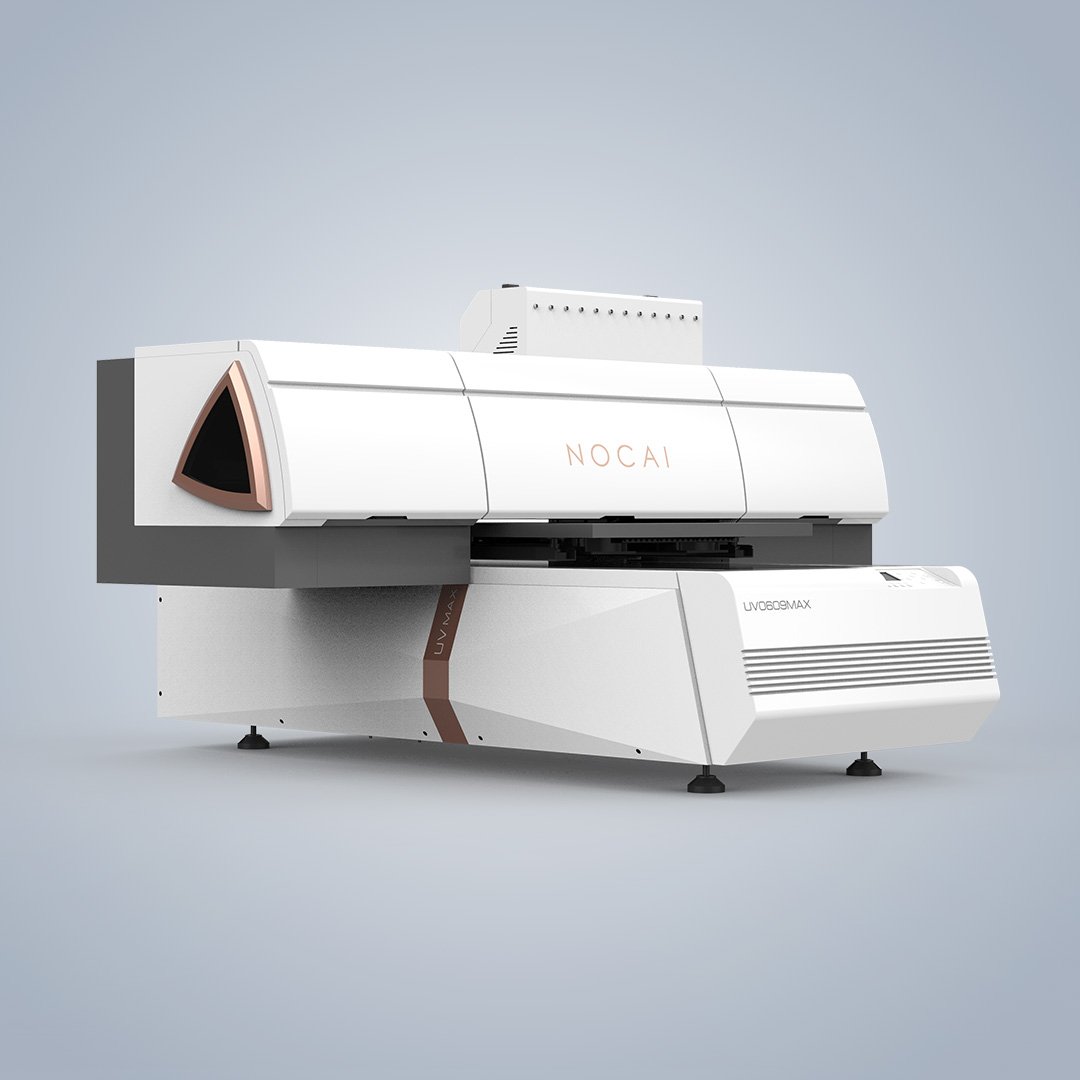
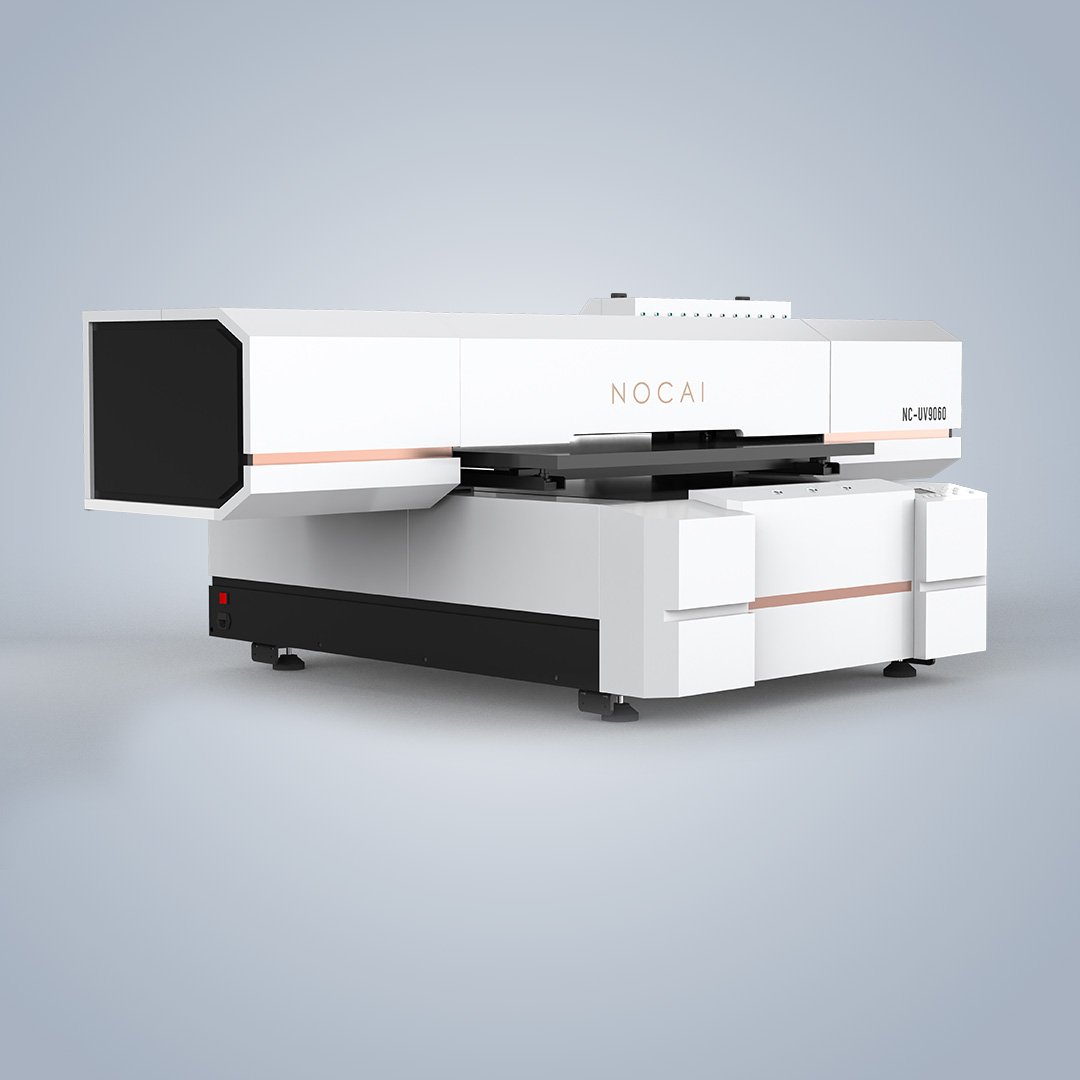
Choosing equipment for custom drinkware printing depends on your production volume. The UV printing market is splitting into two distinct tiers. On one side, industrial giants like Roland DG are pushing the boundaries of speed and material compatibility with machines costing $70,000 or more. On the other side, consumer-tech brands like Anker are democratizing the technology with desktop models that retail for a fraction of the cost. For a small studio or startup, which path makes more sense? Let’s break down the real differences between a desktop setup and a heavy-duty digital UV printer.
Desktop UV Printers: The Case for Accessibility
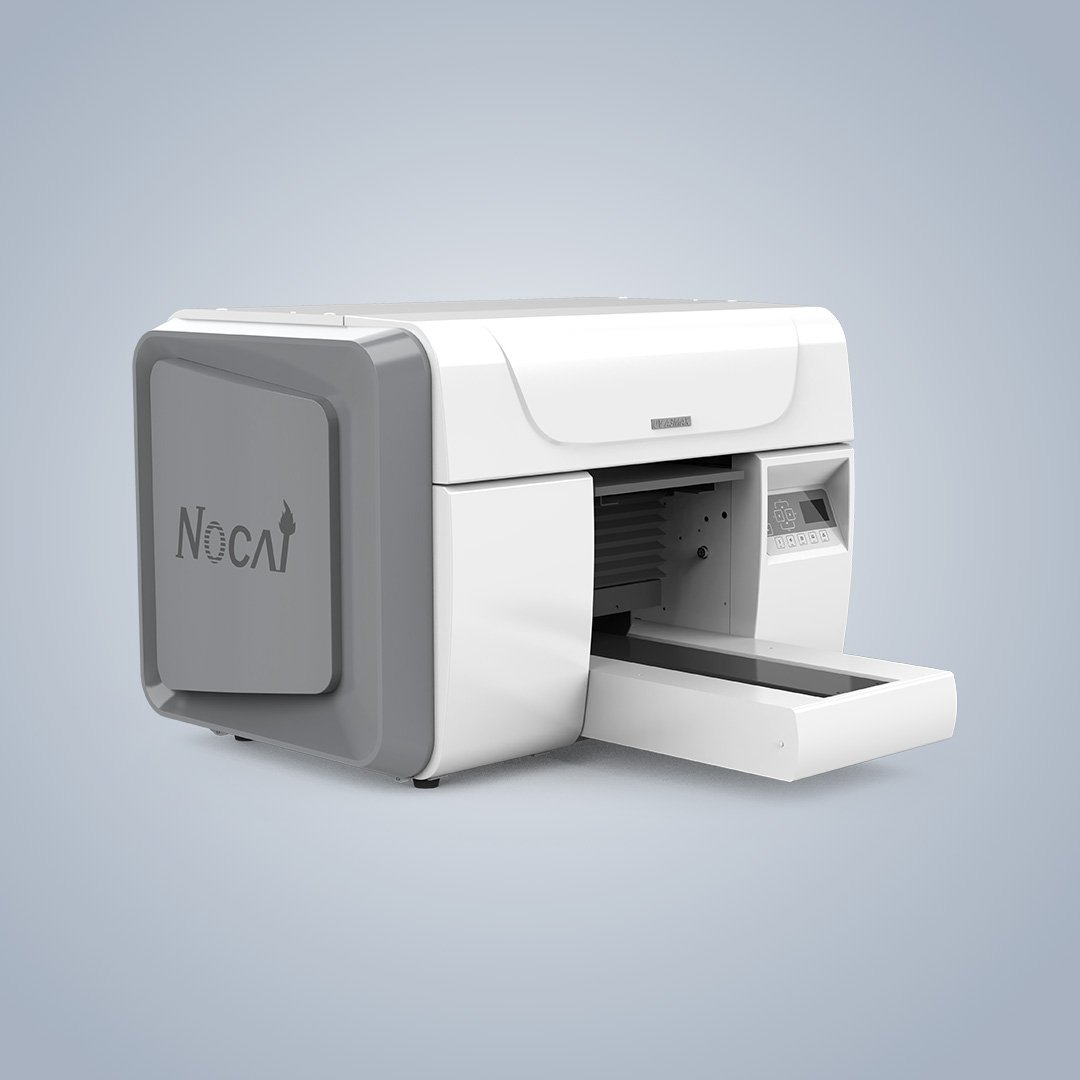
Desktop UV printers offer an accessible entry point. They can print on over 300 materials. They also support 3D texture effects. You can even handle curved surfaces with an optional attachment. For a solo entrepreneur testing a business idea, a desktop machine offers low risk. A gift shop adding personalization services will see fast payback. The trade-off is throughput. Desktop units are slower and have smaller print areas. This makes them less ideal for mass production.
Industrial Cylindrical Machines for Custom Drinkware Printing
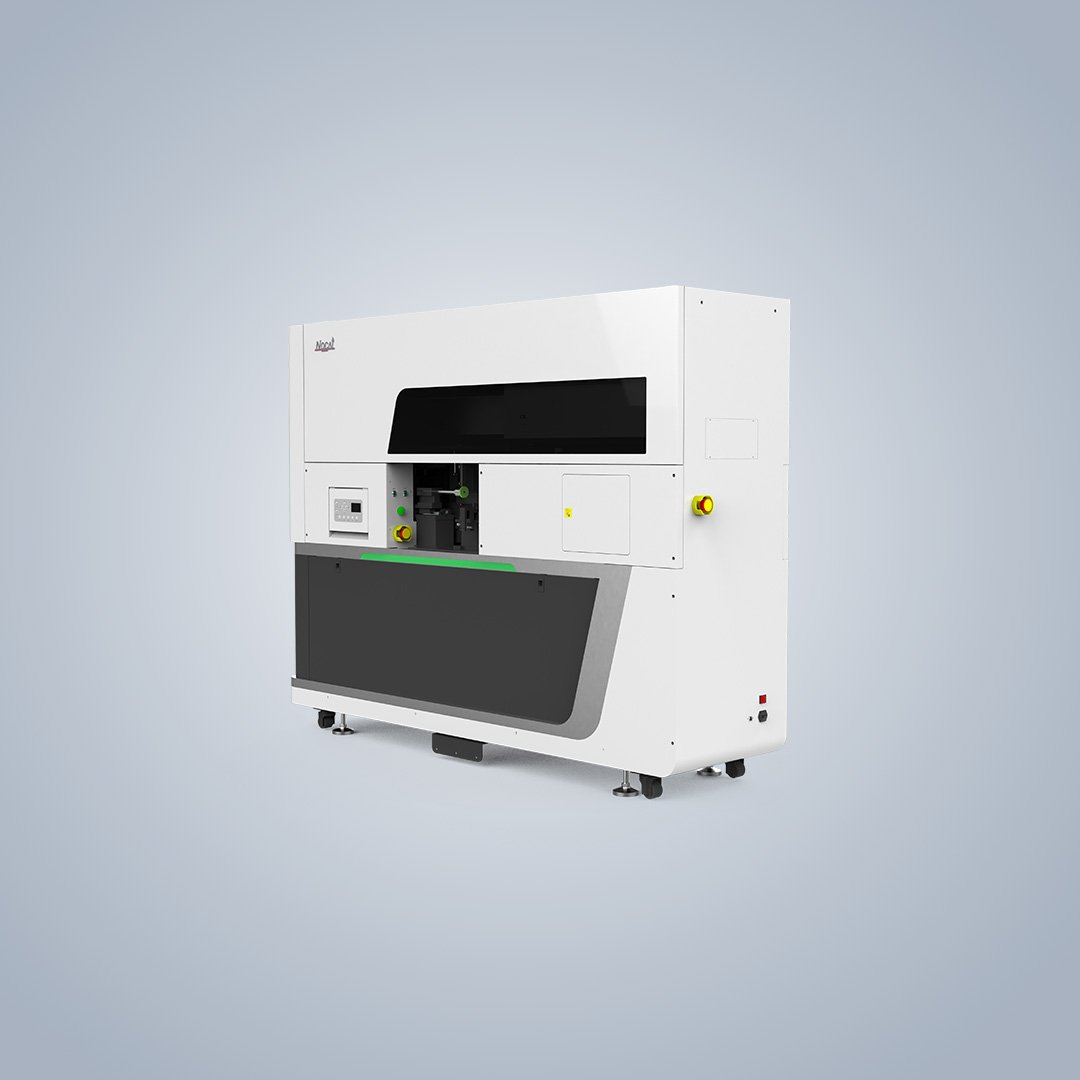
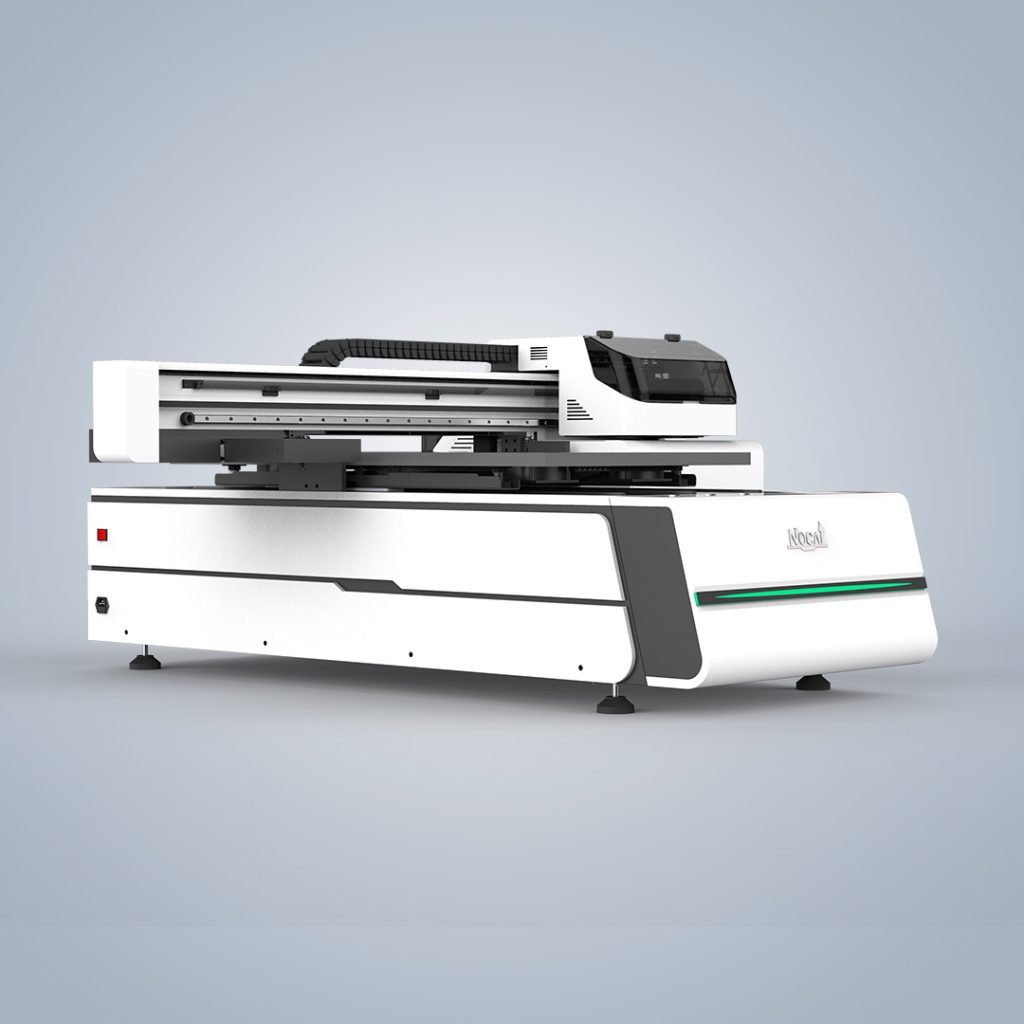
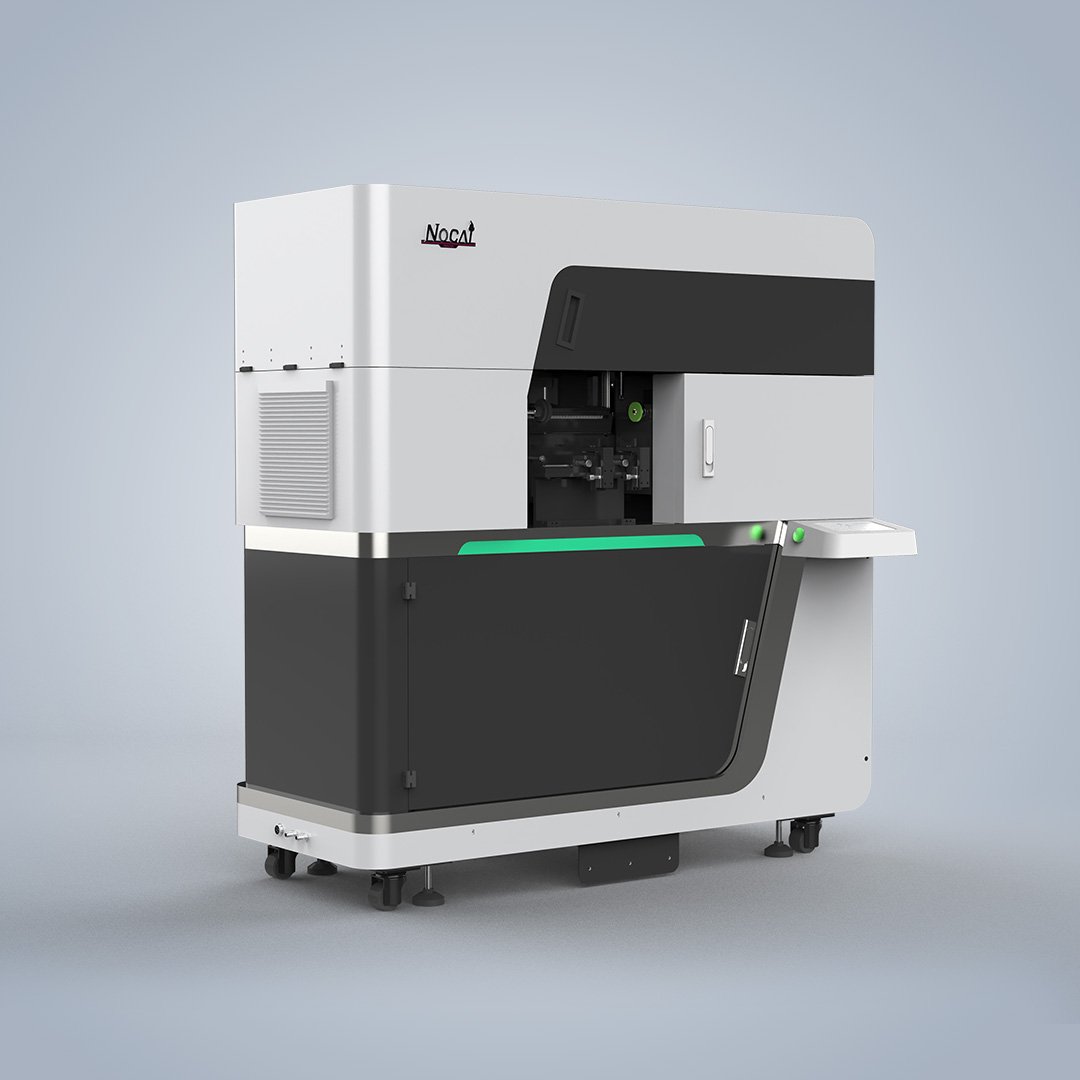
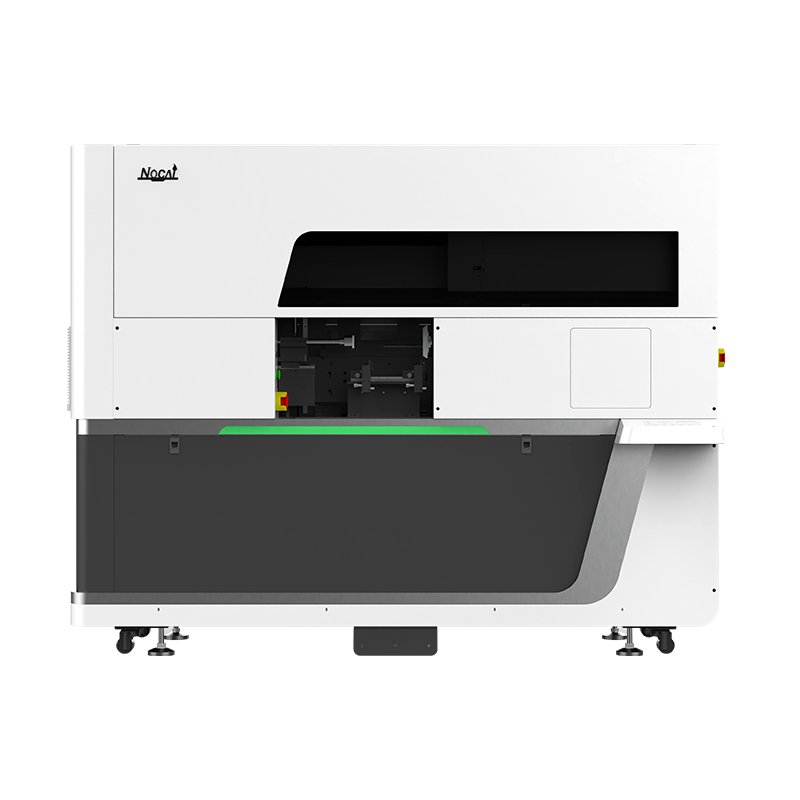
If your goal is to produce drinkware at scale—hundreds of tumblers per day—a dedicated cylindrical UV printer is the better investment. Industrial machines are built for continuous operation. They feature robust rotary attachments, high-capacity ink systems, and automated features that reduce labor costs. They also handle larger diameters and lengths, and support advanced features like white ink circulation and high-drop printing for irregular shapes. The higher upfront cost is offset by a much lower cost per unit at volume. This is the standard for serious custom drinkware printing businesses.
Finding the Middle Ground
For many growing studios, the sweet spot is a mid-range cylindrical UV printer that offers industrial-grade reliability without the six-figure price tag. Look for a machine with a proven printhead (like Ricoh or Epson), a sturdy rotary attachment, and good after-sales support. A professional UV printer supplier can help you evaluate your production volume and recommend the right tier for your specific needs.
The Bottom Line
Desktop printers are great for testing the waters. Industrial machines are for scaling. Know your business model before you buy, and choose the machine that matches your current volume while leaving room for growth.
For resources on small business equipment financing and scaling, visit SBA.gov.