UV Printing on Ceramic Mugs – What You Need to Know
Introduction
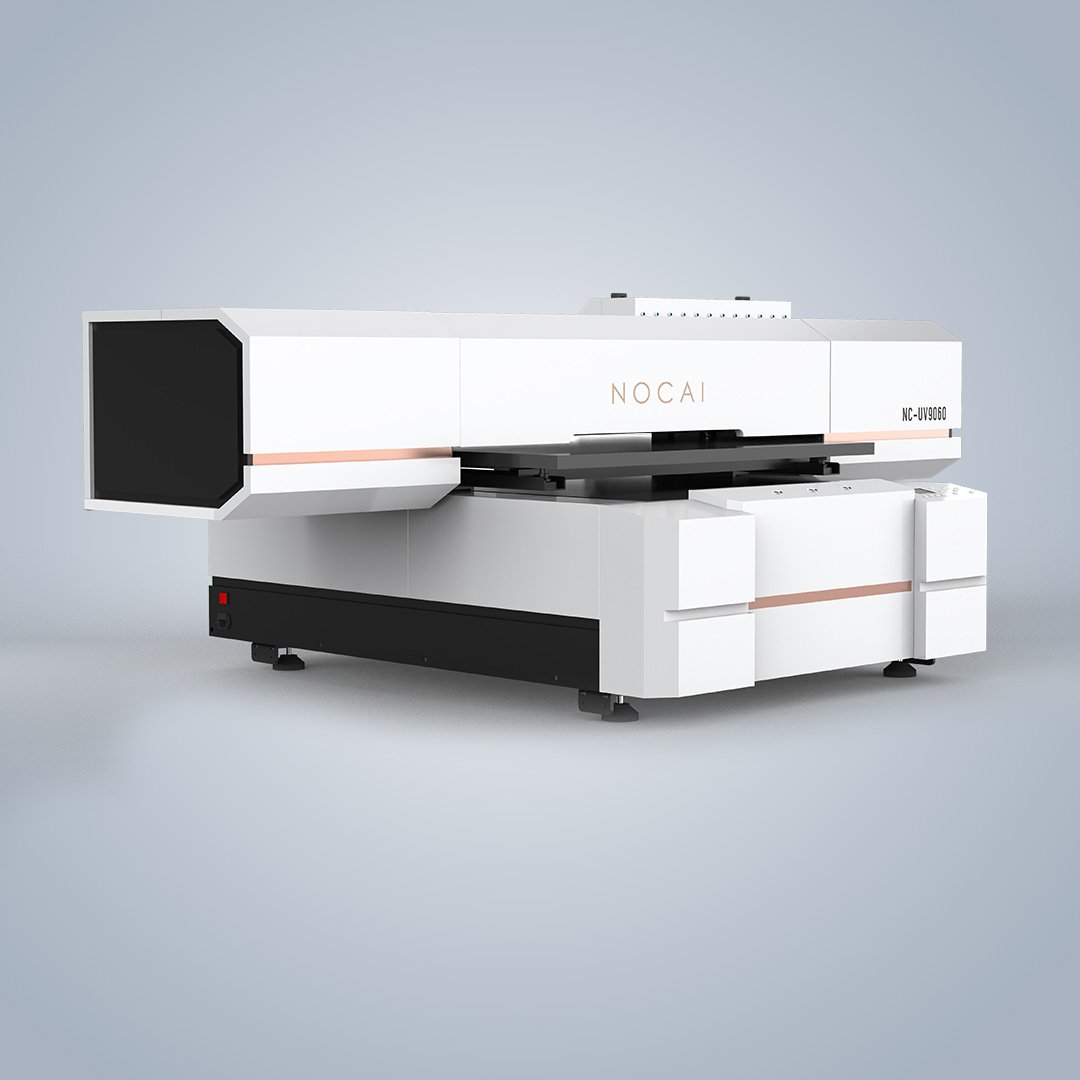
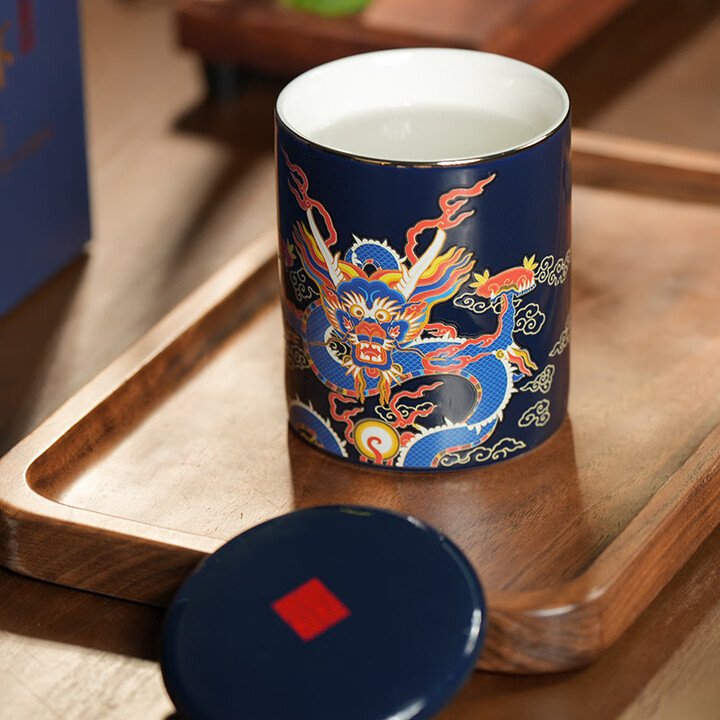
UV printing on ceramic mugs is a classic application for custom products. Ceramic mugs are used for promotional gifts, café merchandise, and personal keepsakes. They are used for promotional gifts, café merchandise, and personal keepsakes. But ceramic is not the easiest material for UV printing. The surface is non-porous and often glazed, which makes ink adhesion challenging. A UV printer can print on ceramic mugs, but the process requires extra steps compared to stainless steel. This guide covers what you need to know.
Why Ceramic Needs Special Handling
Ceramic mugs are usually glazed. The glaze creates a smooth, non-porous surface that UV ink struggles to bond with. Without proper preparation, prints can scratch off, fade, or peel during washing. The solution is a coating or primer applied before printing. This coating acts as a chemical bridge between the glaze and the UV ink. It improves adhesion and extends print life. Some ceramic mugs come pre-coated from the supplier. If not, you need to apply the coating yourself.
Surface Preparation Steps
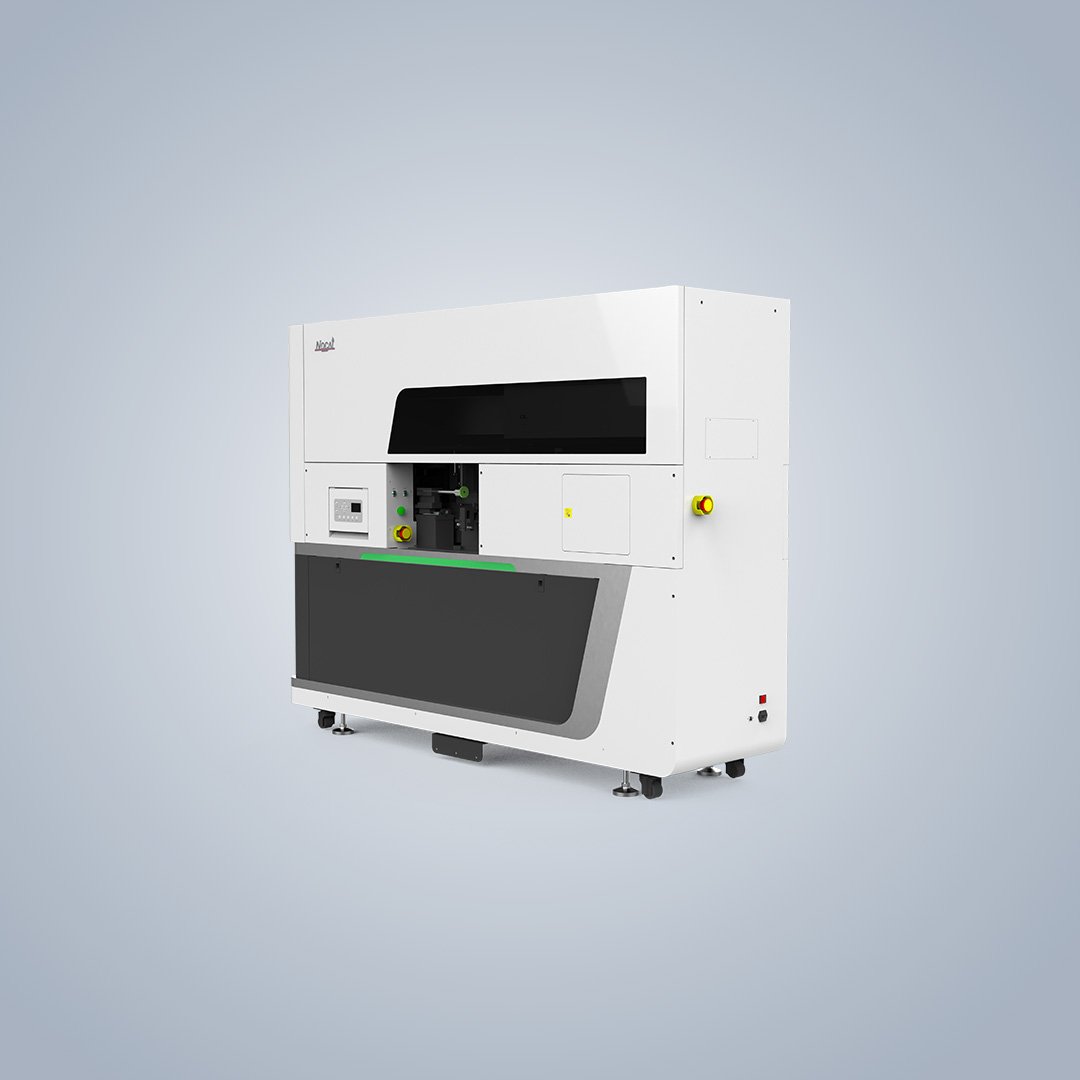
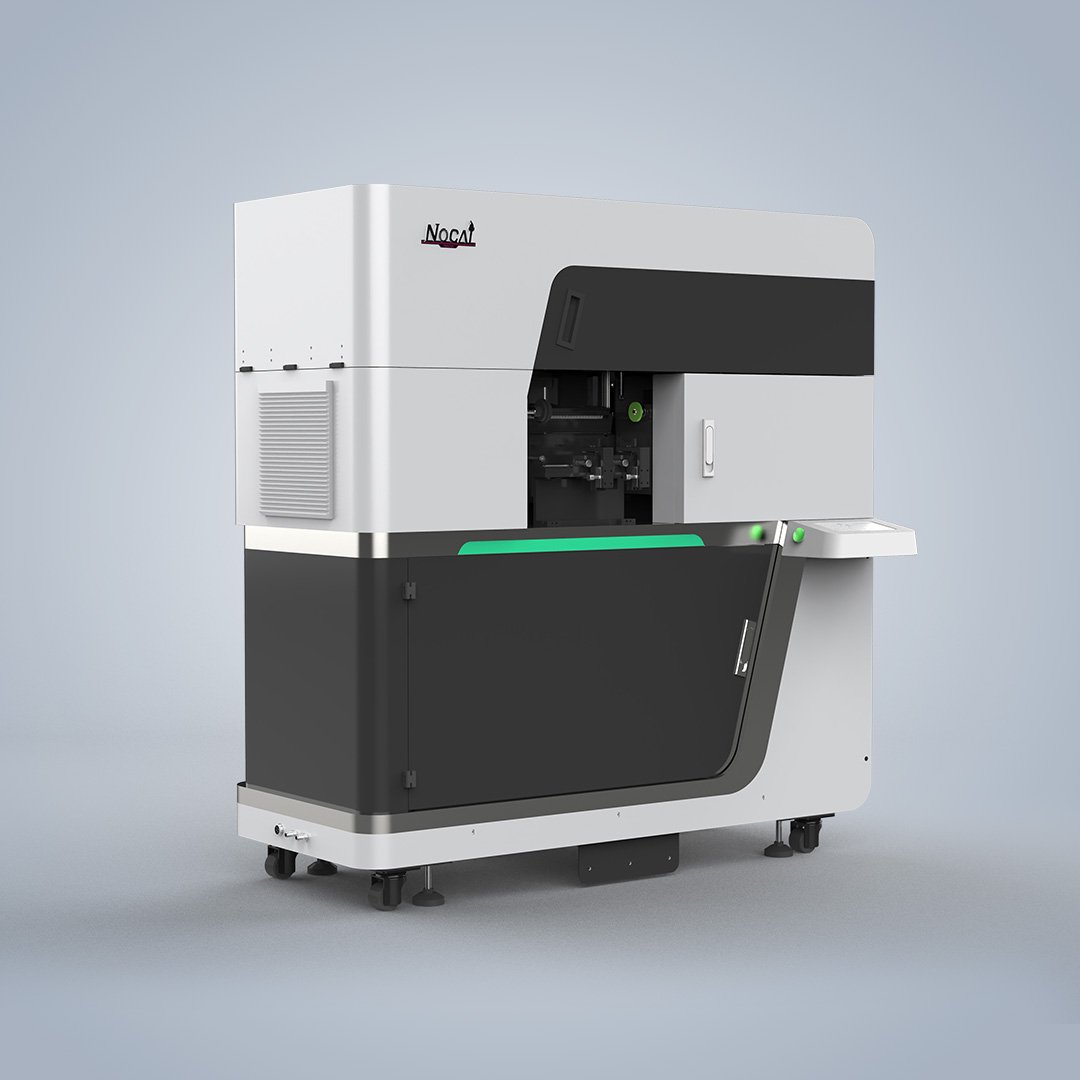
Clean the mug with isopropyl alcohol to remove dust and oils. Apply the coating evenly. Some coatings are sprayed; others are wiped or dipped. Allow the coating to dry according to the manufacturer’s instructions. Then load the mug onto the printer. UV printing on ceramic mugs requires a cylindrical UV printer with a rotary attachment handles the curved surface. The mug rotates while the printhead moves across. White ink is essential for dark or colored mugs. Varnish adds protection and a premium finish.
Printing and Curing
UV ink cures instantly under UV light. This means the mug can be handled immediately after printing. But adhesion continues to develop over 24 hours. Avoid washing or heavy handling during this period. For best results, test a sample mug before running a full batch. Check adhesion with a scratch test and a wash test.
Applications and Market
Ceramic mugs remain a strong seller in the promotional products market. Coffee shops order branded mugs for retail. Corporate buyers order logo mugs for employee gifts. Online sellers offer personalized mugs with photos, names, and quotes. The margins are attractive, but the coating step adds time and cost. Factor this into your pricing. A professional UV printer supplier can recommend compatible coatings and inks for ceramic substrates.
Ceramic vs Stainless Steel
If you are new to UV printing, stainless steel tumblers are easier to start with. They require less preparation and have fewer adhesion issues. Ceramic mugs require coating and careful handling. But ceramic remains a popular product with loyal customers. Once you master the coating process, it becomes a reliable addition to your product line.