Cylinder Printer for Drinkware – Material Compatibility Guide
Introduction
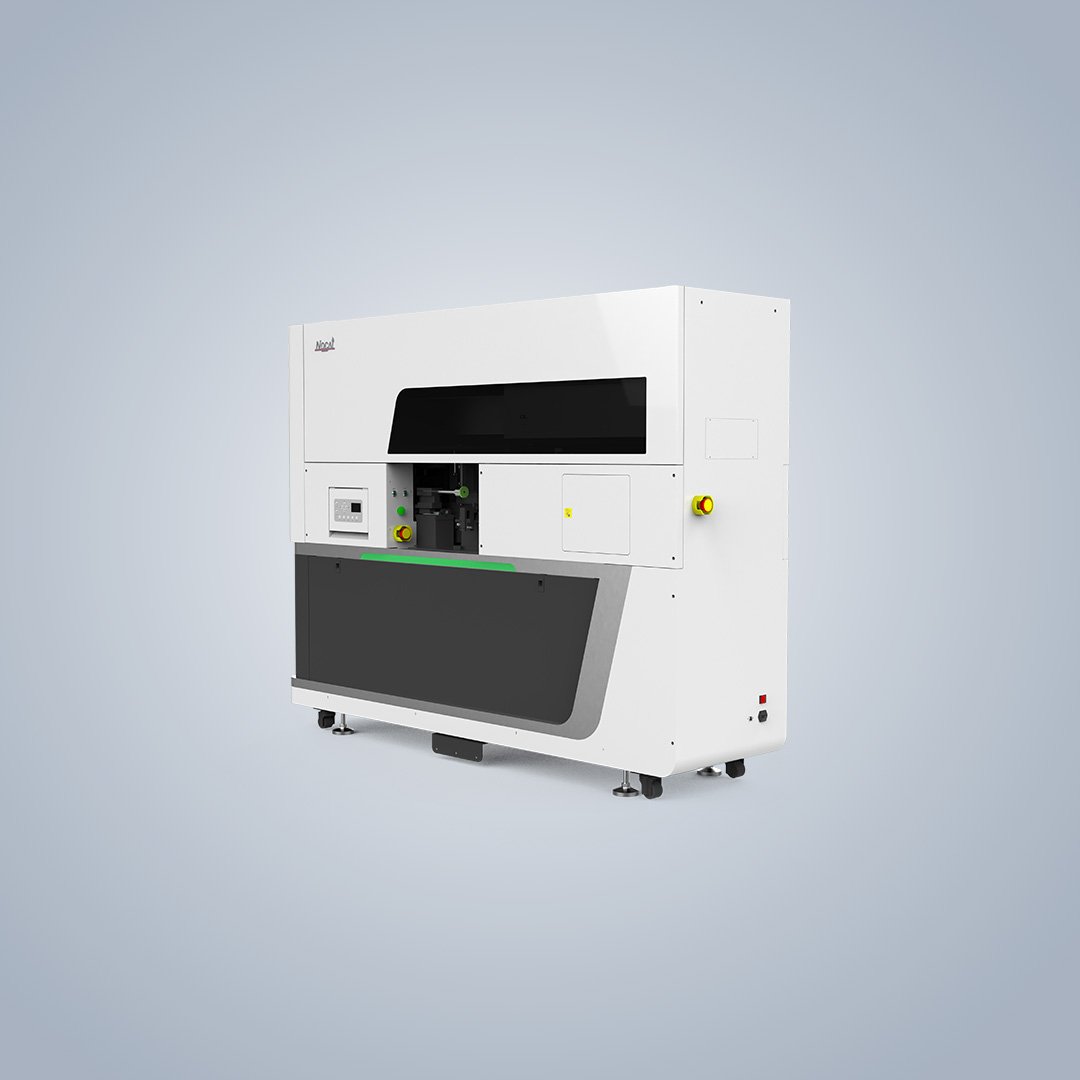
A cylinder printer for drinkware depends on the material you print on. It determines how well the ink adheres, how long the print lasts, and what preparation steps you need.For businesses using a cylinder printer for drinkware, understanding material compatibility is not optional—it directly affects product quality and customer satisfaction.
Stainless Steel and Titanium
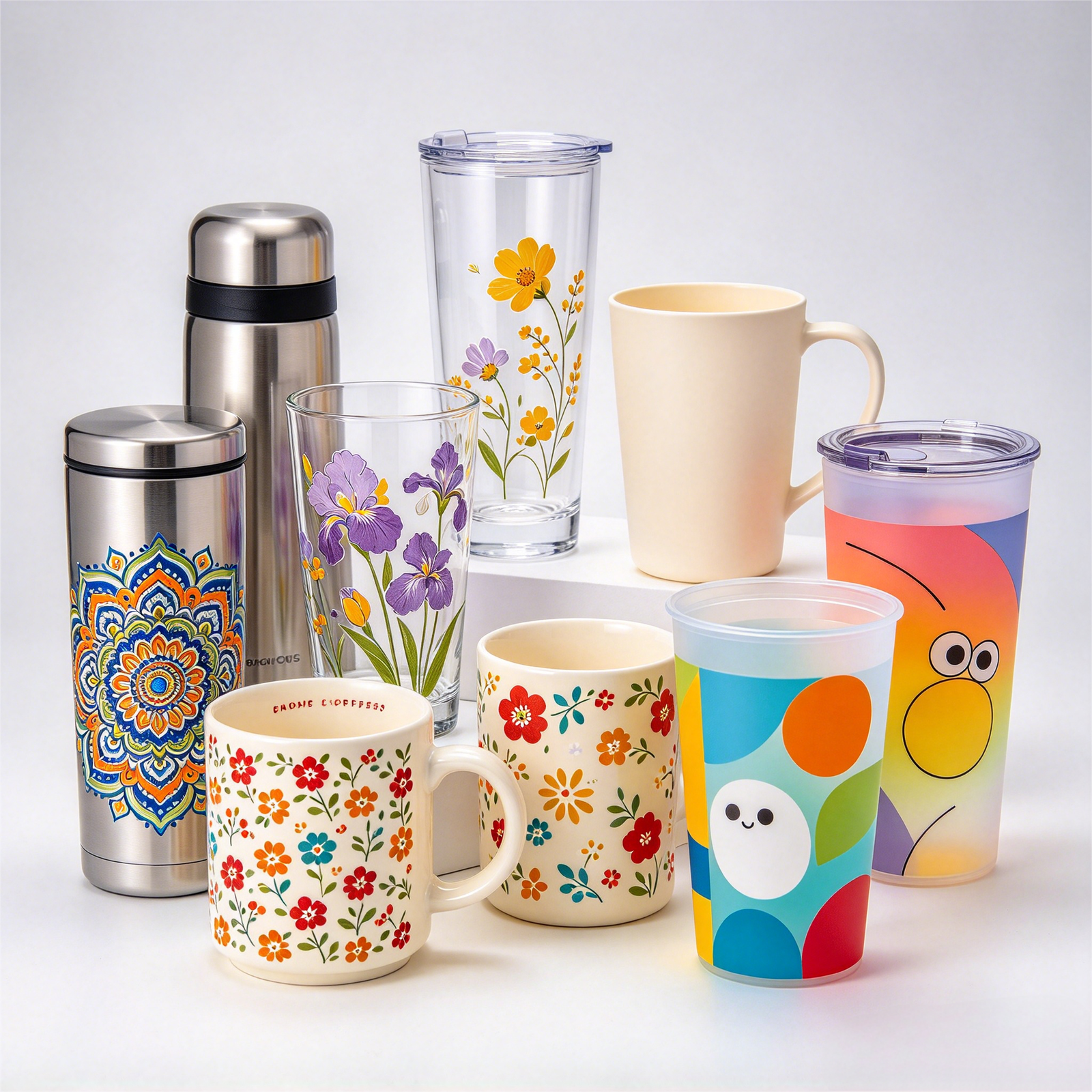
Metal cups are among the most common applications for cylindrical UV printing. Stainless steel tumblers are widely used in promotional products and retail drinkware. Titanium cups are growing rapidly due to their lightweight and corrosion-resistant properties. Both metals accept UV ink well, but adhesion can vary. A primer or pre-treatment is often recommended for optimal results, especially on polished or coated surfaces . Jettable primers are now available that can be applied in-line through a dedicated printhead channel, streamlining production .
Ceramic and Glass
Ceramic mugs and glass cups are popular for personalized gifts and premium drinkware. Both materials are non-porous and require white ink underlayers for vibrant colors on transparent or dark surfaces. Glass often benefits from a primer to improve adhesion, while ceramic generally accepts UV ink readily after surface cleaning.
Plastics
Plastic cups come in many types—PP, PET, HDPE, and acrylic. Some plastics are easier to print on than others. PP (polypropylene) and PE (polyethylene) have low surface energy, making them challenging for ink adhesion without pre-treatment. PET and acrylic are more forgiving. If you plan to print on plastic cups, test the specific material before committing to production .
Cylinder Printer for Drinkware – What Affects Adhesion
Three factors determine how well UV ink bonds to a cup surface. Surface energy: higher energy surfaces accept ink more readily. Surface cleanliness: oils, dust, and mold-release agents interfere with adhesion. Ink formulation: some inks are designed for specific material families. A reliable UV printer supplier will help you match the right ink and preparation process to your material.
Testing Is Essential
Material compatibility charts are useful starting points, but they do not replace actual testing. Request sample prints on your exact cup material before making equipment decisions. Check adhesion, scratch resistance, and appearance after washing. What works on a sample from one supplier may behave differently on another batch.A cylinder printer for drinkware is only as good as its ability to bond ink to your specific material.