Cup Printing Equipment – Factory Setup Guide
Introduction
Choosing the right cup printing equipment requires more than just picking a printer. The right equipment mix determines your production capacity, the products you can accept, and your long-term operating costs. Whether you are setting up a small studio or a full production line, here is the core equipment list you should plan for.

Cup Printing Equipment – Core Printers
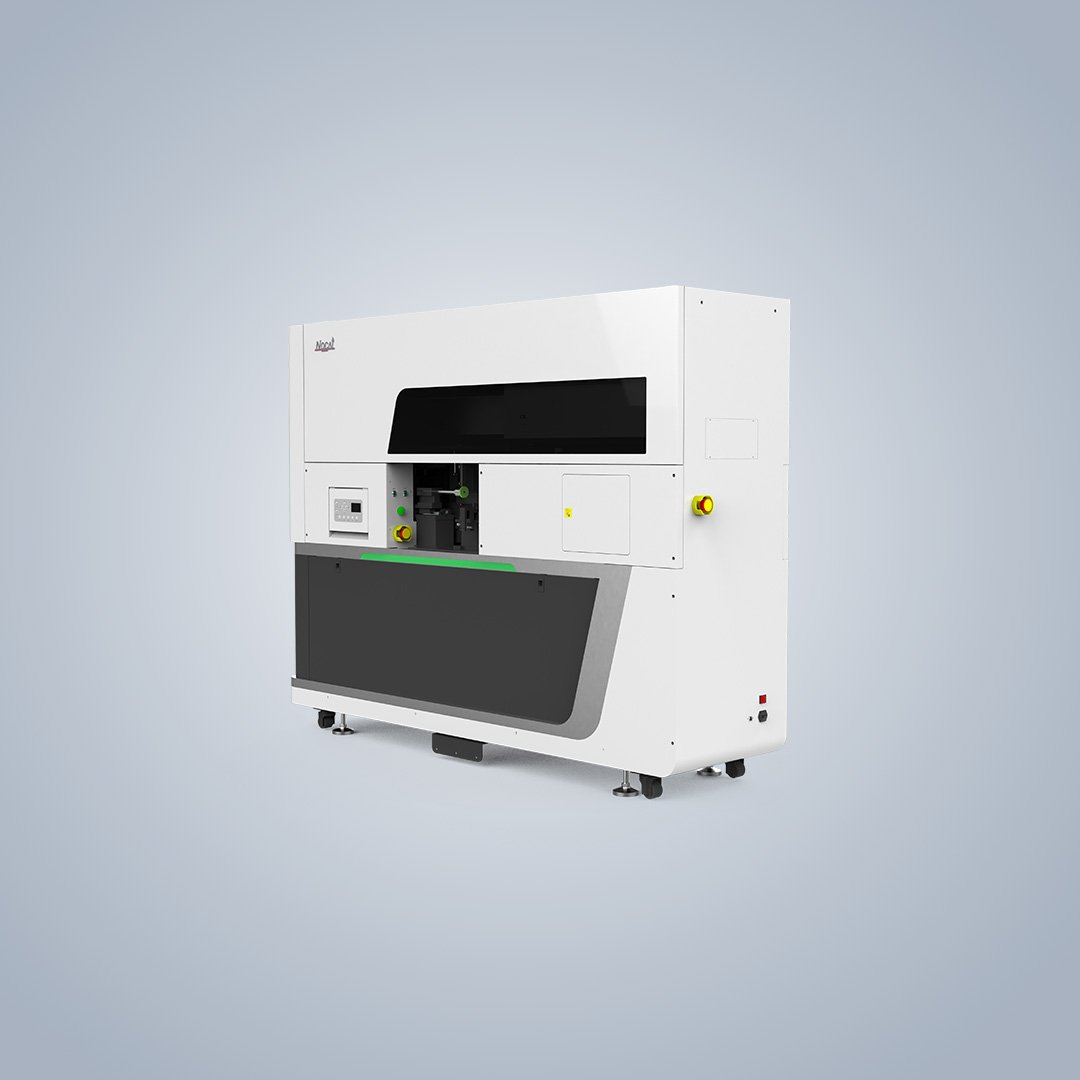
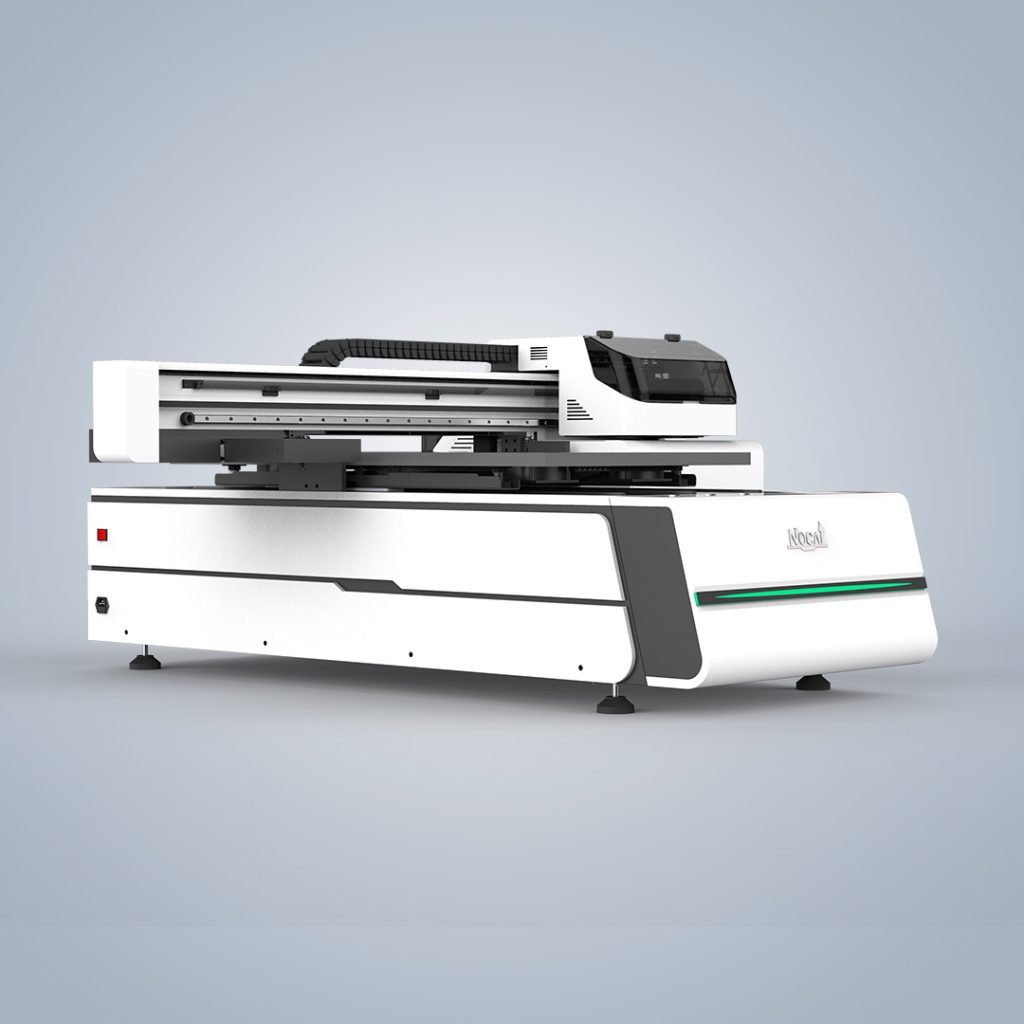
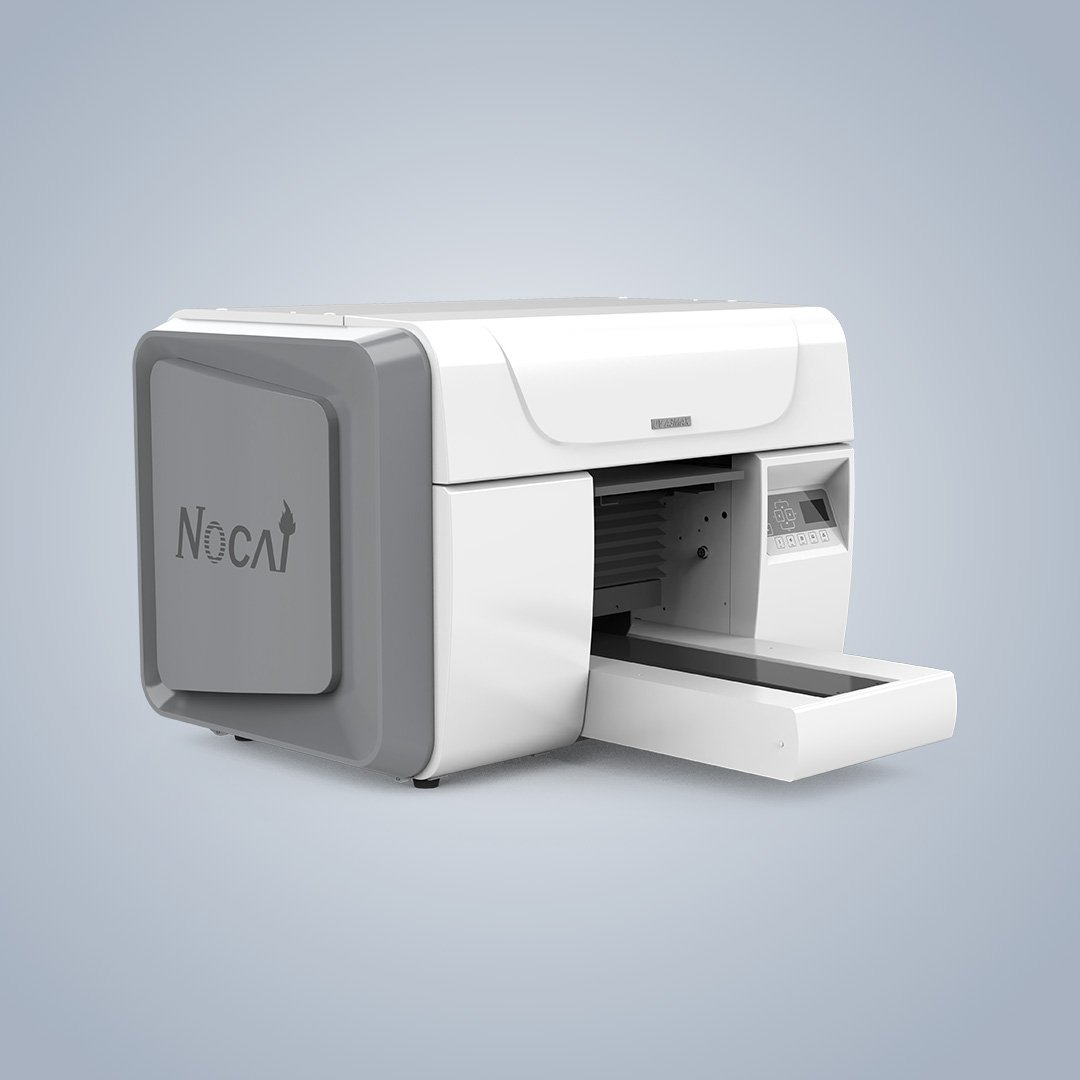
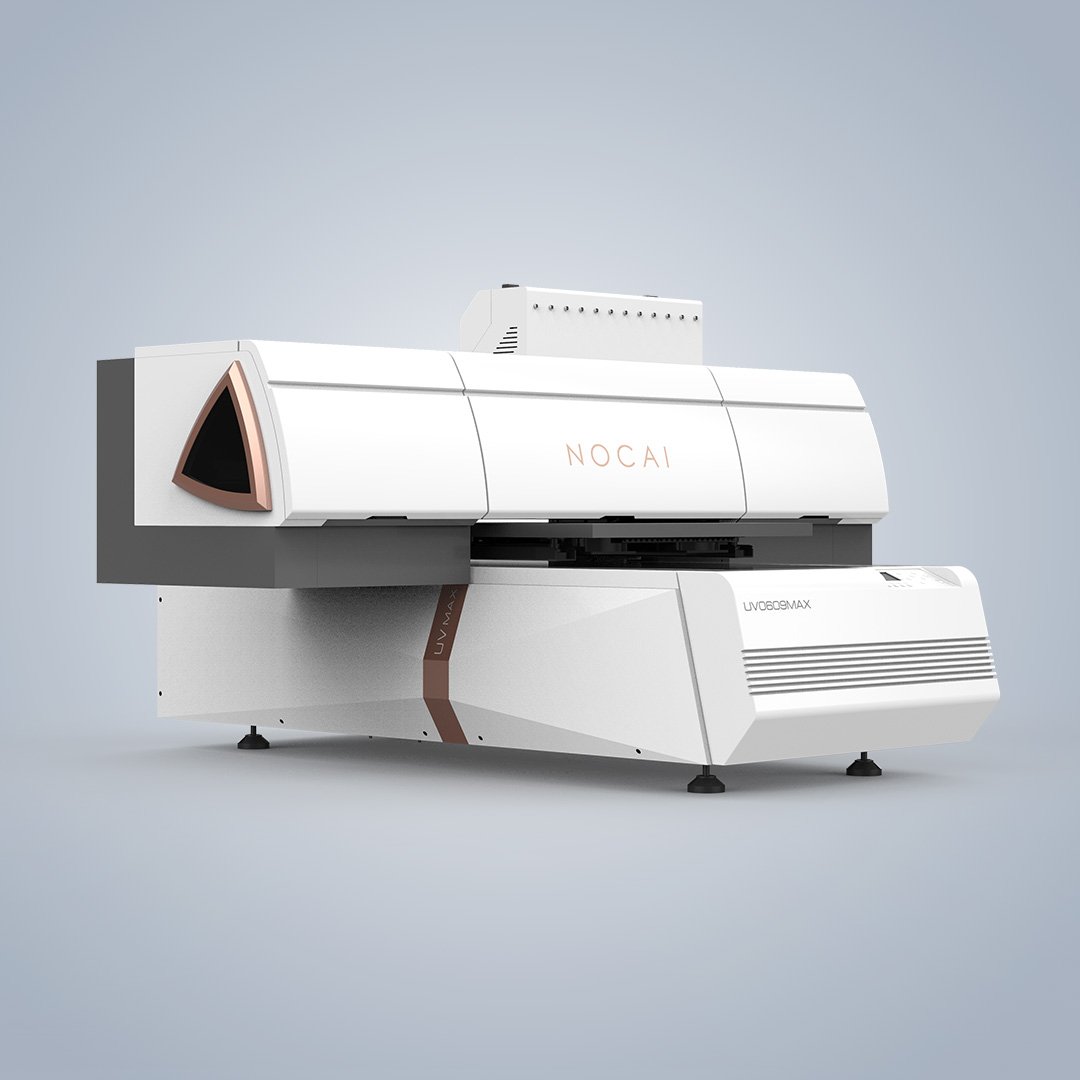
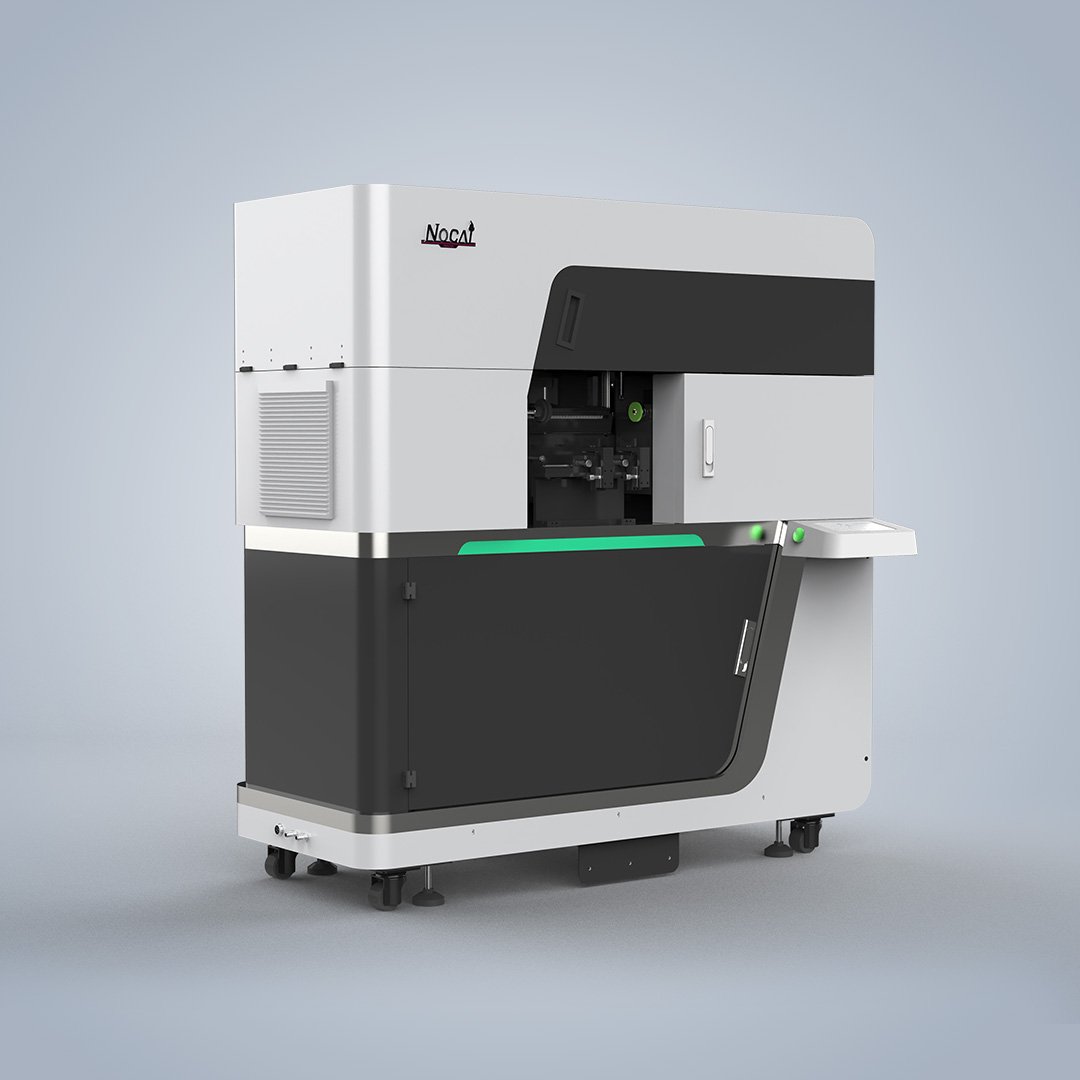
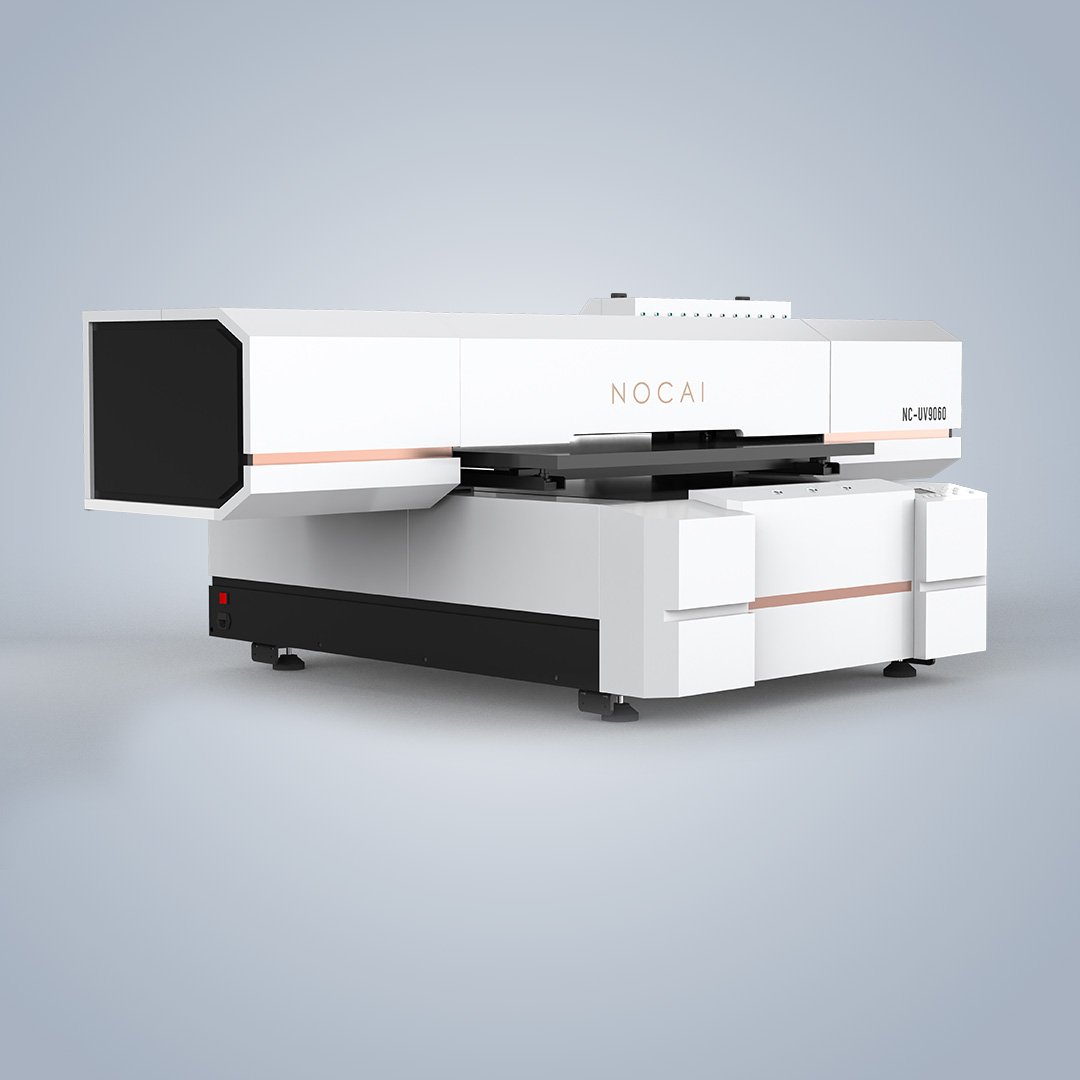
The UV Printer. This is the core of your cup printing equipment and your primary investment. For cylindrical products like cups and bottles, you need a cylindrical UV printer with a rotary attachment. Key specs to match: diameter range (typically 45–160mm), print length (80–280mm or more), and whether it supports tapered shapes. For flat products, a flatbed UV printer is the better fit. Many businesses start with a cylindrical model and add a flatbed later.
Curing System. UV-LED curing is standard on modern printers. It cures ink instantly, consumes less energy than mercury lamps, and produces less heat—important for heat-sensitive plastics.
RIP Software. You need software that handles cylindrical unwrapping and color management. Without it, designs on curved surfaces will appear stretched or distorted.
Cup Printing Equipment – Fixtures and Jigs
Every cup shape needs a fixture to hold it during rotation. Standard tumblers fit rubber trays or adjustable mandrels. Handled mugs need a fixture that positions the handle away from the print zone. Tapered cups need angled supports. Budget for a set of fixtures covering your most common product sizes, plus at least one custom jig for odd shapes.
Consumables and Ink Management
UV ink is your largest ongoing cost. Store it away from light, keep white ink circulated to prevent settling, and track consumption per cup to price jobs accurately. You will also need cleaning solution, lint-free wipes, wiper blades, and capping units for daily maintenance.
Optional but Useful
A pre-treatment station for applying primer or coating is helpful if you print on glass or ceramic. A heat press is not needed for UV printing but may be useful for mixed production. Automation options like robotic loading arms make sense only at high volume—hundreds of identical pieces per order.
Workspace and Support
You need a clean, temperature-controlled space (20–28°C, 40–60% humidity). Ventilation matters for ink handling. And a reliable professional UV printer supplier who offers training and spare parts availability is as important as the machine itself.
For industry standards and resources, visit Printing United.