How to Evaluate a Cylinder Printer for Your Cup Production
Introduction
Buying a cylinder printer for cup production requires more than comparing prices. The machine must match your product sizes, material types, and production volume. This guide covers the key specifications to evaluate before you commit.
Print Diameter and Length Range
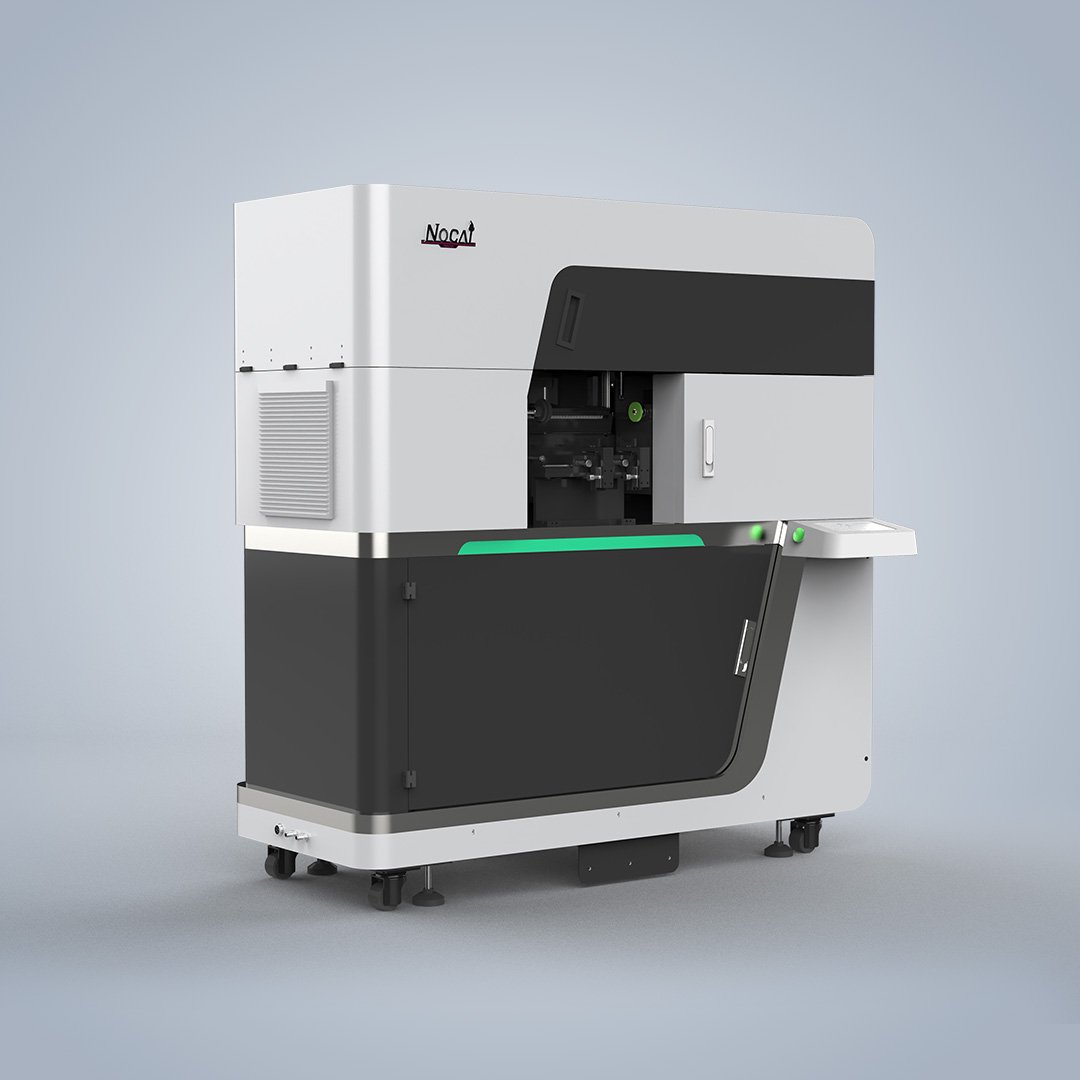
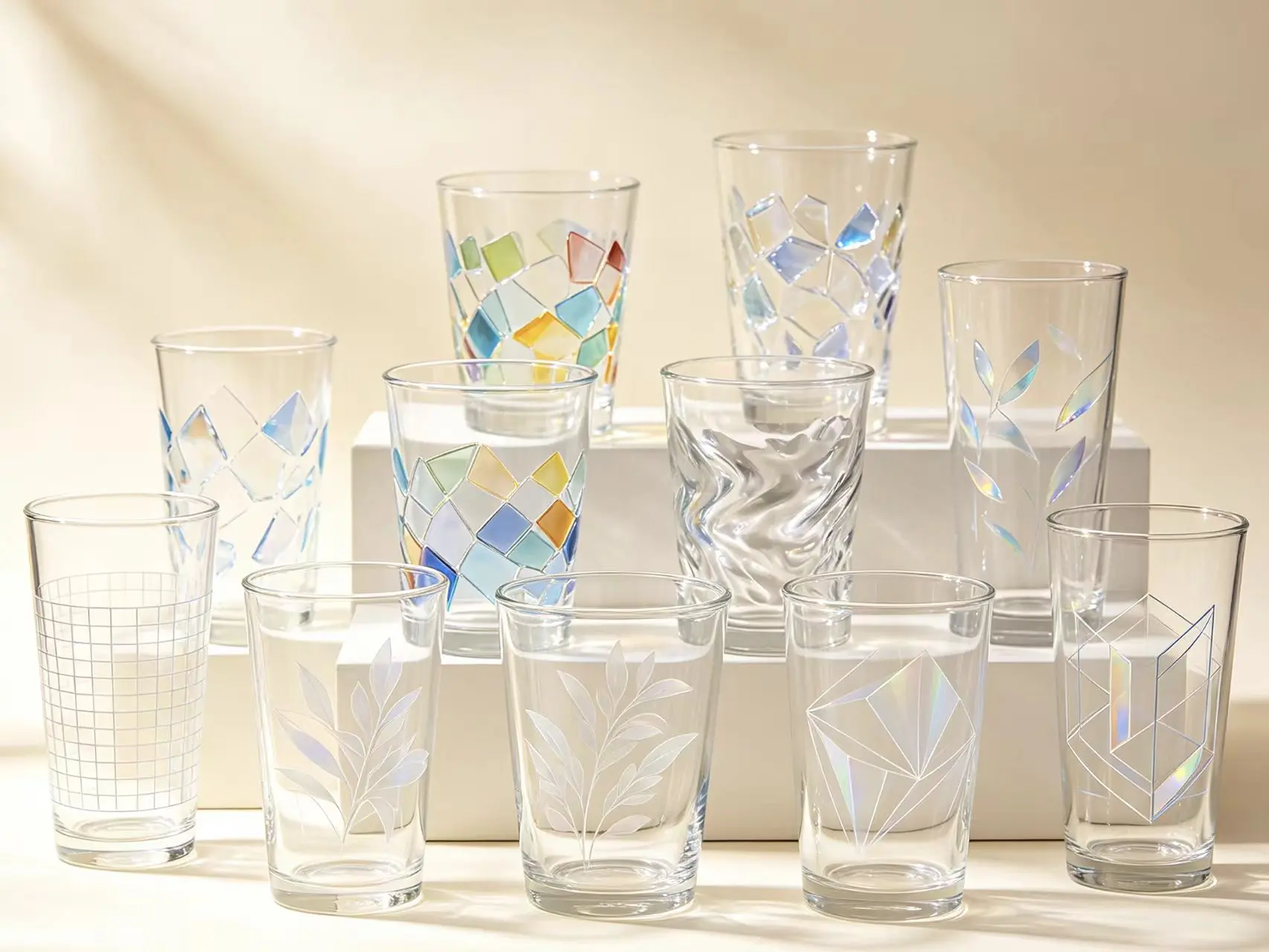
The first thing to check is whether the machine handles your cup sizes. Standard cylindrical printers support diameters from roughly 45mm to 160mm. Length ranges vary, but many models handle cups up to 280mm tall. If you print on smaller items like shot glasses or cosmetic jars, confirm the minimum diameter the machine supports. Some updated models now handle diameters as small as 33mm . If you print on larger vessels, check the maximum diameter and length.
Taper and High-Drop Capability
If your cups are not perfectly straight, taper support matters. Some cylinder printers handle taper angles up to 12° or 15°. High-drop capability determines whether the machine can print on cups with significant surface height variation. Standard systems handle a few millimeters; advanced systems handle 15mm or more . Check the specification against your actual product shapes.
Printhead Type
Industrial cylinder printers typically use Ricoh Gen5 or Gen6 printheads. These heads are known for durability and consistent performance in continuous operation. Epson printheads are also common, especially in desktop and mid-range models. The printhead type affects resolution, speed, and maintenance requirements. Ask about replacement cost and expected lifespan.
Ink Configuration
CMYK is standard. White ink is essential if you print on dark or transparent cups. Varnish adds protection and premium texture. Some systems support Primer as a separate channel, allowing in-line application without a separate pre-treatment step . Confirm what ink configuration the machine supports and what consumables cost.
Speed and Production Volume
Print speed varies significantly between models. Some high-speed systems complete a full 360° print on a 20oz tumbler in about 60 seconds . Entry-level machines may take longer. Calculate your daily capacity needs and match the machine to your production targets. If you print hundreds of cups per day, speed matters. If you print custom one-offs, setup time matters more.
Ease of Setup and Operation
Consider how long it takes to switch between different cup sizes. Quick-change fixtures reduce downtime. Automatic product measurement simplifies positioning. If you print a variety of cup types, these features directly affect your efficiency.
Working with a Reliable Supplier
A professional UV printer supplier can help you match equipment to your specific cup production needs. They should offer sample testing, training, and ongoing technical support. The right machine for your business depends on your products, volume, and budget—not on a generic specification sheet.