Tapered Bottle Printing – The Real Test for Rotary UV Printers
Introduction
Straight-walled bottles are easy. The diameter is constant, the rotation speed stays the same, and the printhead maintains a consistent distance from the surface. Tapered bottles are a different problem entirely. A tapered bottle printing system must account for a surface that changes diameter as it rotates. If the machine cannot adapt, the print density varies from bottom to top—darker at the narrow end, lighter at the wide end. This is the real test for any rotary UV printer.
Tapered Bottle Printing – The Geometry Problem
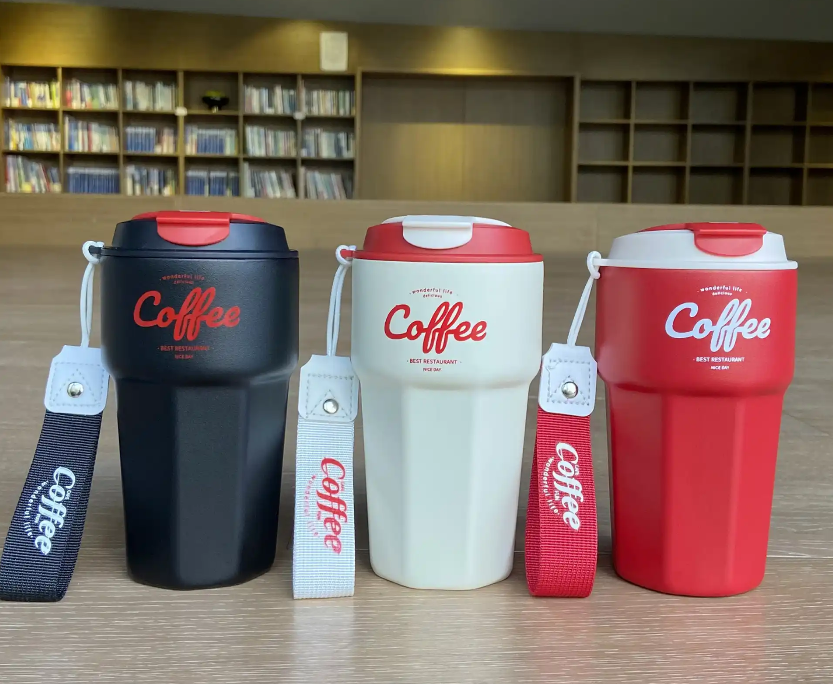
A tapered bottle is a truncated cone. Its circumference changes linearly from the base to the shoulder. A standard rotary attachment assumes a fixed diameter and a constant angular velocity. On a straight cylinder, that works. On a taper, the surface travel per degree of rotation is different at every height. The bottle rotates at the same speed, but the ink spacing changes because the surface is moving at a different linear velocity. The result is a density gradient—the print looks stretched or compressed depending on where you look .
Tapered Bottle Printing – How Compensation Works
Modern rotary RIP software models the tapered bottle as a frustum. It calculates a local scaling factor for every vertical row of the image. The formula is straightforward: the local circumference at any height determines the horizontal scale, and the software stretches or compresses each row to match. The print controller adjusts the pixel width dynamically during the job . Some systems use a linear taper model with top and bottom diameters entered before printing. Others use automatic measurement to detect the profile. Either way, the goal is the same: match the surface travel at every point .
What the Machine Must Do
Three things matter for tapered bottle printing. First, the rotary attachment must support taper angles. Typical industrial systems handle up to 7° for beverage bottles, while some high-throw machines support 13° or more . Second, the RIP software must have taper compensation built in, not as an afterthought. Third, the fixture must hold the bottle securely without slipping—a loose bottle on a taper creates unpredictable distortion . A rotary UV printer that handles these three requirements can print seamless 360° designs on tapered bottles with uniform color and no visible seam.
What to Test
Before buying, test your actual bottle. Check the color density at the base and at the shoulder. Print a design with a solid color block that spans the full height. If the color is uniform from bottom to top, the taper compensation is working. If it fades or darkens, the machine needs adjustment. A professional UV printer supplier should be able to demonstrate this on your product. For more information about UV printing technology, visit Printing United.