Technological Evolution: The Mainstream Path from Analog to Digital
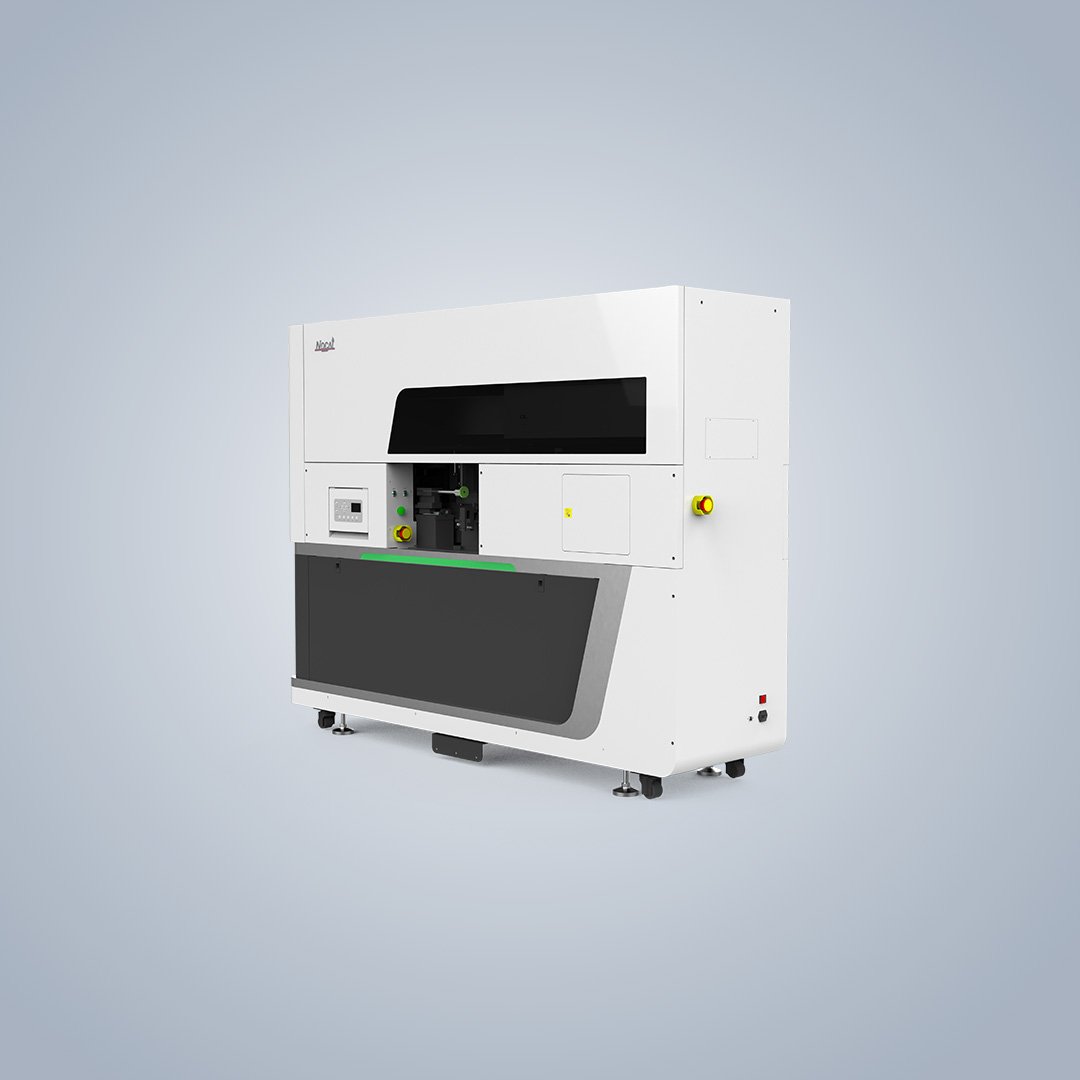
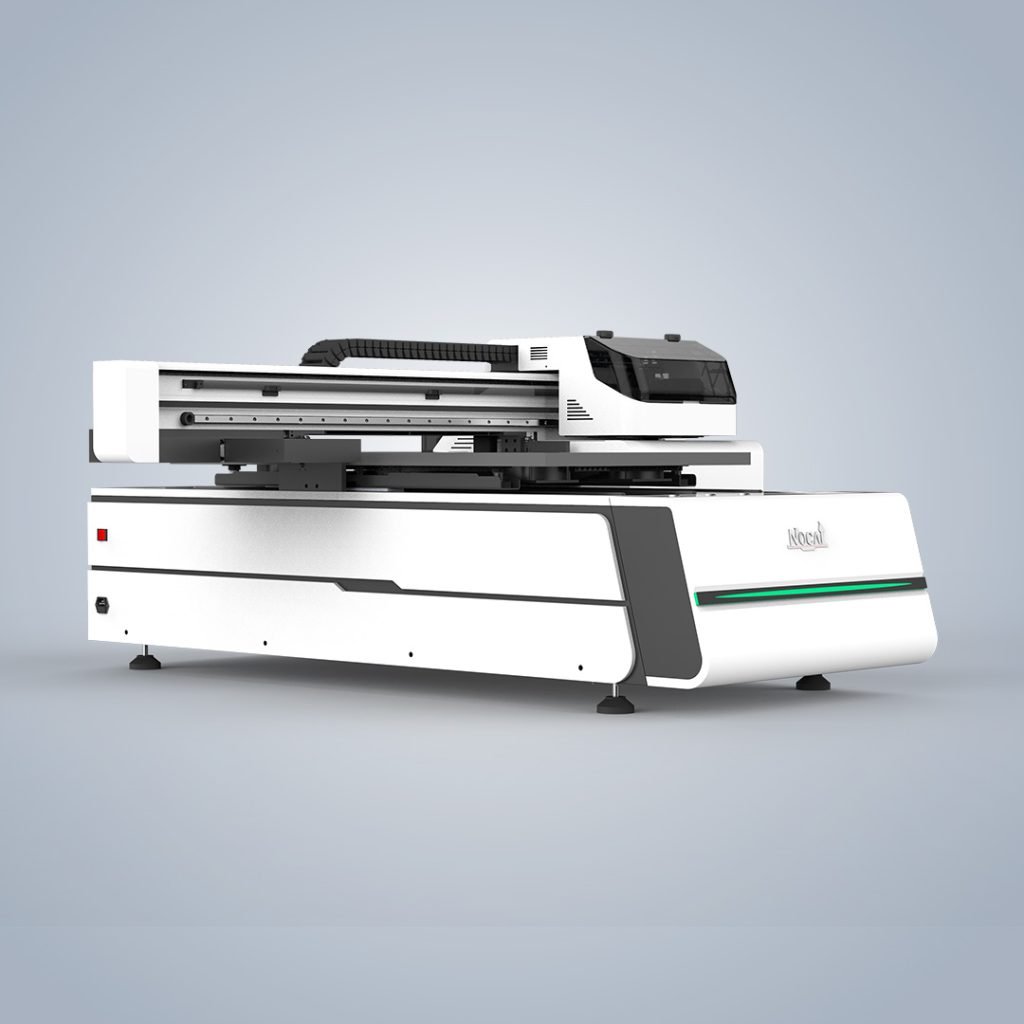
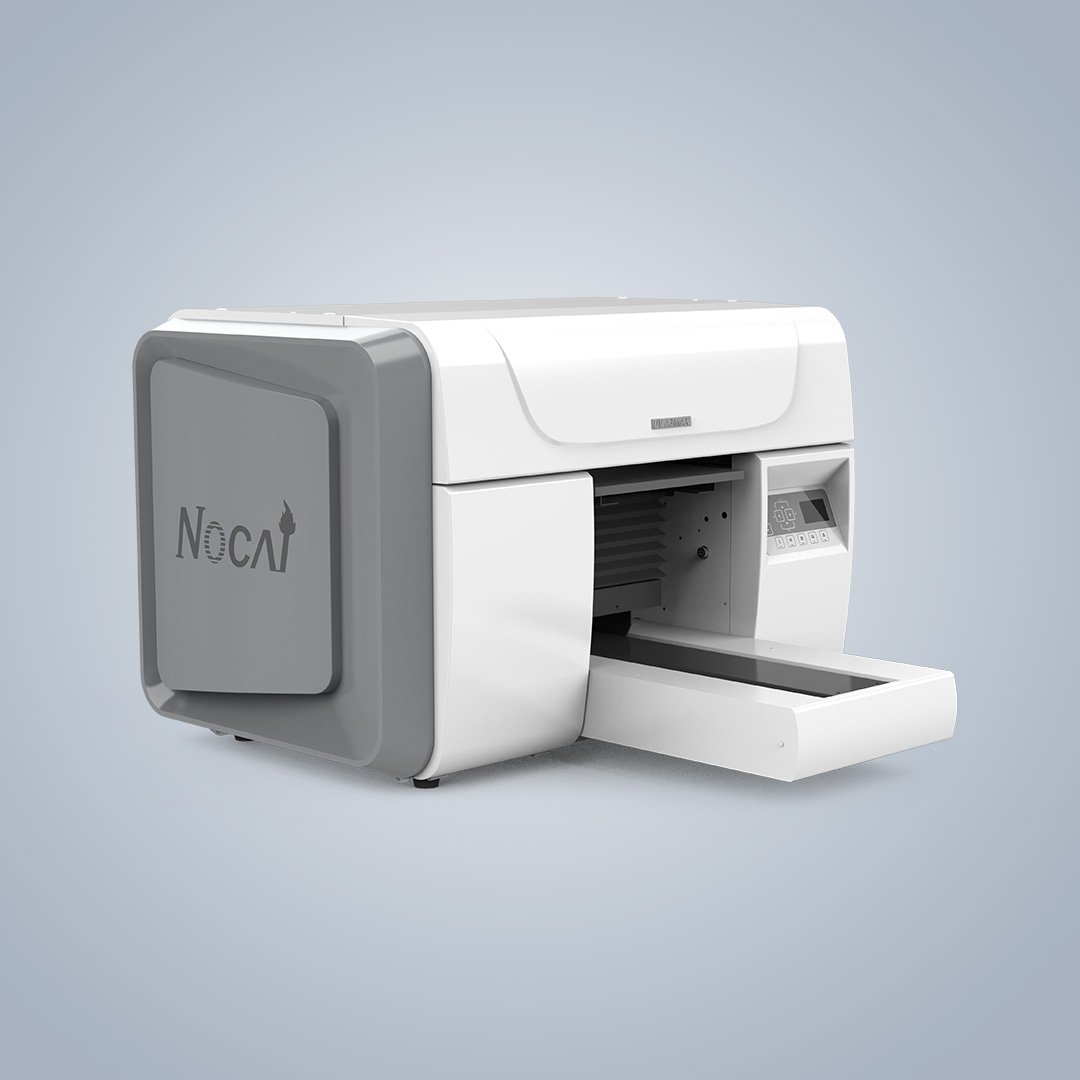
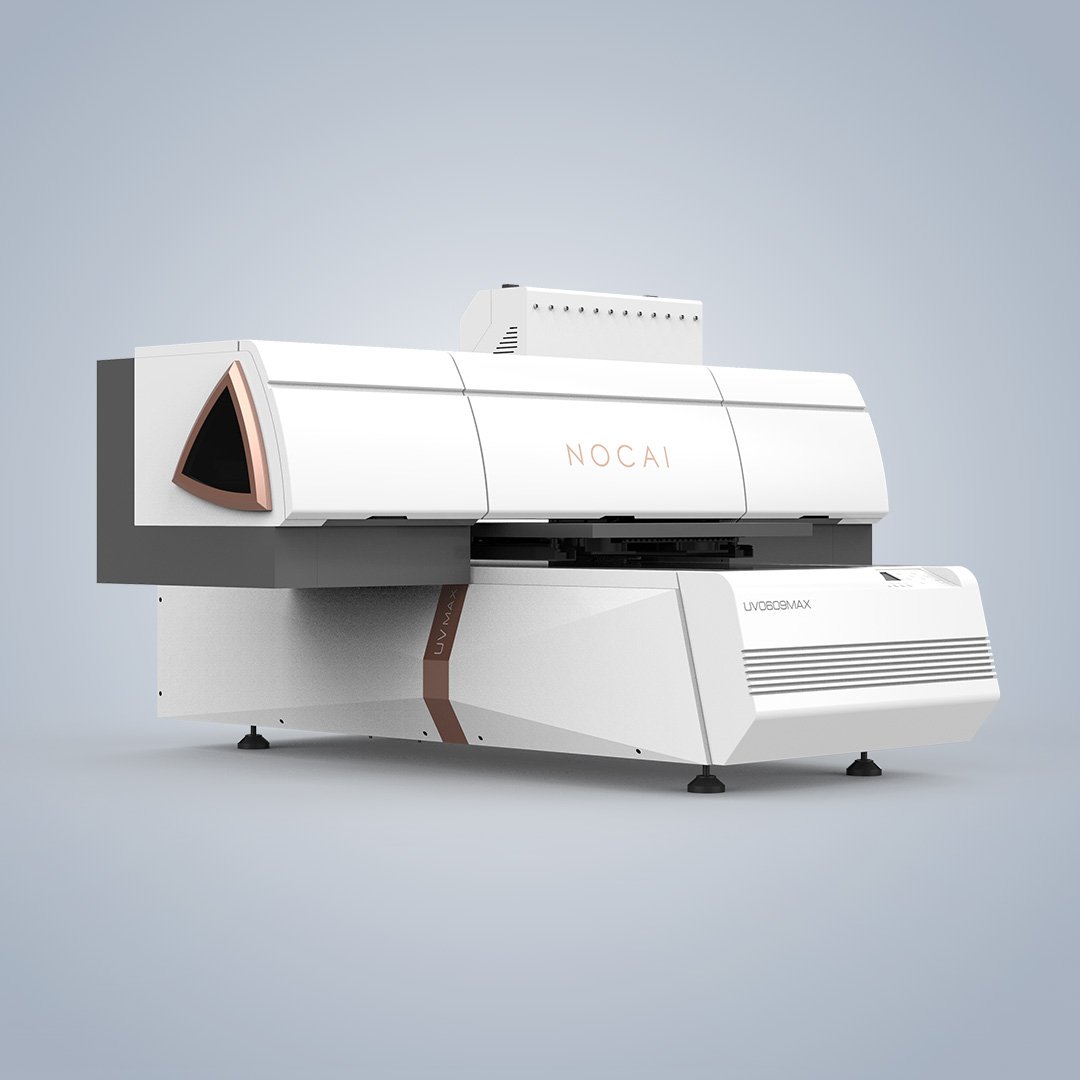
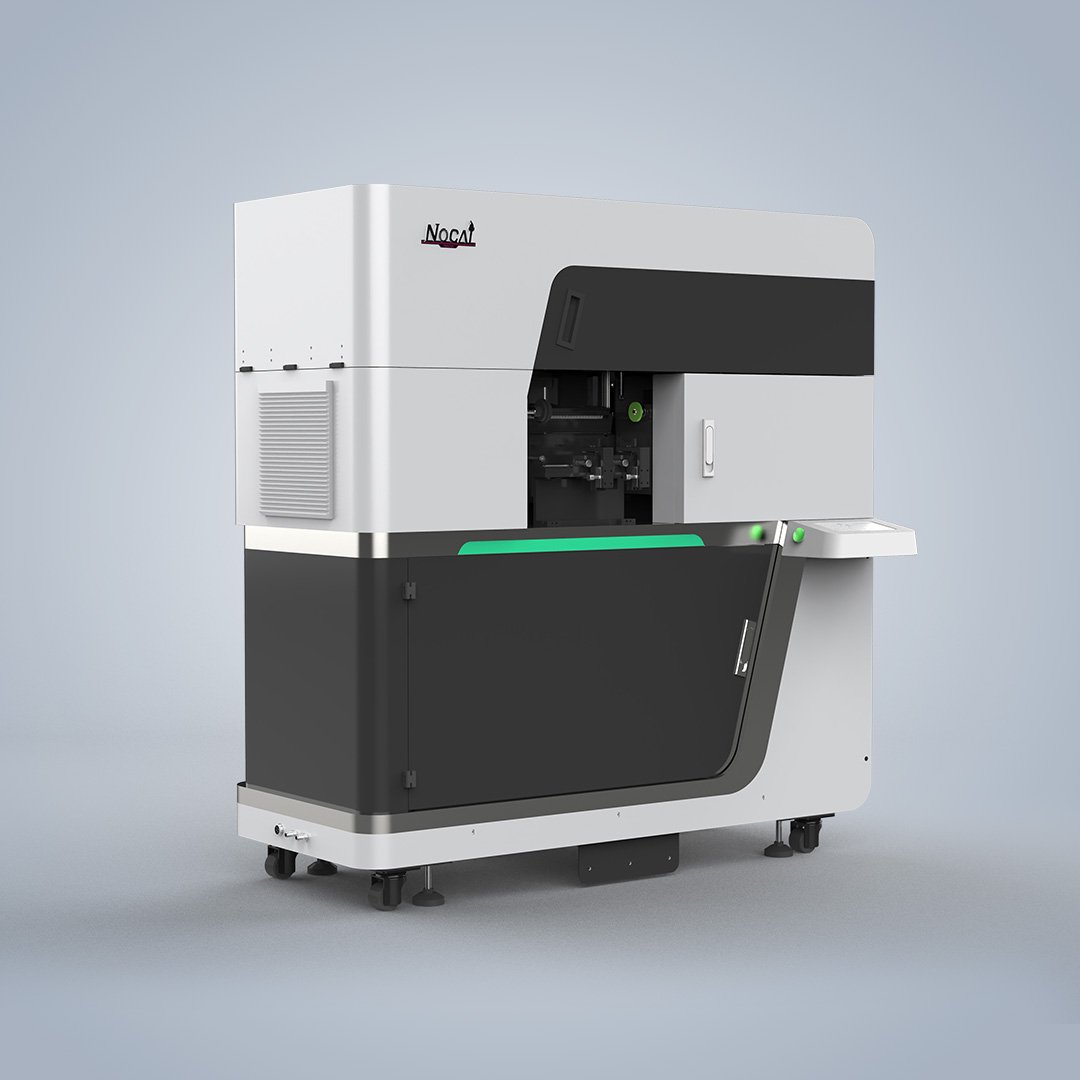
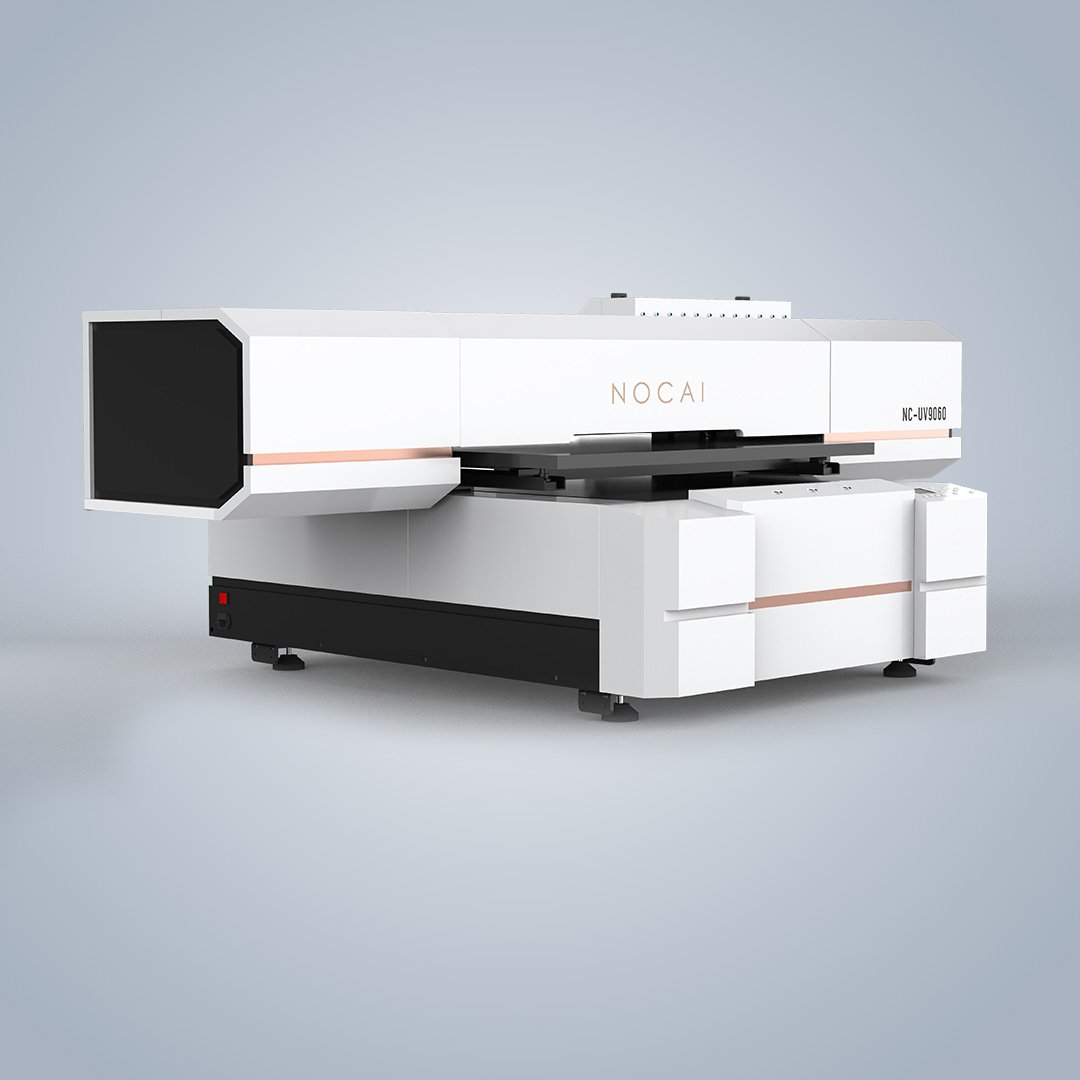
Cylinder printing technology is undergoing a rapid transformation from traditional analog printing to digitalization, and the UV printer is at the heart of this shift.Conventional rotary screen printing and gravure printing have long dominated mass production. But in the face of small-batch, high-mix, and fast-response market demands, the advantages of digital UV printer systems are becoming increasingly evident.
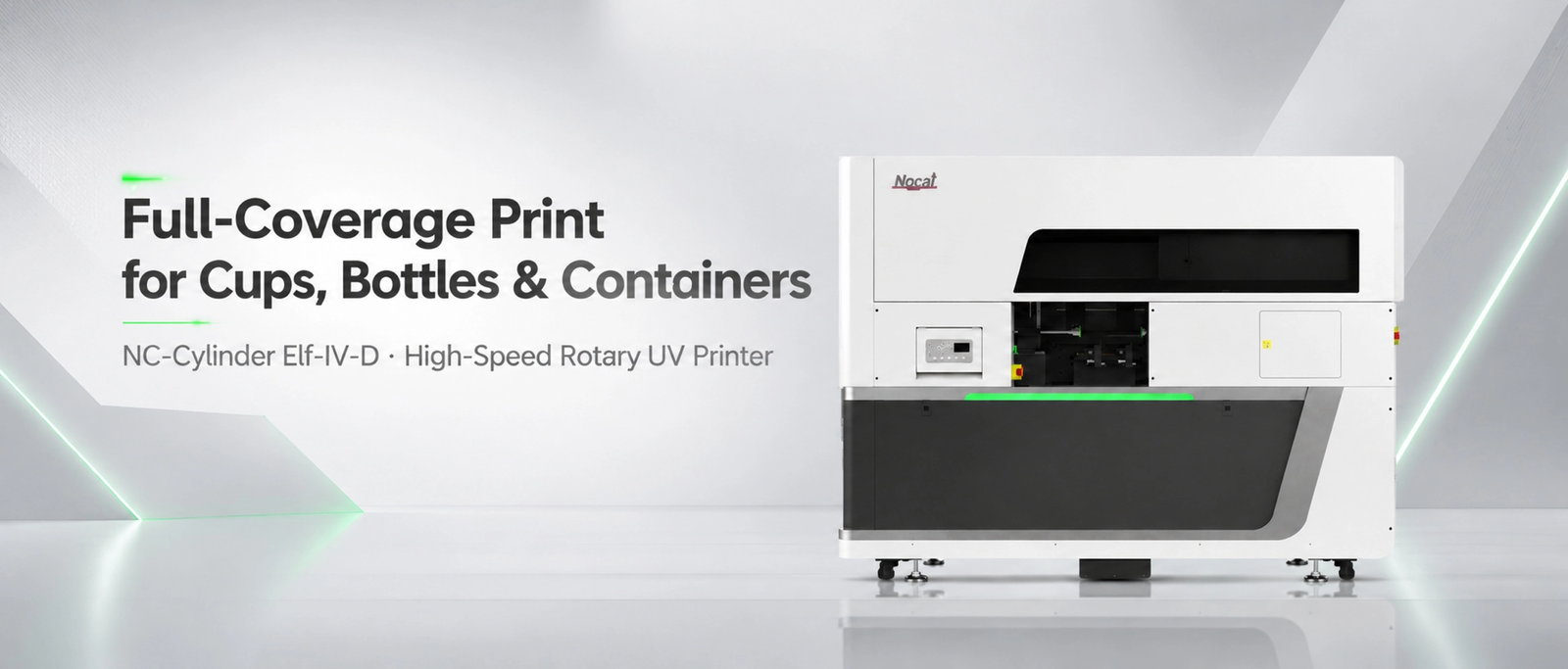
The key drivers propelling digital cylinder printers into mainstream production include:
-
Efficiency and Cost Optimization
Industrial UV printing solutions deliver significant advantages in changeover time. Traditional screen printing lines require 2–4 hours for changeover. Digital solutions take just minutes. This saves approximately $1,200 in downtime costs per changeover. A South Asian cosmetic bottle factory switched from four screen printing lines to a digital solution. They reduced changeover time from 45 minutes to 3 minutes. They also saved 28,000 square meters of label inventory annually. Digital systems eliminate plate-making costs entirely. They enable production from a single piece. Traditional screen printing typically requires minimum order quantities of 5,000–10,000 units.
-
The “Zero-Label” Environmental Trend
Removing labels and printing directly onto bottles is becoming a new trend in the packaging industry. Compared to label-based solutions, direct UV printing eliminates three layers of material—labels, adhesives, and release liners—reducing material waste by 2.8 kg per 1,000 bottles, cutting CO₂ emissions by half, and improving PET bottle recycling rates from 78% to 96%. Driven by regulations such as the EU’s Packaging and Packaging Waste Regulation (PPWR), this “mono-material” packaging approach is gaining increasing favor among brands.
-
Technology and Application Expansion
Working with a reliable professional UV printer supplier ensures access to the latest helical printing technologies. Next-generation cylinder UV printing has expanded beyond “printing on round bottles” to conical and irregularly shaped workpieces, with equipment dynamically adjusting to surface variations during printing. The technology supports PET, HDPE, glass, PC, ABS, and aluminum alloys, with ink adhesion reaching 4B–5B levels per ASTM D3359 standards. Transparent bottle printing can also be cured without UV-blocking fillers, further enhancing efficiency.
Conclusion
The transition from analog to digital is fundamentally a shift in production logic—from “mass standardization” to “small-batch personalization.” For packaging producers, this is not merely an equipment upgrade, but a strategic opportunity to capture market growth and reshape competitiveness. And when it comes to long-term reliability, choosing the right UV printer manufacturer makes all the difference—ensuring your rotary printing capability remains robust, upgradeable, and profitable for years to come.