UV Flatbed Printer Buying Guide: What to Look For in 2026
The UV flatbed printer market has evolved significantly in recent years. With advancing technology, expanding material compatibility, and growing demand for customization, choosing the right machine in 2026 requires careful consideration. Whether you are starting a new printing business or upgrading existing equipment, this guide will walk you through the key factors to evaluate before making a purchase. A well-chosen UV Flatbed Printer can transform your production capabilities and open new revenue streams.
Printing size and table size
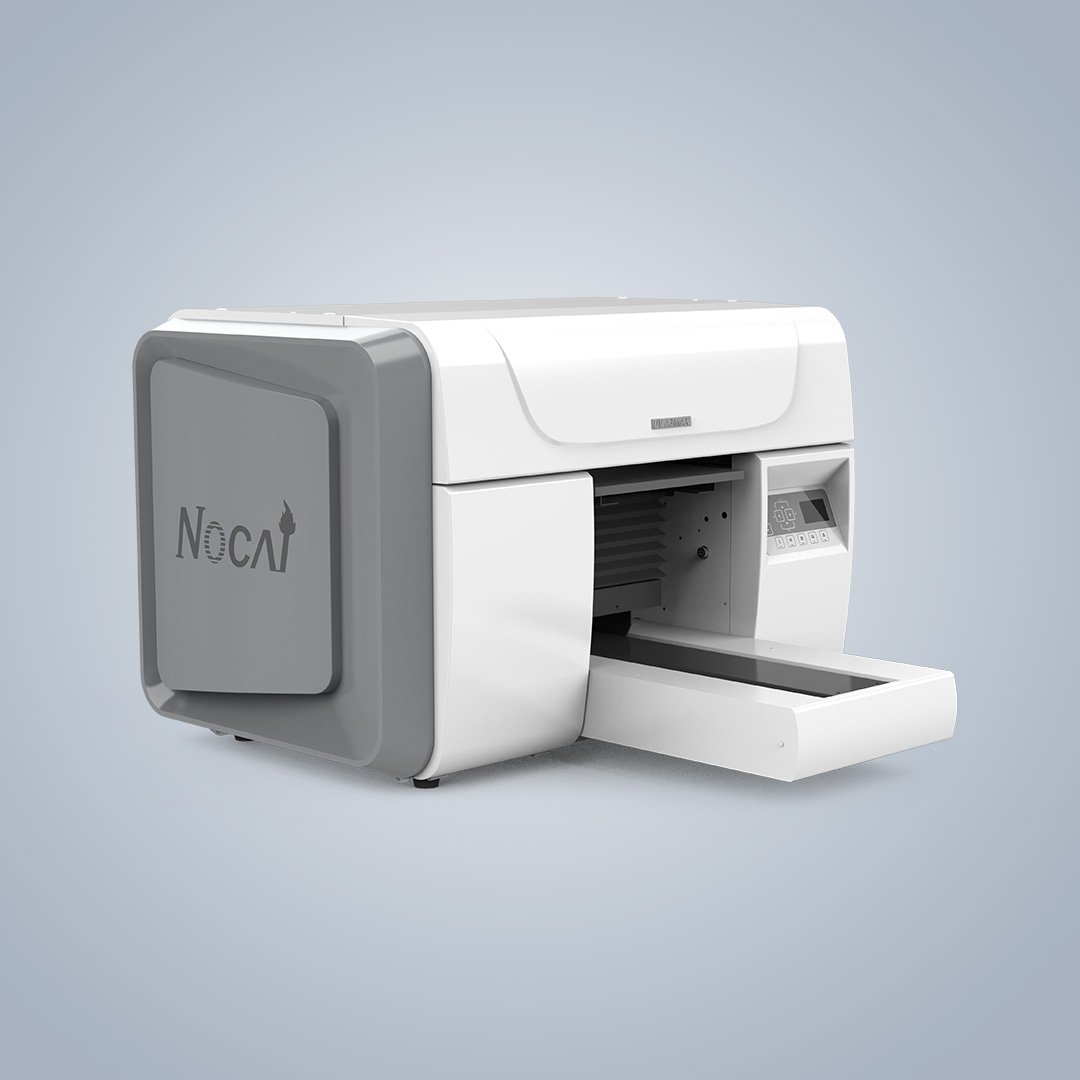
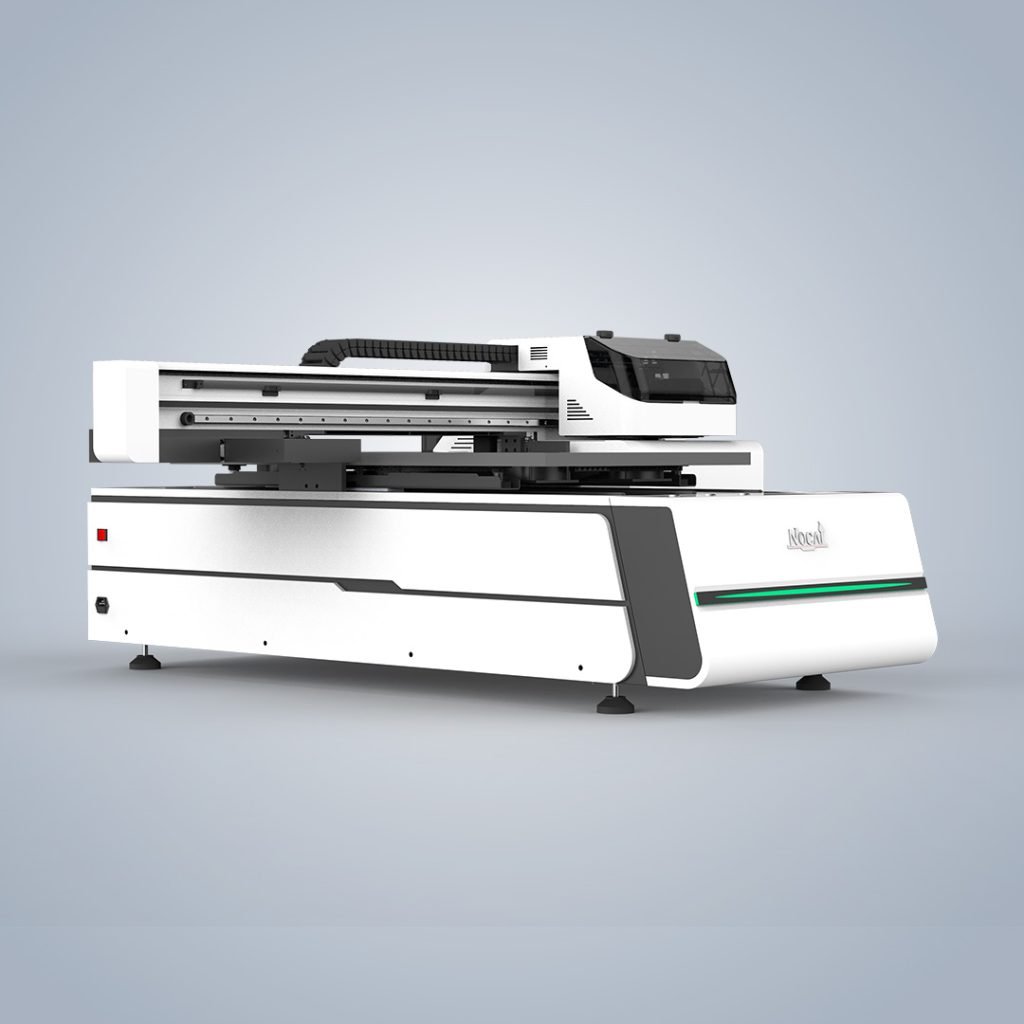
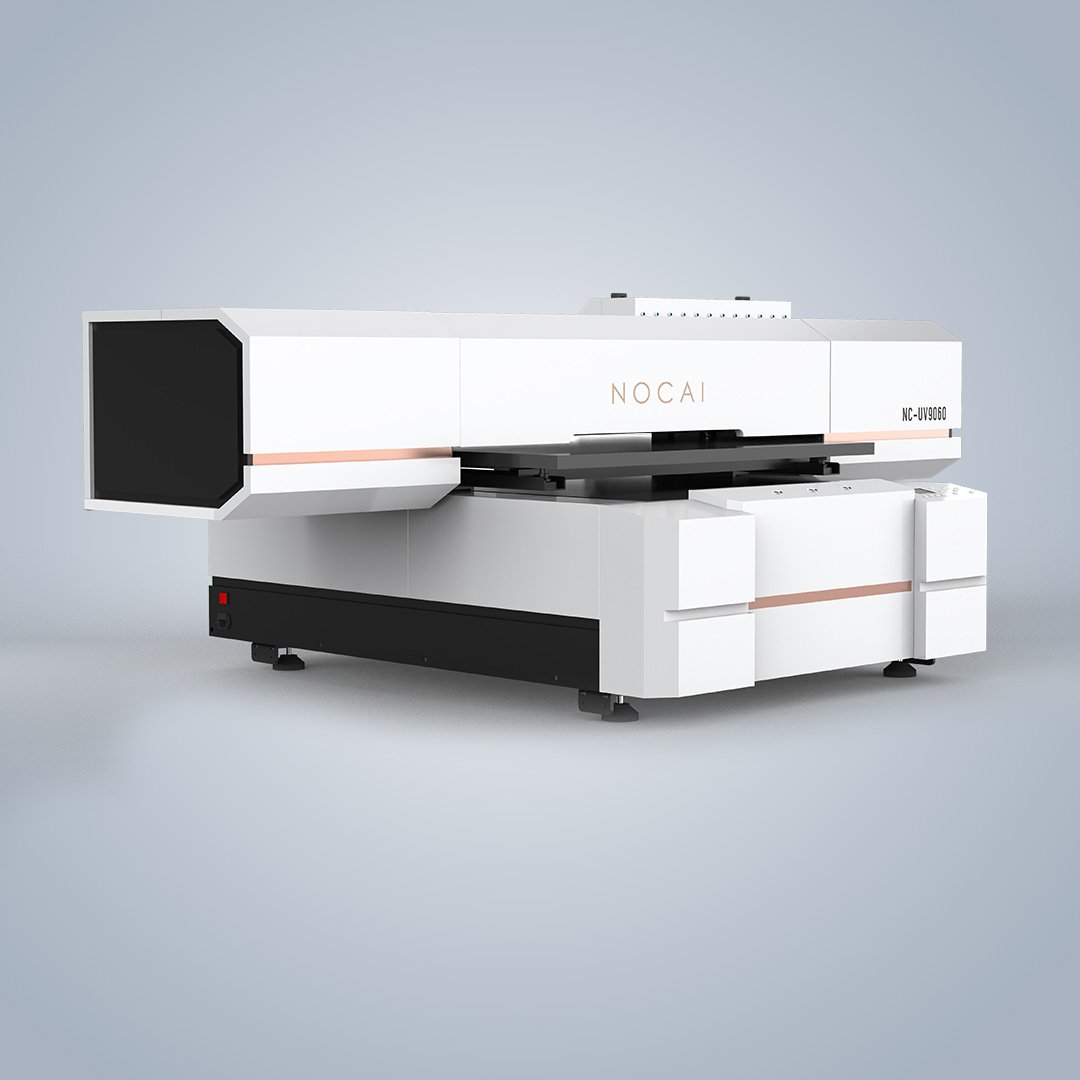
The size of the printing table determines the maximum material dimensions you can handle. Measure your most common material sizes and consider future needs. If you plan to print large signage or industrial components, choose a machine with a table that accommodates larger formats. If you focus on promotional items and small parts, a compact model may suffice and may offer a more accessible entry point with a digital UV printer designed for smaller workspaces. Also check the maximum material thickness the printer can accept, which affects your ability to print on thicker substrates.
Printhead technology and resolution
The printhead is the most critical component of any UV printer. It directly affects print quality, speed, and reliability. Look for printers with high-precision printheads that deliver resolution above 1440 dpi for sharp details and smooth gradients. Consider the number of printheads as well, more printheads generally mean faster production speeds. Ask about printhead lifespan and replacement costs, as this is one of the most expensive maintenance items. A reliable UV printer manufacturer will offer clear information about printhead specifications and expected longevity.
Ink configuration and color options
Standard CMYK configuration works for most applications, but adding White ink and Varnish significantly expands your capabilities. White ink allows printing on dark or transparent materials, while varnish adds protective coating and premium textured effects. Some printers offer additional colors like Light Cyan and Light Magenta for even smoother gradients. Also check whether the printer supports flexible inks for materials that bend. Understanding your typical applications will help you choose the right ink set from the start.
UV LED curing system
UV LED technology has largely replaced traditional mercury lamps in modern printers. LED systems offer longer lifespan, lower energy consumption, less heat generation, and instant on/off capability. This allows printing on heat-sensitive materials like thin plastics and certain films. Check the LED lamp power and cooling system — inadequate cooling can reduce lamp life and affect curing consistency. Providers of industrial UV printing solutions typically emphasize LED technology as the standard for modern production environments.
Software and workflow integration
User-friendly RIP (Raster Image Processor) software is essential for color management, production automation, and workflow efficiency. Look for printers that come with reliable RIP software or support major third-party options. Features like automated color calibration, nesting, and variable data printing can significantly improve daily productivity. Also consider connectivity — whether the printer easily integrates with your existing design and production software.
Build quality and stability
A UV printer is a long-term investment. Check the machine’s frame construction, rail system, and overall build quality. Sturdy construction reduces vibration during printing, which directly affects print quality. Look for features like linear motors, precision guides, and stable table lifting mechanisms. Reading user reviews and asking about real-world performance can provide insights that specifications alone don’t reveal.
After-sales support and service
Technical support is as important as the machine itself. When your printer has issues, responsive service minimizes downtime and lost revenue. Ask about warranty terms, on-site service availability, spare parts inventory, and response times. A professional UV printer supplier should provide training, maintenance guidance, and a clear service agreement before purchase.
Total cost of ownership
The purchase price is just the beginning. Consider ink consumption rates, electricity costs, regular consumables (cleaning solution, wipers, dampers), and printhead replacement cycles. Lower-priced machines often have higher operating costs — while premium models may offer better efficiency and reliability over time. Comparing total cost of ownership across different models helps avoid surprises after purchase.
Space and installation requirements
UV printers require adequate space not just for the machine itself, but also for material storage, operator movement, and maintenance access. Check power requirements — some industrial models need 380V three-phase power. Also consider ventilation, temperature, and humidity control in your workspace.
Test before you buy
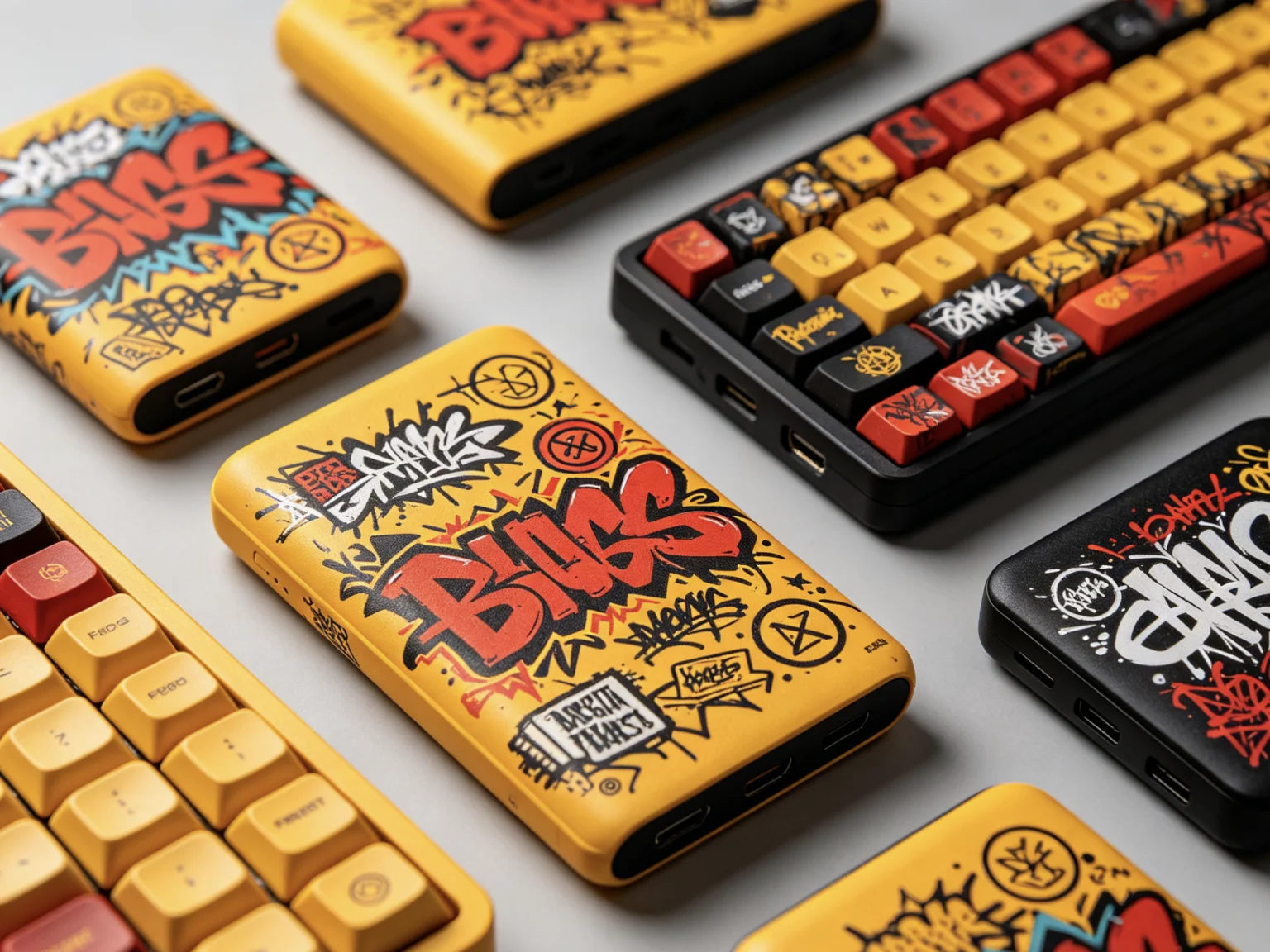
Whenever possible, request a demonstration or sample print. Seeing the machine in action — and evaluating print quality on your own materials — provides confidence in your decision. Ask about the materials you print most often and check results for color accuracy, adhesion, and fine detail.
Final thoughts
Buying a UV flatbed printer in 2026 is a significant investment that requires careful research. By evaluating print size, printhead technology, ink configuration, LED curing, software, build quality, after-sales support, and total cost of ownership, you can make a confident decision. The right printer not only meets your current needs but also supports future growth.
Ready to find the perfect UV flatbed printer for your business? Contact us today. We’ll help you compare options, understand costs, and choose the machine that best fits your production goals. We respond within 24 hours with practical advice and personalized recommendations.