UV Glass Bottle Printing – Practical Guide
UV glass bottle printing used to be a headache. Screen printing required expensive plates, and labels often peeled off after a few washes. UV printing changed that. With the right setup, you can print full-color, scratch-resistant designs onto curved surfaces in minutes, without any minimum order quantity.
UV Glass Bottle Printing – How the Rotary Attachment Works
The process itself is straightforward. A standard UV flatbed printer has a flat bed, which works fine for phone cases or acrylic sheets, but bottles are round. To print on a cylinder, you need a rotary attachment. The bottle sits on a rotating axis, and as the printhead moves left and right, the axis turns the bottle at a matched speed. The result is a seamless 360-degree print. For straight cylinders this is simple. For tapered bottles like perfume bottles, the rotation speed must change as the diameter changes, so it is worth confirming with your supplier if you plan to print tapered shapes.
UV Glass Bottle Printing – Material Comparison
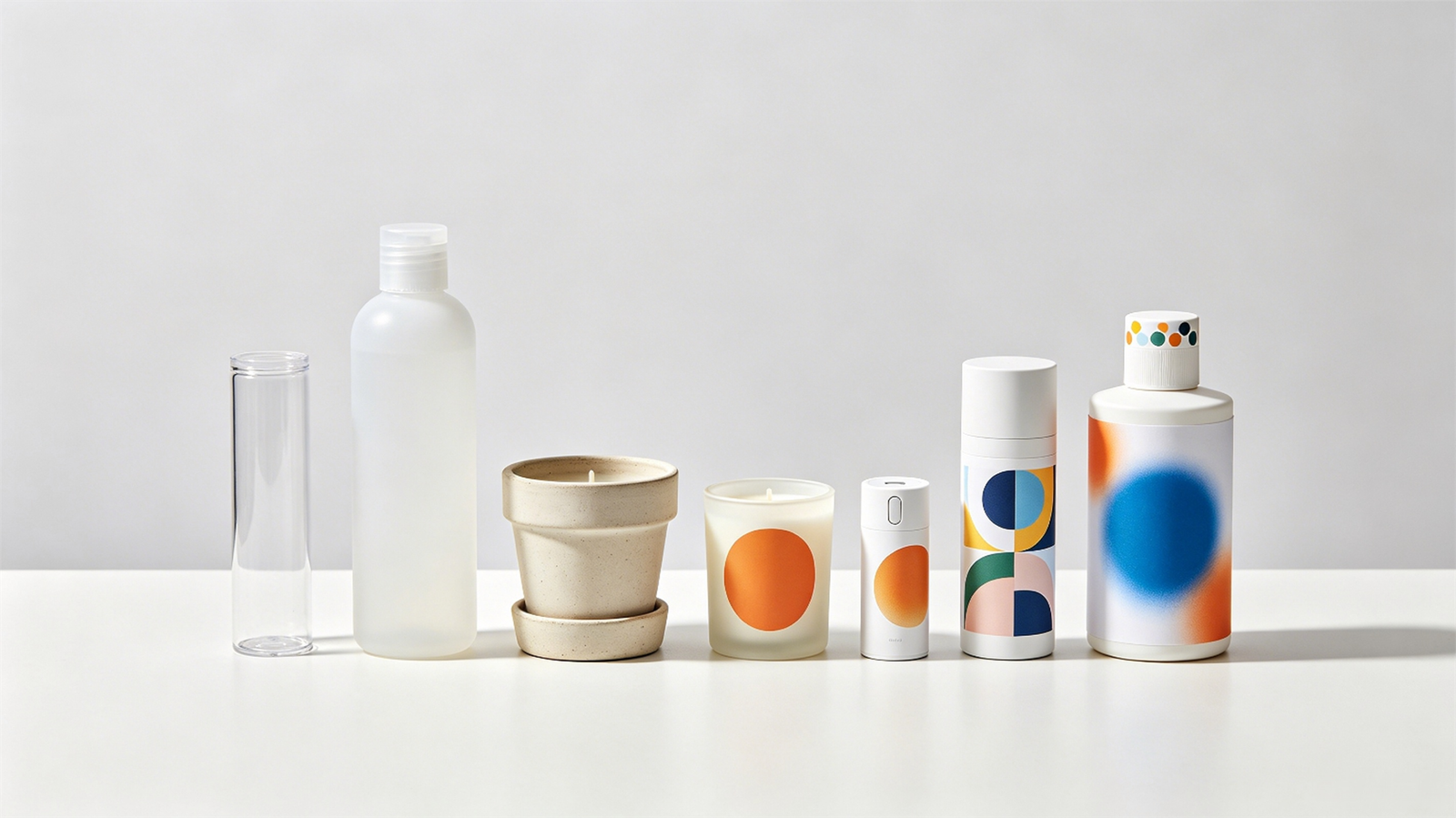
Not all bottles behave the same way. Glass is non-porous, meaning UV ink will sit on the surface and can be scratched off with a fingernail if you skip the primer. Always apply a primer coat first, as it acts as a bridge between the glass and the ink. Plastic bottles, especially PET, PE, and PP, have low surface energy, so ink struggles to stick. Flame treatment, plasma treatment, or a special primer is often needed. Metal bottles are the easiest of the three. UV ink adheres well, and the results are durable, which is why printed metal water bottles are everywhere as promotional gifts.
In our experience, glass takes the most preparation. Metal is the easiest. Plastic depends on the type.
What to Look for in a Machine
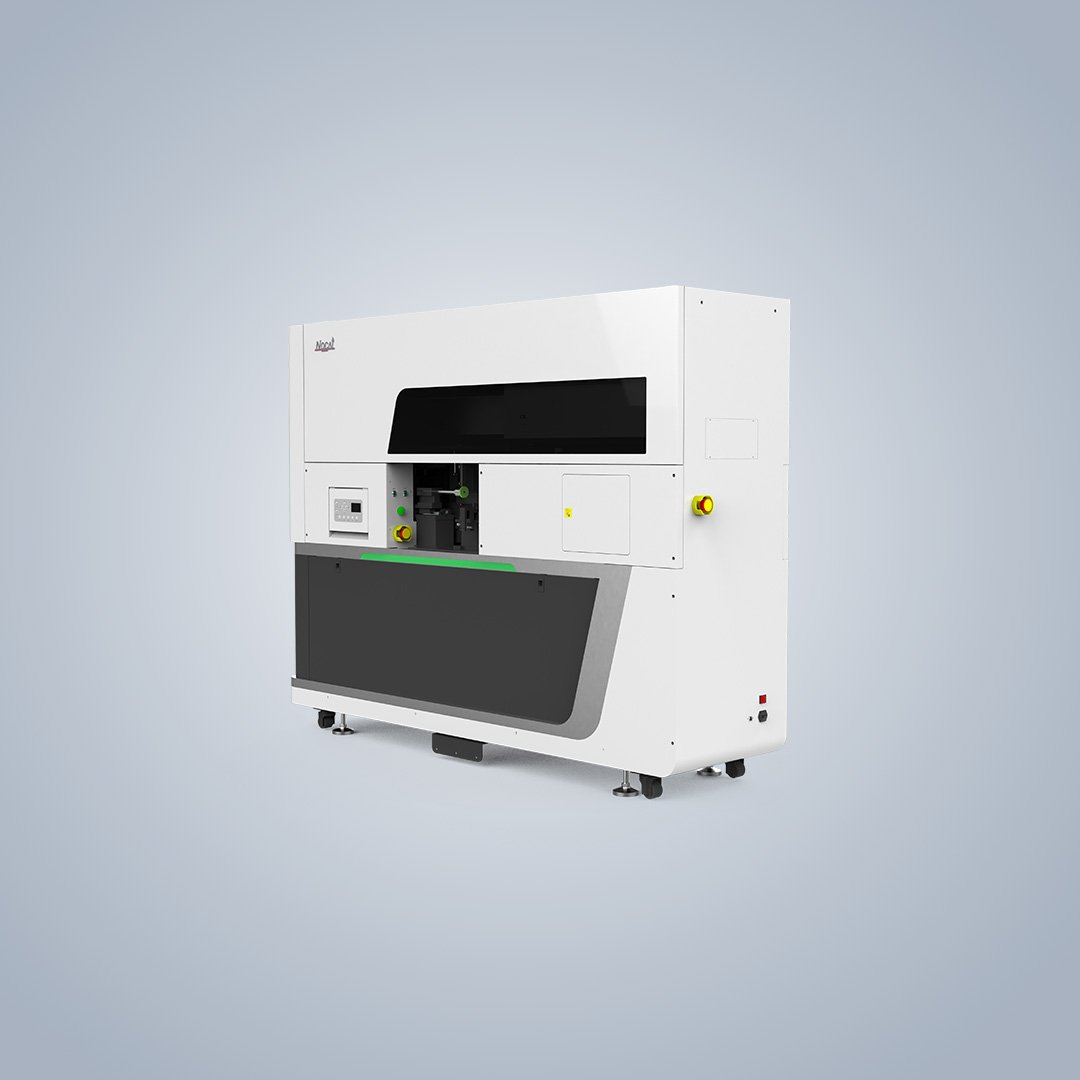
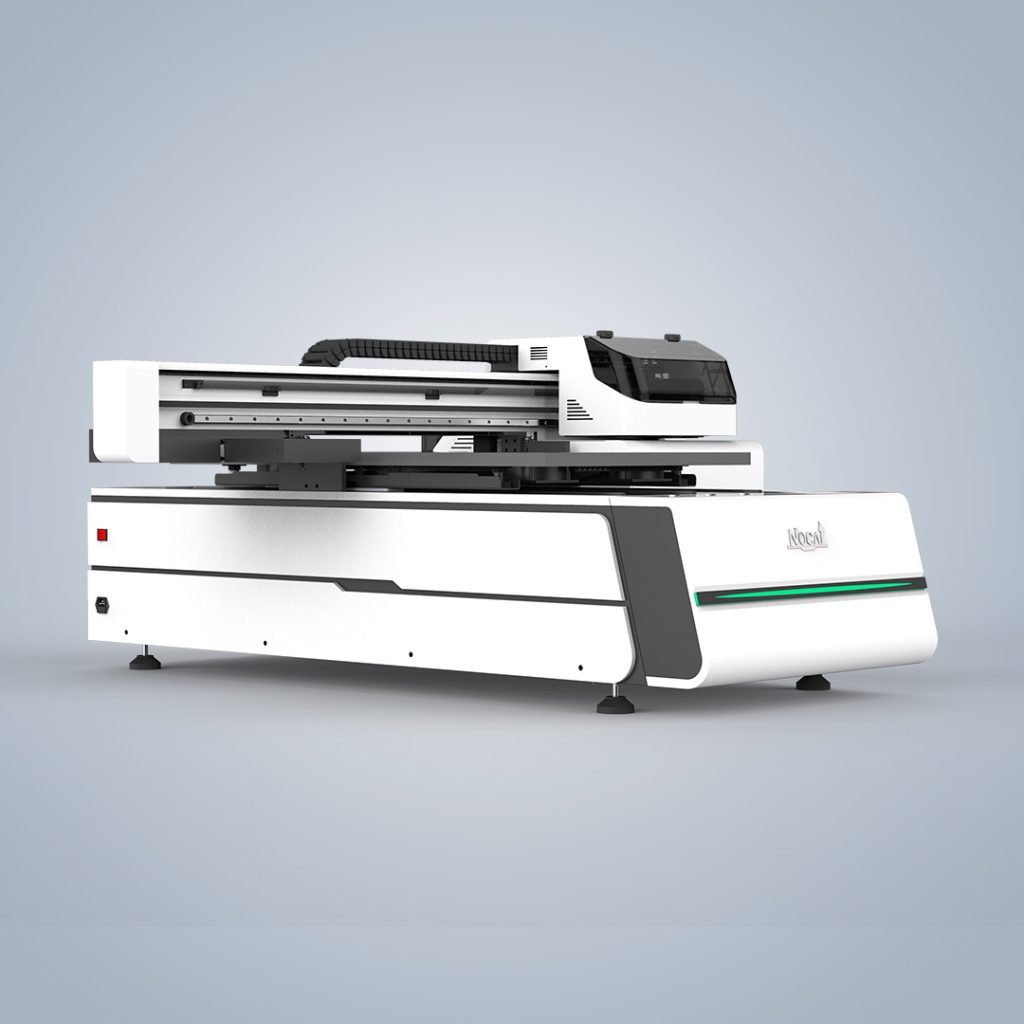
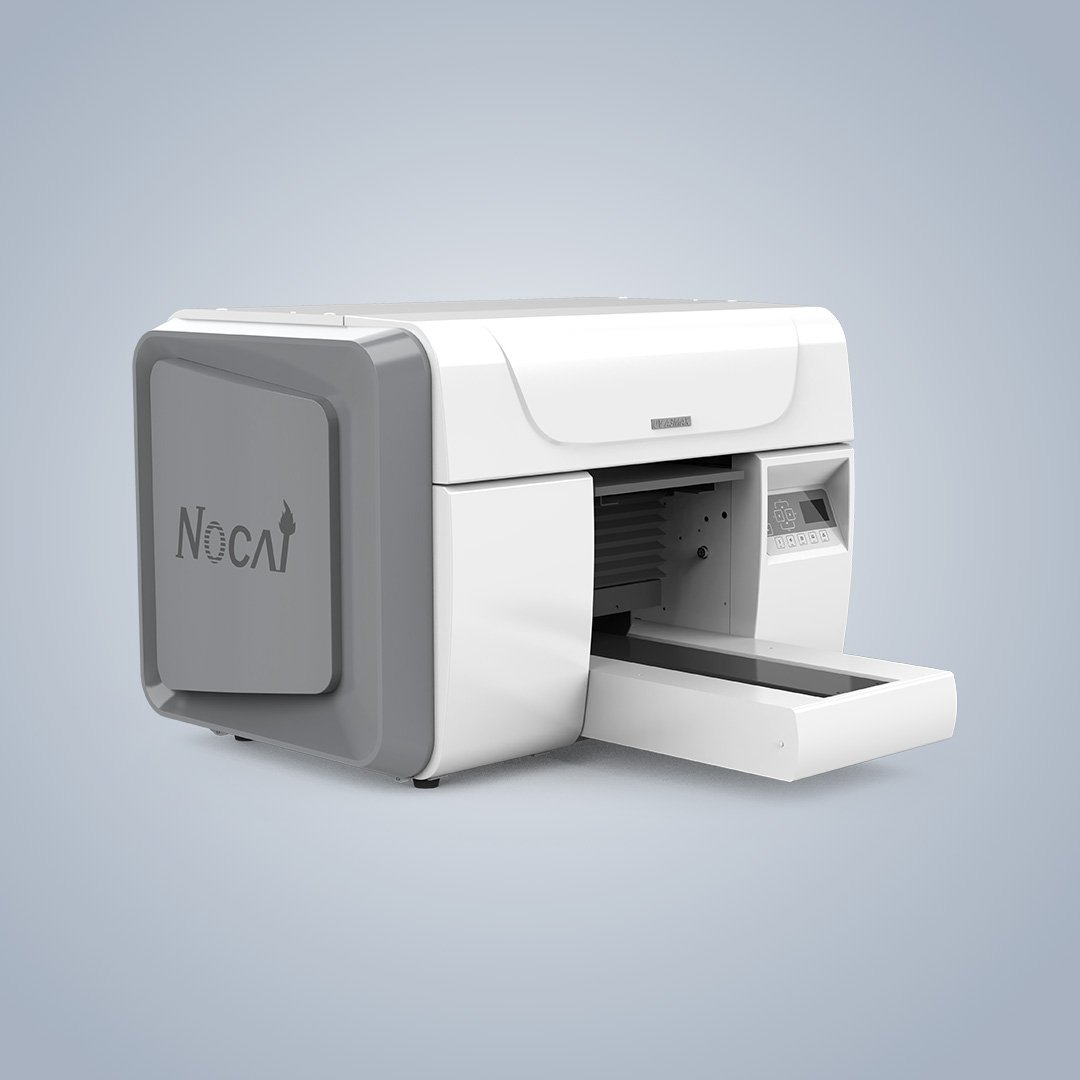
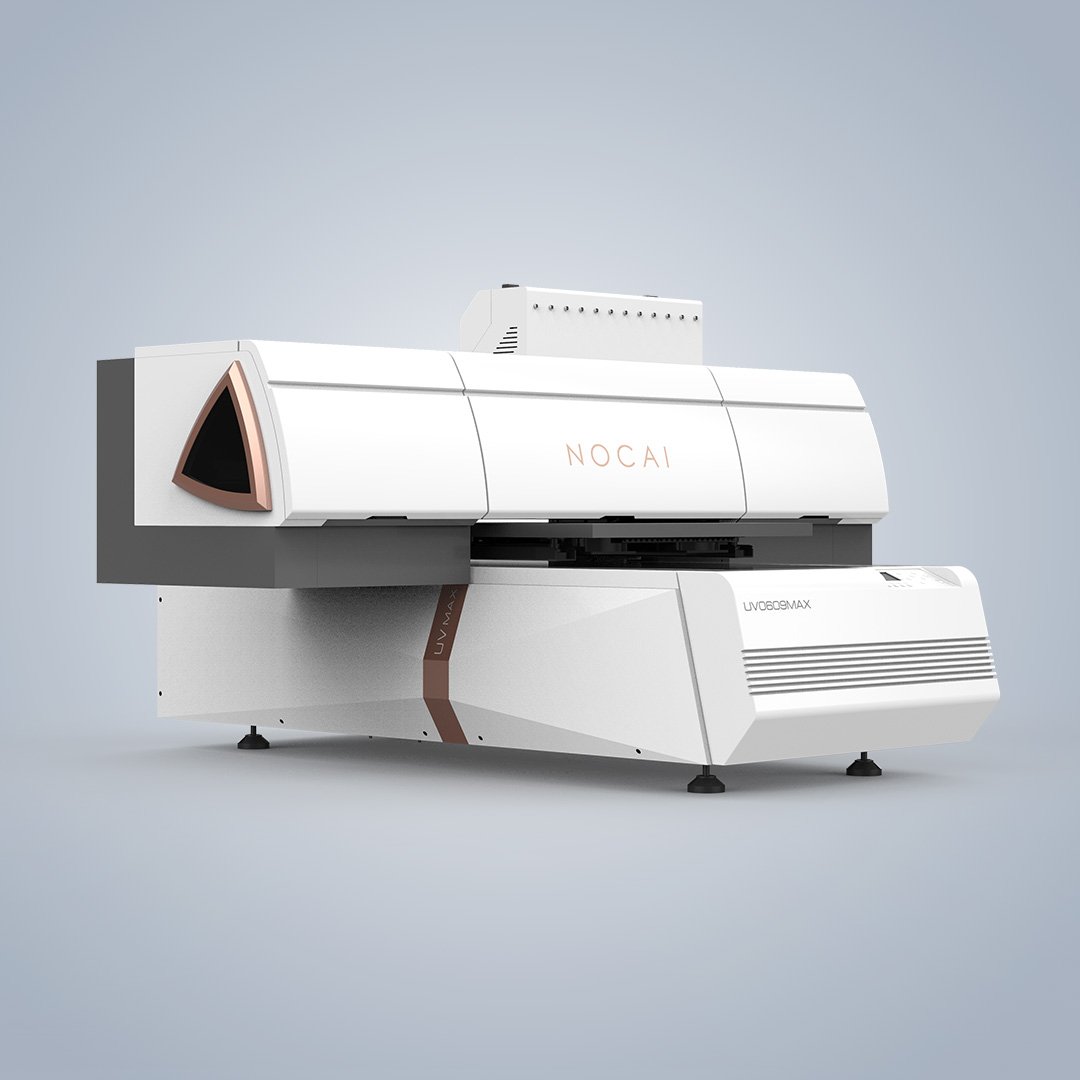
If you are shopping for a bottle-printing UV machine, do not just look at the printhead brand. Check whether the machine includes a rotary attachment and what minimum and maximum diameter it can hold. If you print small vials and large wine bottles, you may need two different fixtures. Also check the Z-axis height, because tall bottles need clearance. For ink configuration, a White plus CMYK plus Varnish setup is ideal. White ink lets you print bright colors on dark bottles, while varnish adds a protective layer, either glossy or matte. Without varnish, the print may look flat and wear faster. Finally, the RIP software must handle cylindrical unwrapping. If it cannot adjust for diameter, the print will look stretched or compressed.
The Business Case for Bottle Printing
The business case is simple. Digital printing means you can print one bottle or one thousand, which opens the door to personalized gifts, samples, and limited editions that traditional printing cannot do economically. When primed and cured correctly, UV prints resist scratches and water, and they do not peel like labels. Changing the design is as easy as editing a file on your computer, with no plates, no screens, and no waiting. For businesses that want to add value without adding complexity, UV glass bottle printing is a practical path forward.
Common Questions
A few common questions come up often. Can you print on a tapered bottle? It depends on your rotary attachment. Standard fixtures are for straight cylinders, while tapered bottles need a system that adjusts rotation speed dynamically, so ask your supplier before you buy. How long does one bottle take? Typically one to three minutes, depending on size and design complexity, and a full wrap with white ink and varnish takes longer than a simple logo. Is the print dishwasher safe? For glass and metal, hand washing is fine if the primer and curing are correct, but commercial dishwashers are too harsh, so do not promise dishwasher safety unless you have tested it yourself. For more information about UV ink safety and food-contact standards, visit SGIA.org.
Conclusion
UV printing on bottles is a practical way to add value, reduce labeling costs, and offer customization that traditional methods cannot match. The key is matching the right rotary attachment, primer, and ink to your specific bottle type. If you are unsure whether your bottles can be printed, the best step is to test. Send a few samples to a printer manufacturer or a local printing service. Seeing the actual result on your own bottle is worth more than any specification sheet.