UV Printing on Glass Bottles – What You Need to Know
Introduction
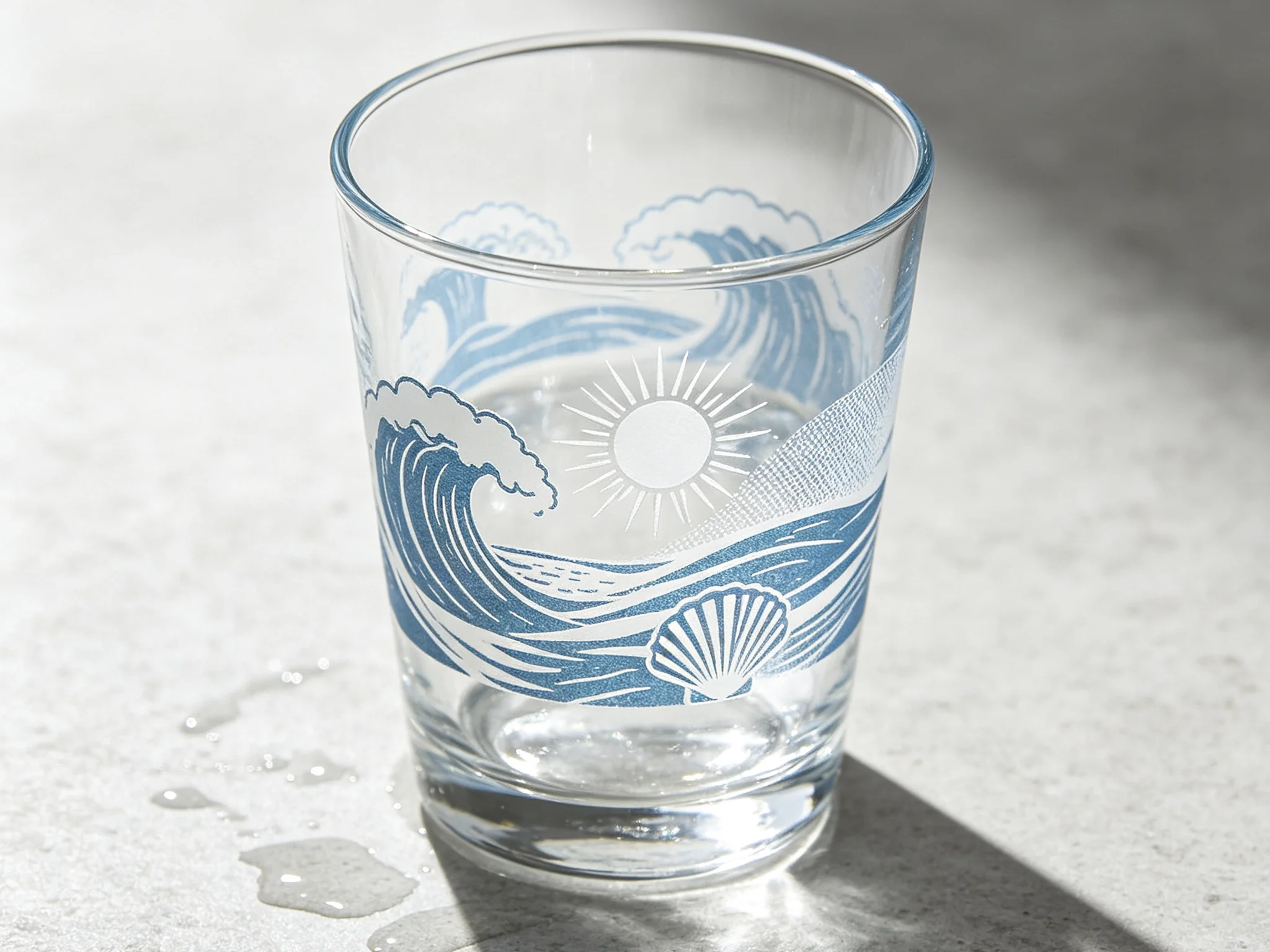
Glass bottles are one of the most demanding substrates for UV printing. The surface is smooth, non-porous, and chemically inert. Ink does not naturally bond to it. Without proper preparation and ink selection, prints can scratch off, fade, or peel during washing. But glass bottles are also one of the most valuable applications. Wine, spirits, cosmetics, and premium beverages all use glass packaging. Getting the process right opens a high-margin market.
Why Glass Is Difficult
Glass has low surface energy. UV ink needs a certain level of surface energy to adhere properly. The smooth surface also provides little mechanical grip. Mold-release agents from glass manufacturing can remain on the surface and interfere with adhesion. Condensation during printing, especially in humid environments, can also affect ink bonding. These factors make glass a challenging substrate compared to metal or plastic.
The Role of Primer
A primer is a chemical bridge between the glass surface and the UV ink. It is applied as a thin, uniform coating before printing. Some primers are applied manually with a wipe or spray. Others can be applied inline through a dedicated printhead channel, which streamlines production. A primer significantly improves adhesion, especially for prints that will be washed or handled frequently. Without a primer, even a well-cured print may fail a simple scratch test.
White Ink Underlayer
Glass is transparent. CMYK inks alone will not produce opaque colors on clear glass. A white ink underlayer is essential. The white layer blocks the background and provides a base for vibrant colors. For dark glass bottles, the white layer also prevents the bottle color from darkening the design. The thickness of the white layer affects opacity and print speed. More white ink means better coverage but slower production.
Ink Selection
Not all UV inks are formulated for glass. Look for inks specifically designed for glass and ceramic substrates. These inks offer better adhesion and durability than general-purpose UV inks. Some suppliers offer primers and inks as a matched system. Using a primer from one brand and ink from another may not deliver optimal results. A professional UV printer supplier can recommend a compatible ink and primer combination for your glass bottles.
Testing and Quality Control
After printing, test the print before shipping. Common tests include a scratch test with a fingernail or coin, a tape pull test, and a wash test. For bottles that will hold beverages, check chemical resistance to alcohol and acidic liquids. If the print fails any test, review the primer application, ink thickness, and curing parameters. Consistent quality control prevents customer complaints and returns.