Epson Q1 FY2026 Results: Strong Growth in Industrial Printing and Printhead Business
Epson reported its Q1 FY2026 results last week, with overall revenue up 14.4% to ¥367.2 billion. Net profit nearly doubled, rising 96.4% to ¥13.0 billion.
What caught my attention was the Precision Innovation segment – which includes printheads and crystal devices – up 23.5% in revenue and 62.1% in profit. Epson specifically cited strong printhead orders from China as a key driver.
The Office & Home Printing segment, by contrast, saw profit decline 21.7% despite revenue growth, squeezed by rising oil costs and component supply delays.
What this tells us
The numbers confirm what we’re seeing on the ground: industrial and specialty printing is where the growth is. Businesses are moving away from commodity paper printing and investing in equipment that can handle customization, short runs, and higher-value applications – signage, packaging, promotional products, and industrial marking.
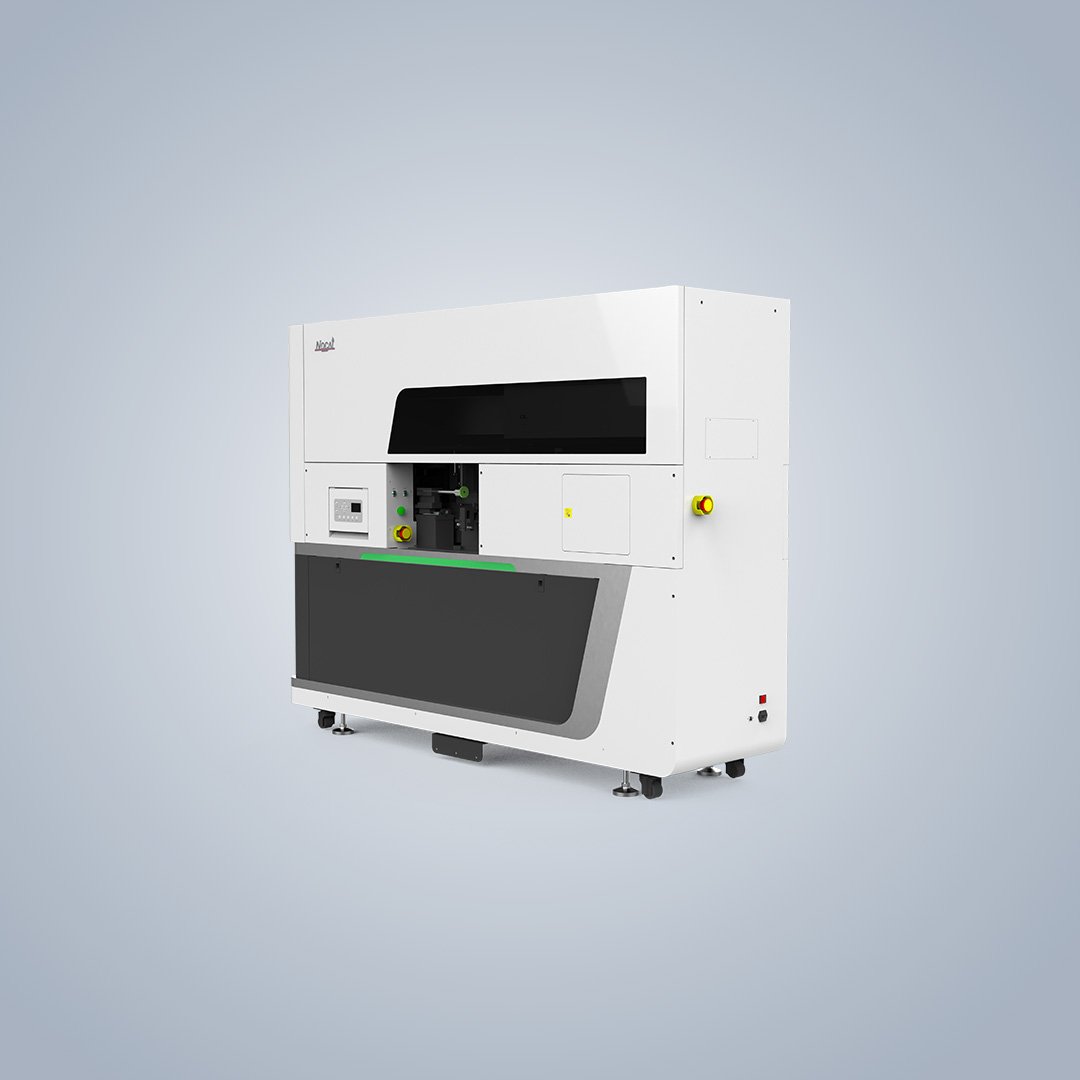
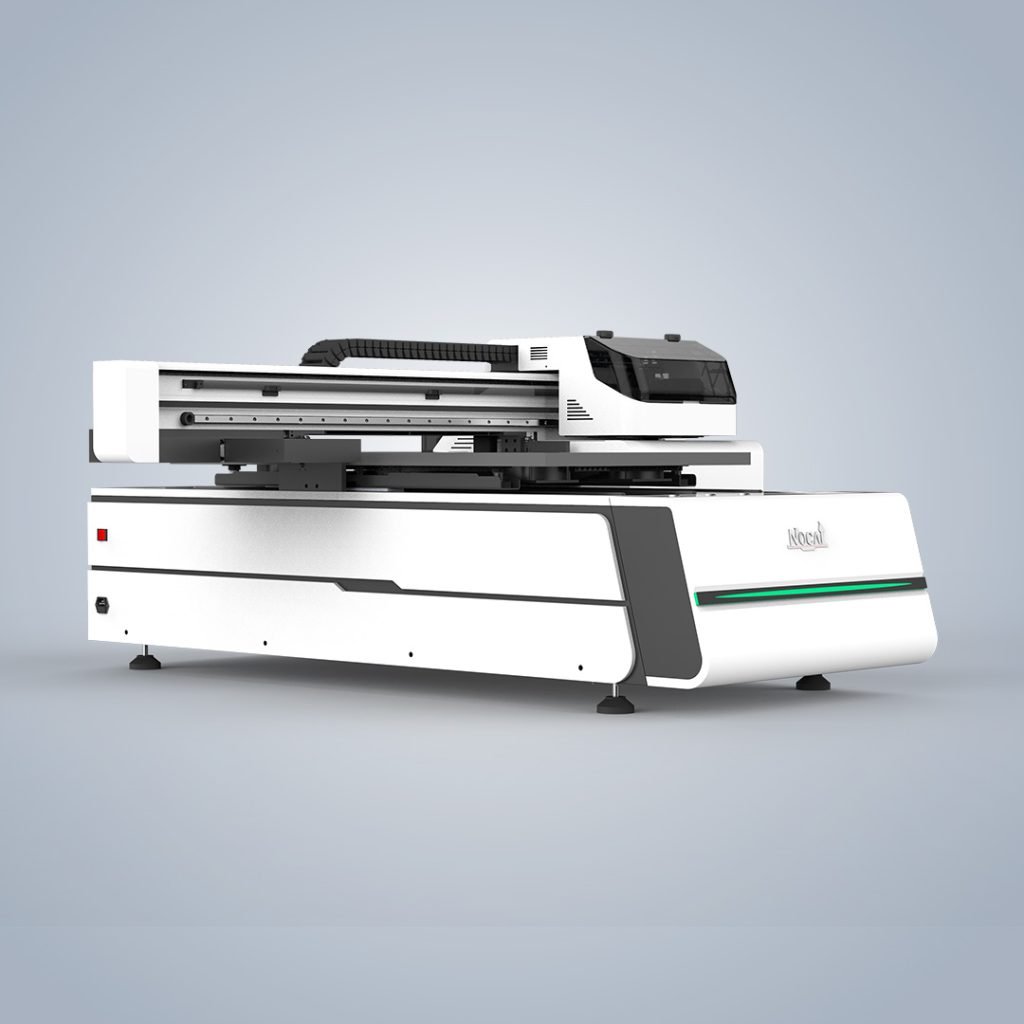
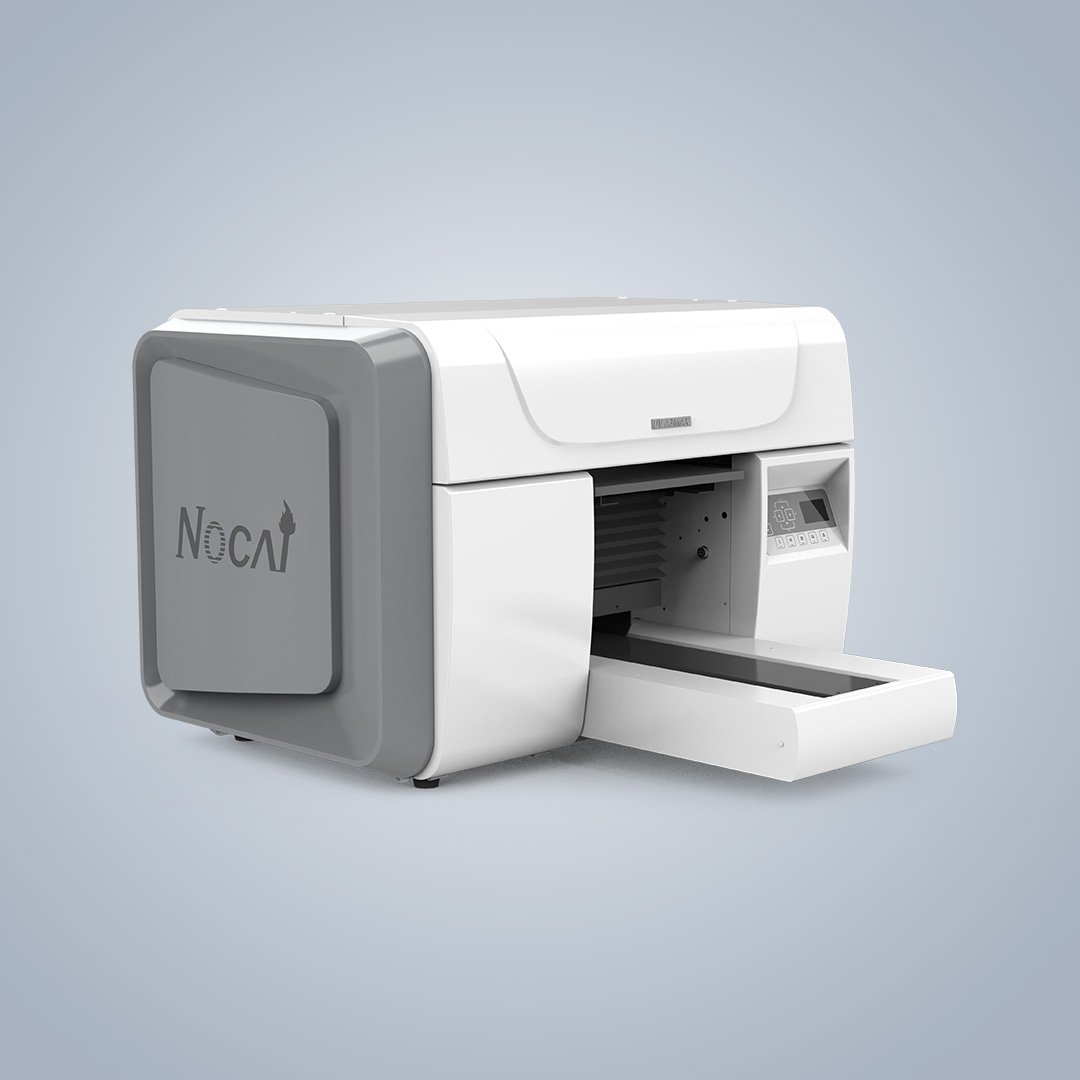
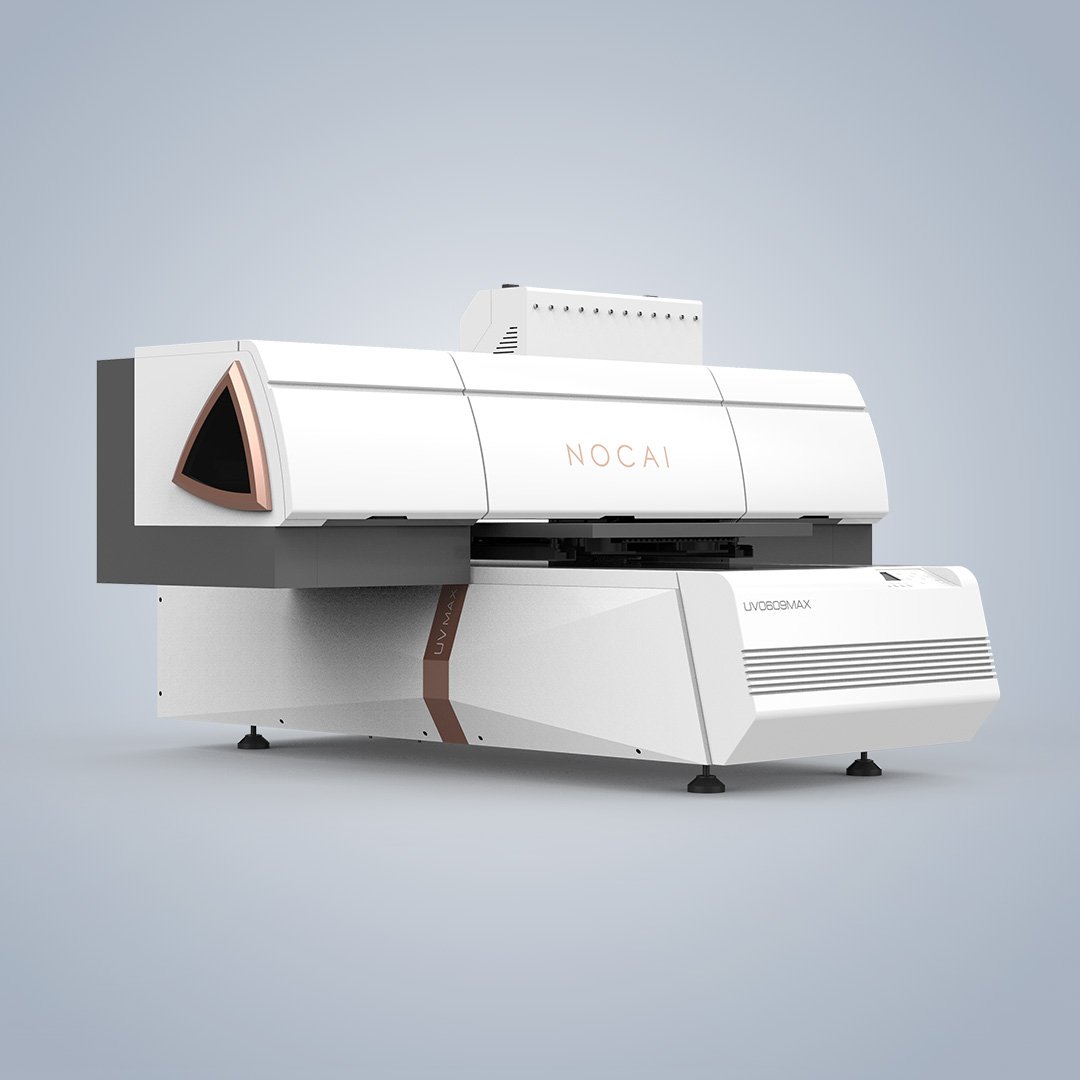
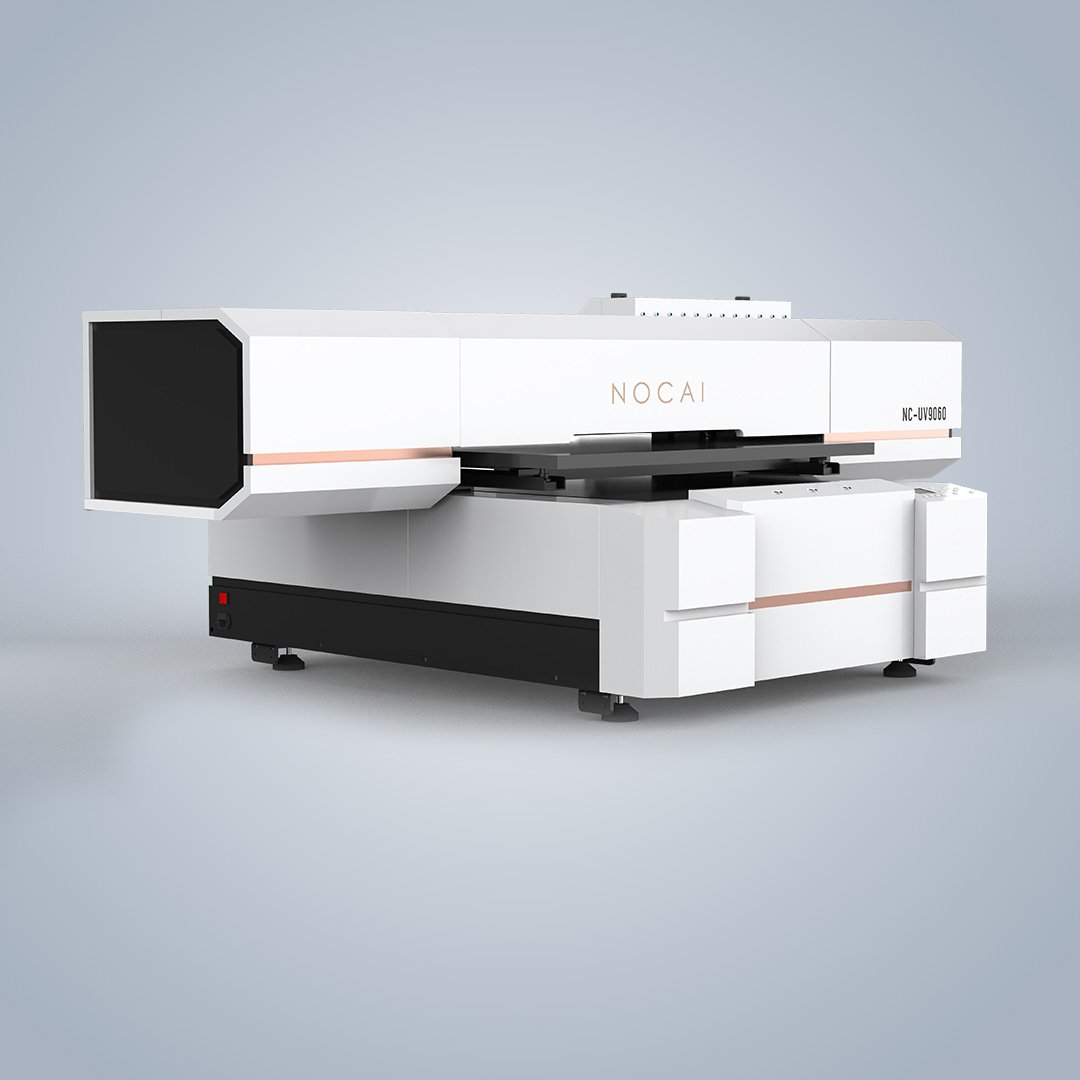
For anyone evaluating UV printing equipment, this trend matters. The same market forces driving Epson’s printhead demand – personalization, fast turnaround, and direct-to-substrate printing – are exactly what make UV flatbed printers and rotary printers relevant today.
If you’re considering adding UV printing capability, the economics are increasingly favorable. Lower entry costs, better ink adhesion, and wider material compatibility mean more opportunities for shops of all sizes.
Epson’s numbers are one data point, but they point to a broader trend. Industrial UV printing solutions are not a niche anymore. As digital UV printer technology continues to mature, more businesses are adopting it for signage, packaging, and promotional applications.