Printing on Different Cup Materials Guide
Introduction
Printing on different cup materials is a challenge because every substrate behaves differently under UV ink. Glass needs a primer. Ceramic needs a coating. Plastic is a mixed bag. Understanding these differences before you start production saves wasted cups, wasted ink, and frustrated customers. Here are the practical tips for each material.
Printing on Different Cup Materials – Glass
Glass has low surface energy and no mechanical grip. Adhesion is the primary challenge. Clean the cup with 99% isopropyl alcohol. Apply a glass primer—this is not optional for glass. Use a white ink underlayer for vibrant colors on transparent surfaces. Test adhesion with a scratch test before running a full batch. A UV printer can print on glass, but only with proper preparation.
Printing on Different Cup Materials – Ceramic
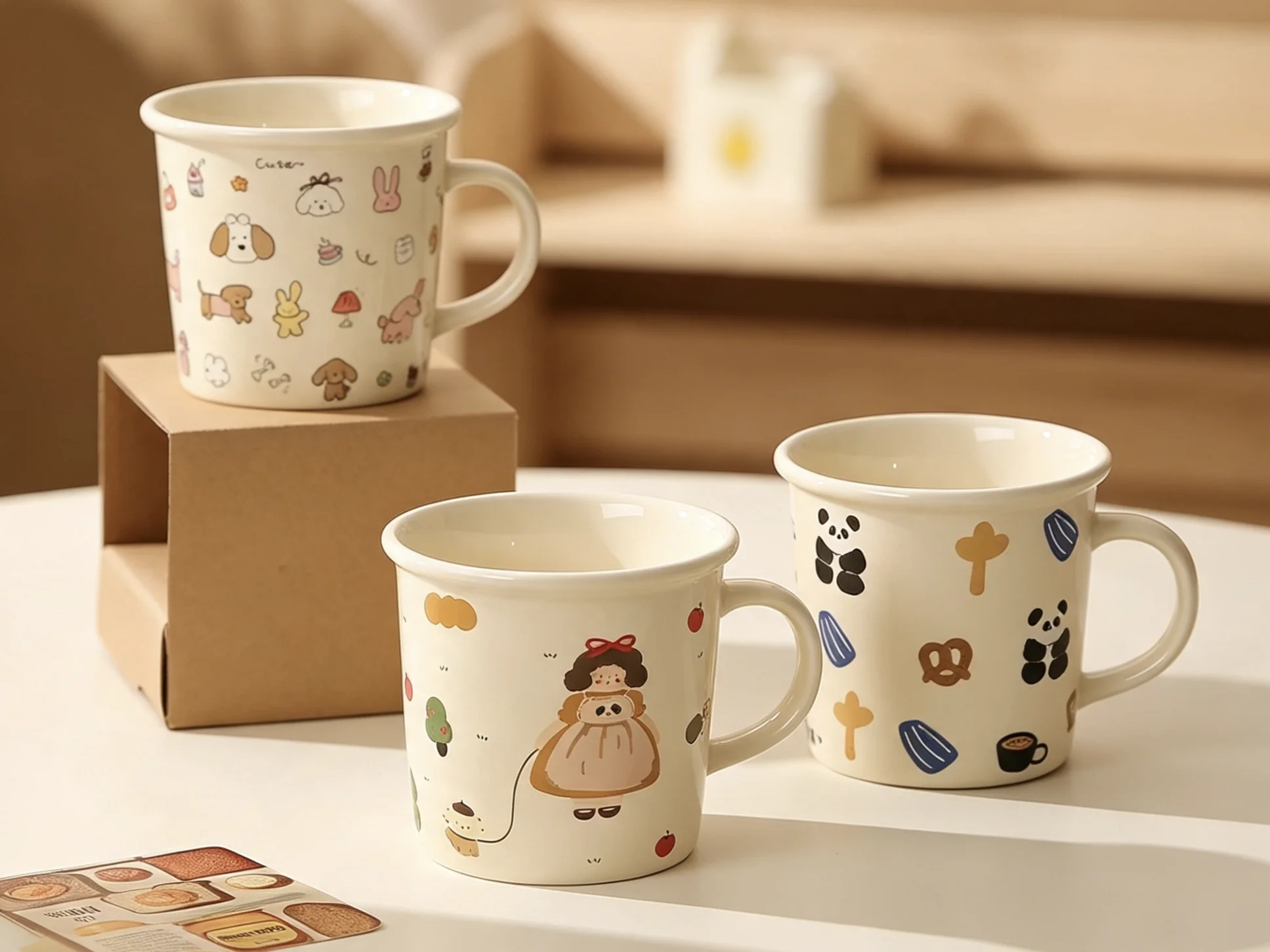
Ceramic mugs are often glazed. The glaze is essentially glass—smooth and non-porous. Without a coating, UV ink will scratch off. Apply a ceramic coating or primer before printing. Some mugs come pre-coated from the supplier. If not, apply the coating yourself. White ink is needed for dark or colored mugs. Varnish adds protection. Test with a wash test before committing to a large order.
Printing on Different Cup Materials – Plastic
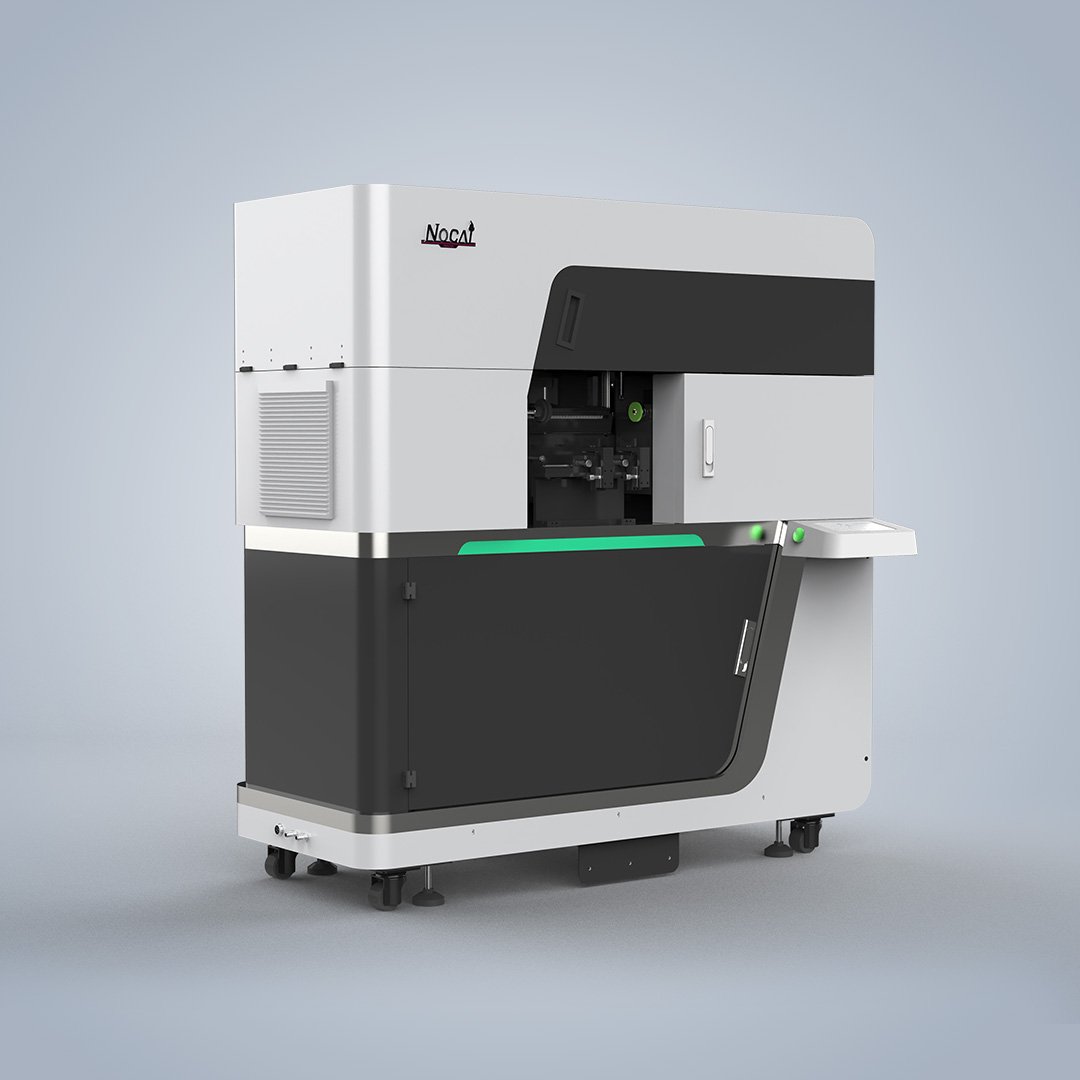
Plastic is not one material—it is many. PP and PE have very low surface energy and are the hardest to print on. They often require flame treatment, plasma treatment, or a special primer. PET and acrylic are more forgiving. For flexible plastics, use flexible UV ink to prevent cracking. Always test the specific plastic you plan to use. A cylindrical UV printer handles the rotation, but the ink and preparation must match the material. Understanding these differences is key to successful material-specific printing.
Universal Tips
Clean every cup before printing. Handle with gloves to avoid oils. Run a test print on each new material or supplier batch. Check adhesion with a scratch test and a wash test. Keep humidity between 40% and 60% to prevent ink drying in the nozzles. A professional UV printer supplier can help you match the right ink and primer to your material. Mastering these substrates starts with testing.
For more information on UV ink adhesion standards, visit ASTM.org.